These benefits don’t depend on proving the driver was at fault. They may help with early medical bills and part of your lost income while the rest of the claim is built.
CHARLESTOWN PEDESTRIAN ACCIDENT LAWYER
A pedestrian hit by a car may get no-fault medical benefits.
- No fee unless we win
- Same-day response
- Free case review
As Seen On:










A Charlestown pedestrian accident lawyer works on proof, not on blame.
Few crashes are as one-sided as a car striking a person on foot. There is no steel, no airbag and no second chance, so an impact that would dent a bumper can cause broken bones, internal injuries, or serious harm to the head or spine. The law gives a person on foot real protection, though, and after a crash the question is rarely whether the driver had to yield. It is how to prove the driver failed to, and how to make the insurance pay for the harm.
That is where these cases are decided. Getting paid properly after being struck, for the medical care, the income lost while you are off work, and the pain and lasting disruption a serious injury causes, takes an early command of who had to give way, and a firm answer to an insurer that will try to blame the person who was walking.
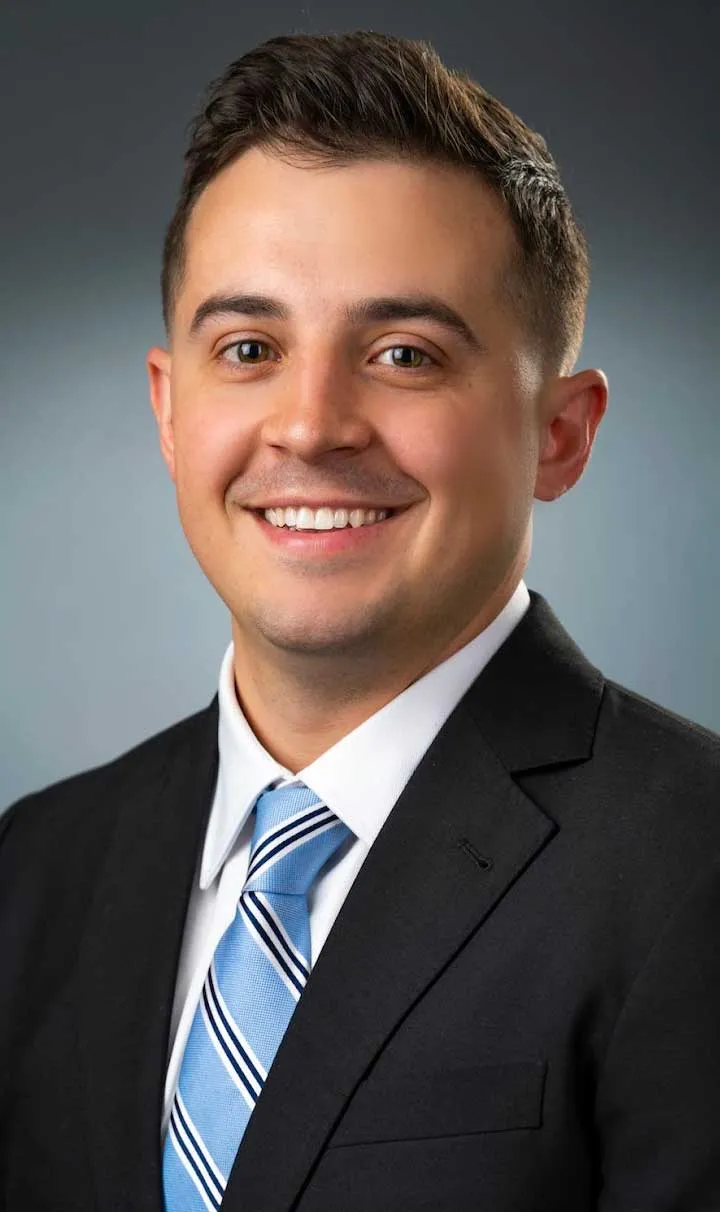
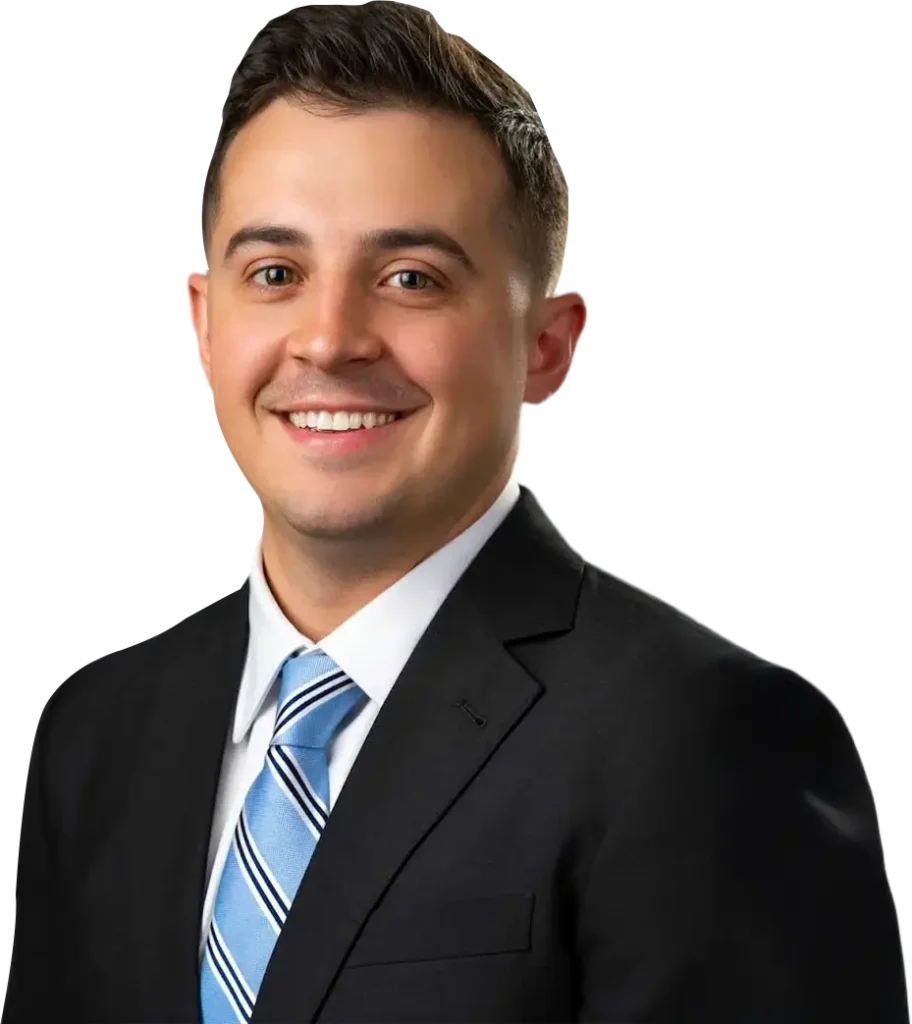
Each of these matters is guided personally by Daniel J. Larson, whose credentials are on his profile. From the first call you deal directly with a lawyer who will explain, in plain terms, how a claim like this works, what cover applies even though you were on foot and not in any vehicle, and what to do and avoid while the case is open.
One fact surprises most people, and it works in the injured person’s favor. Someone struck by a car is covered by that car’s own insurance for the first medical bills and part of any lost earnings, whoever was at fault. That cover reaches you whether you were crossing, stepping off a curb, or standing still when the car arrived. A person on foot is not left without cover simply because they were not in a vehicle, and opening that cover quickly is one of the first steps in the case. Most people never learn it exists until someone tells them, and by then the bills have already started arriving.
None of that is what the injured person feels in the moment. They feel the pain, the missed income, and the unfairness of an insurer suggesting they stepped out carelessly. Turning a crash into a fully documented, fairly valued claim, and dealing with the insurer so the injured person does not have to, is exactly what a lawyer is for, and why early advice matters so much.
One costly misunderstanding is that being outside a crossing ends the claim. It does not. A driver has to watch for people on foot everywhere, and someone who carries part of the blame can still be paid. An insurer that treats where you were standing as the end of the matter is doing exactly what a lawyer is there to challenge.
Another is that a claim is about argument and blame. In practice it is about proof. The crossing markings, the signal timing, the point of impact, the driver’s own account, and any camera footage. When that record is built early and read correctly, most claims resolve through negotiation, and the injured person is left to concentrate on getting better rather than on defending the simple act of crossing a road.
It also helps to understand where the money comes from. The vehicle that struck you pays the first bills through its own cover. The claim against the driver at fault covers the full harm of a serious injury. If the driver left the scene or had no insurance, the cover you hold yourself can step in. Identifying every one of those layers, and the order in which they apply, is often what determines whether a serious injury is fully paid for, and it is the same method we bring to the rest of our injury work.
What our clients say
Jeffrey K.
★★★★★
Attorney Larson or Dan as I refer to him now is a phenomenal lawyer who has turned into a friend. He is knowledgeable, smart, extremely thorough and aggressive. He knows the law and delivers fantastic results in a timely fashion. I consider him a great partner and someone I always want to have in my court/corner when I need legal guidance, and support.
Samantha N.
★★★★★
I can’t say enough wonderful things about Dan and his personal injury firm. I’ve seen firsthand how dedicated, knowledgeable, and compassionate he is. Dan is the type of car accident attorney who truly goes above and beyond—he communicates clearly, fights hard for his clients, and genuinely cares about getting them the best possible results.
Jamal B.
★★★★★
Dan and the whole team at Larson Law were super helpful and informative, they were able to walk me through the whole process of my case and they did everything to make sure that I received proper compensation for the incident that happened to me. And I am glad to say that I am very satisfied with the services provided to me by Larson Law. Great team!
Megan A.
★★★★★
Dan was amazing to work with after my car accident. He kept me updated the whole time, explained everything clearly, and always responded quickly. Great communication and a great outcome—highly recommend!
Johnny M.
★★★★★
Dan helped me with a car accident and it was so easy and he is very communicative and reallly helps you out with all he can! Thanks again Dan!
Sina A.
★★★★★
Dan is the Man. He helped me recover from my car accident and the communication and whole process was smooth sailing. Thank you Dan. God speed.
Lee L.
★★★★★
Attorney Larson of Larson Law Did a great job with my case.. I was in a auto accident in 2024 Attorney Larson took my personal injury case and in 2025 I received a maximum payout. Anytime I had a question or concern he was always available.

Nobody here asks you to account for walking.
- We use the crosswalk and right-of-way laws to fix responsibility on the driver who failed to yield.
- We open the striking vehicle’s PIP and every other coverage, so your care and lost wages are paid from the start.
- We move fast to preserve the signal timing, the crosswalk markings, and any camera footage before they change.
- We document the full injury with your treating doctors, so a serious pedestrian crash is never written off as minor.
- We deal with the driver’s insurer and its adjusters, so you are not fighting them while you heal.
- No fee unless we win
- Free, private case review
- Same-day response
- Honest advice from day one


The law gives a person on foot more than most expect.
The protection a person on foot gets does not come from one rule. It comes from several, applied in a set order, and knowing that order is much of what a lawyer adds to one of these cases.
The first rule pays the earliest bills. The insurance on the car that struck you covers a person on foot for reasonable medical costs and part of any lost earnings, up to a set limit, and it does so whoever was to blame. Being on foot is not the disadvantage people assume. Someone hit while walking is not left paying for early treatment out of their own pocket, and opening that cover quickly is one of the first steps in protecting the claim.
The second rule sets the driver’s duty, and it is stricter than most drivers realize. A driver has to slow or stop for someone in a marked crossing, and must not pass a vehicle that has already stopped for a person crossing. Where someone is hurt in a crossing, the police have to look into the cause. That duty is what establishes fault, and a driver who broke it is in serious difficulty from the start.
The third rule decides whether the case reaches the driver for the whole of the harm rather than just the early bills. It opens once medical costs pass a set level, and it opens immediately where the injury involves a broken bone, lasting and serious scarring, or the loss of a limb, of sight or of hearing. Someone struck by a car is almost always hurt badly enough to pass that point, which puts the full claim, including the pain and lasting disruption, within reach.
The fourth rule covers partial blame, and it worries people more than it should. You can still be paid as long as you were not more than half responsible, with whatever you receive reduced by your share. Insurers routinely argue that the person darted out or crossed carelessly, so answering that with the crossing evidence, the sight lines and what witnesses actually saw is frequently the difference between a claim paid in full and one paid at a discount.
Timing sits over all of it. A claim like this generally has to be brought within three years, and a claim involving a bus, a train or another publicly run vehicle carries a far shorter window for putting the responsible body on notice. The practical deadline is shorter still. The signal timing, the markings and any camera footage disappear far sooner than the legal deadline does, so a careful accounting of every present and future cost begins the moment the file opens.
Those four work together in that order. The car’s own cover opens the file and pays the first bills. The driver’s duty establishes fault. The third rule decides whether the case reaches the driver for everything. Partial blame then sets how much of that survives a defense built on blaming the person who was walking. A serious case is won by moving correctly through all of them while the evidence is still fresh.
The injury itself drives the rest. Because a person on foot is unprotected, these crashes tend to produce lasting damage, broken bones, internal harm, and injury to the head or spine, all of which plainly support a full claim. Proving what those injuries will cost in the years ahead, with the treating doctors and sometimes a specialist brought in to give an opinion, is what keeps a life-changing injury from being settled for a fraction of its worth.
Cameras and signals at the crossing show who was at fault.
People on foot are struck where a walking neighborhood meets fast traffic. Squares and ramps that feed a bridge or a highway push traffic at speed straight across local crossings. Wide approach roads carry heavy commuter volume through busy junctions. Older shopping streets mix residents, students and visitors with turning vehicles. Add the steady foot traffic around a landmark, and the school run twice a day, and the pattern is set. None of it is unusual, which is part of the problem. A driver who takes the same turn every day stops seeing the people who cross it.
Where it happened shapes both the evidence and the response. A crash on a road near a highway or a bridge approach may bring a state-level response. A collision in a marked crossing on an ordinary street brings a city response, along with the investigation the law requires whenever someone on foot is hurt in a crossing. Knowing which force attends, what signal and camera records that creates, and how quickly footage is written over is part of building a claim on evidence rather than assumption, and it directly affects the income a serious injury costs you while you cannot work.
The setting points toward the fault and the proof just as clearly. A driver turning across a crossing, a vehicle passing another that had already stopped for someone walking, and a distracted driver near a school each raise different questions about who failed to yield and about how far the injury carries the claim. Matching the investigation to how the crash actually happened is what separates a claim paid fairly from one an insurer discounts by blaming the person on foot.
The details of the crossing usually decide a disputed claim. The markings, the signal timing, the point of impact, the driver’s sight lines, and any traffic or business camera footage together establish who had the right of way. Gathering that record early, before signals are retimed and footage is lost, is frequently what defeats a driver’s claim that the person came out of nowhere. Signal timings in particular are changed without notice, and once a cycle has been altered the old one cannot be recovered.
The shape of a neighborhood concentrates certain kinds of crash. A commuter rush through squares and along wide approach roads produces turning and failure-to-yield collisions. Crossings near schools and colleges produce injuries to children and students. Tourist streets bring distracted and unfamiliar drivers into crowded crossings. Reading which pattern a crash fits helps identify the fault, the cover that applies, and the evidence that will decide it.
A single record can settle a disputed claim on its own. A traffic camera at a ramp, a business camera on a main approach, or a witness who saw the driver fail to stop can establish exactly how the collision happened. Because that evidence is often lost within days, moving quickly to preserve it is one of the most valuable early steps a hurt person can take.
The real cost shows up over months, not days.
A serious pedestrian crash reaches far past the first hospital visit. A full claim has to account for the emergency and trauma care, the surgery and rehabilitation that follow, the income lost while you cannot work, and the pain and lasting disability a crash leaves behind. The insurance on the car that struck you covers the first slice of those bills, but the larger cost is carried by the claim against the driver at fault, and that figure is what an insurer works hardest to keep down.
The stakes are highest with the injuries these crashes cause. Serious fractures, internal injuries, and head or spinal damage from being struck and thrown. The gap between an insurer’s first offer and what the injury will actually cost can be enormous. Closing it takes the medical record, the treating doctors, and often a specialist brought in to give an opinion. Whether further surgery will be needed and what a lasting effect is worth turn on that evidence, and on answering an insurer’s own doctor when they try to minimize the injury.
Facing the driver’s insurer alone is not a fair contest. The people handling these claims do it every day, and they are practiced at blaming the person who was walking, at making an early low offer, and at taking a recorded statement that locks that blame in before the full injury is known.
Acting early protects the whole case. The sooner the injury is documented and the crossing and camera evidence is preserved, the harder it is for an insurer to lock in a low number. Because payment can depend on stacking the driver’s cover together with the cover on the car that struck you, and, where the driver left the scene, on the cover you hold yourself, identifying every policy that applies is essential.
These injuries reveal their true cost slowly, over months of treatment and missed work, so a claim measured only by the first bills understates the harm. None of it is something an injured person should manage alone while trying to heal. A private conversation at the start can explain what the claim involves and what it may realistically be worth, and fees are taken as a share of what comes in at the end, set out in plain terms before anything is signed.
Emergency and Trauma Care
Lost Income and Earning Capacity
Pain, Suffering, and Disability
Related Out-of-Pocket Costs
Do these three things before the evidence goes.
Get medical care and a scene report
Get examined right away, because internal and head injuries can be worse than they first appear, and make sure the police document the crash, especially if you were in a clearly marked crosswalk here.
Do not accept the blame they assign
Report the crash and give police your account, but give no recorded statement to the driver's insurer, and do not accept the suggestion that you were at fault before the crossing evidence is gathered.
Get advice before you sign anything
A quick offer rarely reflects a serious pedestrian injury, and accepting it closes the claim for good, so before you sign a release or give any statement, one free review shows what it is truly worth.
- 5.0 stars out of 100+ reviews
The offer usually arrives before the advice does.
Most people call after an offer has already landed, which is the hardest possible moment to judge one. Call before that and the conversation is a simpler one. We look at what the crossing recorded, at what the driver’s insurer has already written into its file, and at what your treatment is likely to run to over the next year. From there you will know whether the number in front of you is close to right or nowhere near it, and you will know it before you have agreed to anything.
By submitting this form, you acknowledge that doing so does not create an attorney-client relationship. Please do not include confidential information. Contacting us does not obligate you to retain our services.
Our Clients.


Our Practice Areas.
Larson Law helps injured people and families across Massachusetts after a serious accident. If you were hurt by someone else’s carelessness in Boston, we are ready to listen and explain your options at no cost.
Almost everyone starts by asking whether it was their fault.
Do I have any coverage if I was on foot?
Yes. Under the Massachusetts no-fault system, a pedestrian struck by a car is covered by that car’s personal injury protection, which pays your first medical bills and part of your lost wages regardless of fault. A serious injury also opens a full claim against the at-fault driver for the rest of the harm.
What if I was not in a crosswalk?
You can still recover. A driver has a duty to watch for and avoid pedestrians everywhere, not only in crosswalks, and Massachusetts comparative negligence lets you recover even if you shared some blame, as long as you were not more than half at fault. Location is one factor, not the end of the case.
The driver says I stepped out suddenly. How do you answer that?
With the evidence. The crosswalk markings, the signal timing, the point of impact, the driver’s sight lines, and any camera footage together show who had the right of way. Gathering that record before the scene changes is what defeats the claim that you “came out of nowhere.”
What if the driver who hit me fled the scene?
You are not out of options. In a hit-and-run, your own uninsured-motorist coverage can step in, and a resident relative’s policy sometimes applies as well. Identifying every available coverage, and pressing the police investigation the law requires in a crosswalk case, is part of what we do.
How long do I have to file a pedestrian accident claim?
A pedestrian-injury claim generally must be filed within three years, and a claim against a city or state vehicle carries a much shorter notice deadline. The practical deadline is sooner, because signal and camera evidence fade within days, so acting quickly protects both the claim and the proof.
I was hit near a school or the Navy Yard. Does that matter?
It can. Crossings near schools, the Community College, and the tourist streets around the Navy Yard bring their own patterns of distracted and turning drivers, and often more cameras and witnesses. The setting helps establish the driver’s fault, but your right to recover comes from the failure to yield, not the location.
Does the crosswalk law help my case?
Yes. Massachusetts requires drivers to slow or stop for pedestrians in a marked crosswalk and to refrain from passing a vehicle stopped for one, and it requires a police investigation when a pedestrian is injured in a crosswalk. A violation is strong evidence of the driver’s fault.
The insurer offered a fast settlement. Should I take it?
Be careful. Pedestrian injuries are often serious and their full cost is not clear early, yet insurers make a quick, low offer that closes the claim for good. A free review of the offer against your actual and future losses shows whether it is anywhere near fair before you sign anything.
Where are Charlestown pedestrian accident cases handled?
Charlestown is in Suffolk County, so most cases are handled in the Suffolk County courts, with smaller claims in the Boston Municipal Court’s Charlestown Division and larger ones in Superior Court. Many resolve through insurance negotiation without a filing. Where a case belongs depends on its size and complexity.
What is my pedestrian accident claim worth?
It depends on the severity and permanence of your injuries, not on an insurer’s first offer. A fair value accounts for emergency and future care, lost income and earning power, and the pain and disability a serious crash causes. Because pedestrians are unprotected, these injuries are often severe and clearly compensable.
Do I need a lawyer for a pedestrian accident claim?
For a serious injury, almost always. The mix of no-fault benefits, the right-of-way rules, and the multiple coverages is easy to get wrong, and the insurer starts building a blame-the-pedestrian defense at once. Your own advocate proves the driver’s fault, opens every coverage, and lets you focus on healing.
What does hiring you cost?
Nothing upfront. These cases are handled on a contingency fee, so you owe no attorney fee unless we recover for you, and the first consultation is free. That lets you pursue the full value of your claim, and stand up to a defense that blames you, without any financial risk of your own.