
CHARLESTOWN UBER ACCIDENT LAWYER
You trusted the ride.
Now hold them to it.
In an Uber or Lyft crash you had no control and coverage is layered by an app status you cannot see. Larson Law reaches the right policy and pursues the full cost of your injuries.
- No fee unless we win
- Same-day response
- Free case review
As Seen On:











What a Charlestown Uber accident claim involves
A rideshare crash puts you at the mercy of decisions you never made. As a passenger you chose the trip but not the driving, and as another driver or a pedestrian you may not even have known an Uber or Lyft was involved. What makes these cases different from an ordinary car crash is the insurance: a rideshare driver is covered by a stack of policies that turn on and off with the app, and which one applies at the moment of the crash can change the value of the claim entirely.
That is where these cases are decided. Getting full compensation after a rideshare crash, the medical care, the lost income, and the pain and lasting disruption a serious injury causes, takes an early, precise read of the driver’s app status and a firm push to reach the company’s large commercial coverage. Our firm does that work, the same way we handle the wider Boston personal injury attorney practice, through our Boston rideshare accident lawyer team, and just up the road as a Cambridge Uber accident lawyer.
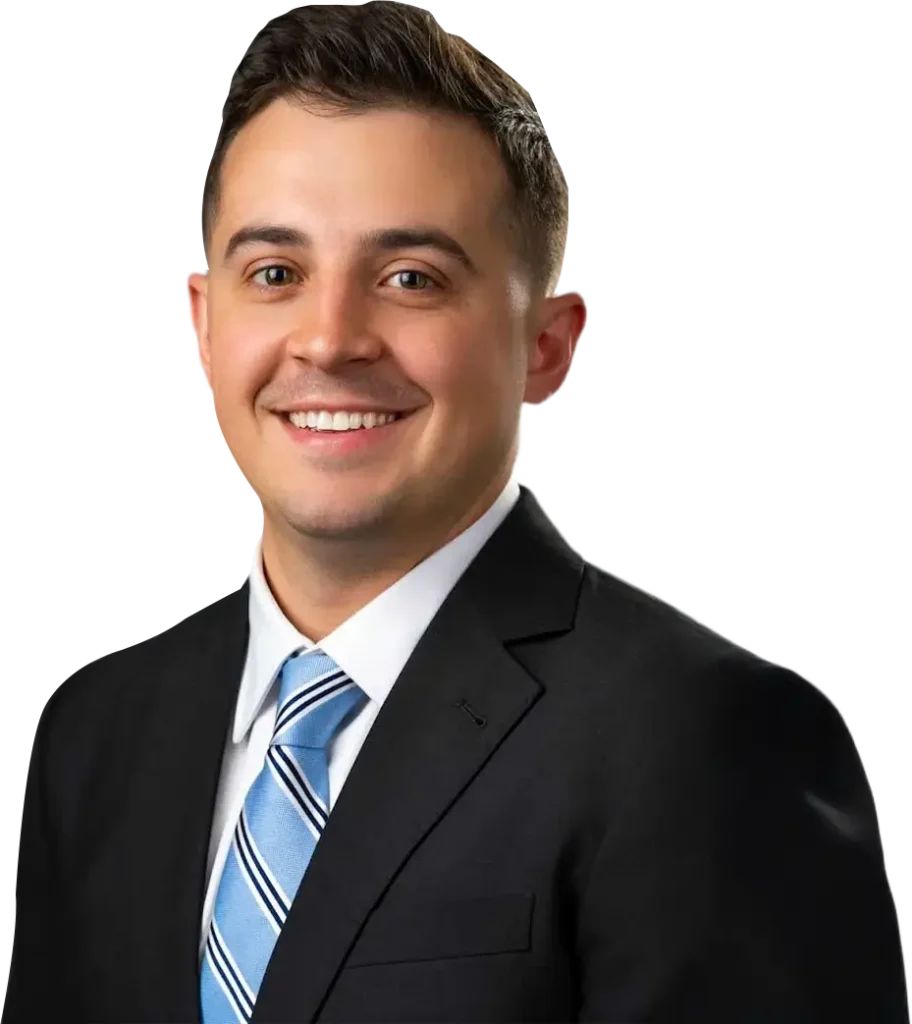
Your rideshare case is in the hands of Daniel J. Larson from the very first call. From the first call you deal directly with a lawyer who will explain, in plain terms, how a Massachusetts rideshare claim works, which policy should pay, and what to do and avoid while the case is open.
The defining question in a rideshare case is the driver’s status when the crash happened. If the app was off, only the driver’s personal policy applies. If the driver was logged in and waiting for a ride, a limited company policy applies. If the driver was on the way to a rider or carrying one, the company’s large commercial coverage applies. Pinning that status down, through the app and trip records, is the first and most important step, because it decides how much coverage is available.
None of that is what the injured person feels in the moment. They feel the pain, the missed income, and the confusion of a crash where the responsible company is a technology platform and the driver is called an independent contractor. The job of turning a crash into a fully documented, fairly valued claim, and of reaching the right insurer, is exactly what a lawyer is for, and why early advice matters so much.
One costly misunderstanding is that the rideshare company will simply take care of a passenger it was carrying. It will not volunteer to. Its insurer, like any other, works to limit what it pays, and it benefits when the app records are not preserved and the app status is left unclear. Recognizing that the friendly platform and its insurer are not on your side is the first step to protecting what you are owed.
Another misunderstanding is that a claim is about argument and blame. In practice it is about proof: the trip and app records, the point of impact, the driver’s account, the other vehicles involved, and any camera footage. When that record is built early and read correctly, most claims resolve through negotiation, and the injured person is freed to focus on healing rather than untangling coverage.
It also helps to understand how the layers fit together. The no-fault benefits on the vehicle pay the first bills; the correct rideshare policy, personal, contingent, or full commercial, covers the harm for a serious injury; and your own coverage can backstop an uninsured driver. Identifying every one of those layers, and which one the app status triggers, is often what determines whether a serious injury is fully covered.
What our clients say

The coverage hides in the app. We find it.
- We pin down the driver’s app status at the moment of the crash, because it decides which insurance layer applies.
- We reach the company’s large commercial coverage when it applies, not just the driver’s personal policy.
- We move fast to preserve the trip and app records before they are overwritten.
- We document the full injury with your treating doctors, so a serious rideshare crash is never written off as minor.
- We deal with the rideshare company and its insurer, so you are not fighting a platform while you heal.
- No fee unless we win
- Free, private case review
- Same-day response
- Honest advice from day one
$300K+ Won For Clients
100+ 5-Star Google Reviews
8+ Years of Legal Expertise
98% Legal Success Rate
100+ Injured Victims Helped
No Win, No Fee Guaranteed
How Massachusetts law handles a rideshare crash
No-fault benefits pay first
Under G.L. c. 90, § 34M, the personal injury protection on the vehicle pays reasonable medical bills and part of any lost wages regardless of fault, generally up to $8,000, and it reaches passengers as well as pedestrians struck by the car. This matters because it means a rideshare passenger’s early care is covered from the start, and opening that no-fault coverage quickly is one of the first steps in the claim.
Rideshare coverage comes in layers
Under G.L. c. 159A½, § 2, Massachusetts regulates transportation network companies like Uber and Lyft and requires them to carry insurance that changes with the driver’s status, from a limited policy while waiting for a ride to a large commercial policy while a rider is being carried. This matters because the driver’s exact app status decides which layer applies, and the trip records that prove it are controlled by the company and must be preserved quickly.
When you can pursue full damages
Under G.L. c. 231, § 6D, you may pursue the at-fault party for pain and suffering once your reasonable medical expenses exceed $2,000, or immediately if the injury involves a fracture, permanent and serious disfigurement, or the loss of a body member, sight, or hearing. This matters because a serious rideshare crash usually clears that threshold, opening the full tort claim beyond the no-fault benefits and reaching the applicable rideshare policy.
Sharing some blame does not end your claim
Under G.L. c. 231, § 85, Massachusetts comparative negligence lets you recover as long as you were not more than half at fault, with any award reduced by your share. This matters because a rideshare crash can involve more than one driver and a dispute over who caused it, and answering that with the trip data, the physical evidence, and witness accounts is frequently the difference between a full recovery and a discounted one.
Finally, timing is fixed by statute. Under G.L. c. 260, § 2A, a rideshare-injury claim generally must be brought within three years, and a claim against a public vehicle carries a much shorter notice deadline. Because the app and trip records that prove which coverage applies can be overwritten far sooner, the practical deadline for protecting the case is measured in weeks, and a careful accounting of every present and future cost begins the moment the file opens.
These rules work together, and knowing how they apply to a rideshare is much of the value a lawyer adds. No-fault opens the file and pays the first bills; the transportation-network rules determine which insurance layer the driver’s app status triggers; the tort threshold decides whether the case reaches full damages; and comparative fault sets how much of that recovery survives a dispute among drivers. A serious rideshare case is won by fixing the app status early and reaching the correct policy.
It is also worth understanding what the layered coverage means in practice. When the company’s full commercial policy applies, there is often substantial coverage available for a serious injury, far more than a private driver carries, but only if the records establish that the driver was en route to or carrying a rider. Securing those records, and proving the status, is frequently what unlocks the full value of a rideshare claim.
Where Charlestown rideshare crashes happen
Charlestown generates a steady stream of rideshare trips, and its Uber and Lyft crashes follow that traffic. Pickups and drop-offs cluster at the Navy Yard and the Bunker Hill Monument for visitors, around Community College and the Warren Street corridor in the evenings, and along Main Street and City Square, where drivers stop and pull back into traffic. The approaches to the Tobin Bridge, I-93, and the Zakim carry rideshare vehicles in and out of the neighborhood at speed, and the late-night trips that rideshares specialize in add their own risks.
Location shapes the evidence and the response. A crash on I-93 or the bridge approaches may bring the State Police, while a collision on a local Charlestown street brings the Boston Police, District A-15, and any nearby business or traffic cameras. Knowing which agency responds, what records exist, and how quickly a rideshare company’s app data can be requested and preserved is part of building a claim on evidence rather than assumption, and it directly affects the income a serious injury costs you while you cannot work.
The setting also points toward the coverage and the defendant. A passenger hurt when their driver was rear-ended, a pedestrian struck at a Navy Yard drop-off, and another driver hit by a rideshare car merging at City Square each raise different questions about who was at fault, which app-status coverage applies, and whether the injury crosses the tort threshold into a full claim. Matching the investigation to how the crash actually happened is what separates a claim paid fairly from one an insurer resolves for far less.
What the trip records prove
The digital record a rideshare leaves behind usually decides the coverage question. The trip and app data show whether the driver was offline, waiting, or carrying a rider, and the point of impact, the vehicle positions, and any camera footage show how the crash happened. Securing that record early, before it is overwritten, is frequently what establishes the large commercial policy and defeats an insurer’s attempt to point to a smaller one.
The neighborhood’s geography also concentrates certain kinds of crashes. The pickups and drop-offs at the Navy Yard and along Warren Street produce stopping and pedestrian conflicts; the merges at City Square and onto the bridges produce lane-change and rear-end collisions; and the late-night trips bring their own patterns of risk. Reading which pattern a crash fits helps identify the fault, the coverage layer, and the evidence that will decide it.
Even a single record can settle a disputed Charlestown rideshare crash: a traffic camera at a City Square ramp, a business camera on Main Street, or the trip data itself can establish both how the crash happened and which coverage applies. Because that evidence is often lost within days, and the company controls the app data, moving quickly to preserve it is one of the most valuable early steps a hurt person can take.
What a rideshare crash can cost you
A serious rideshare crash reaches far past the first hospital visit. A full claim accounts for the emergency and ongoing care, the surgery and rehabilitation a serious injury can require, the income lost while you cannot work, and the pain and lasting disruption the crash leaves behind. Massachusetts no-fault PIP covers the first slice of the medical bills and a portion of lost wages, but for a serious injury the larger cost is carried by the applicable rideshare policy, and a full and careful accounting of everything you are owed is exactly what the company’s insurer works hardest to minimize.
The stakes are highest with the injuries a serious rideshare crash can cause, fractures, spinal injuries, and head injuries from a high-speed impact. In those cases the gap between an insurer’s first offer and what the injury will actually cost, in future treatment and lost earning power, can be enormous, and proving that full value takes the medical record, the treating physicians, and often expert testimony. That work is what keeps a life-altering injury from being settled for a fraction of its worth, especially when the large commercial policy is in play.
None of this is something an injured person should manage alone while trying to heal. A free, private conversation can explain what your claim may involve, which coverage layer applies, and what the case may be worth, so your decisions are informed rather than rushed. Because these cases are handled on a contingency fee, that guidance comes with no upfront cost.
Facing a rideshare company and its insurer alone is not a fair contest. Its adjusters handle these claims constantly and are practiced at leaving the app status unclear, making an early low offer, and taking a recorded statement that locks in a version of events before the full injury is known. A lawyer who fixes the coverage, documents the harm, and stands firm is what levels the field, and where a crash proves fatal, we can explain what the loss entitles a family to recover.
The value of getting the medical picture right cannot be overstated, because the injury’s severity and permanence drive a rideshare claim. Whether the injury will need future surgery, how long the recovery will take, and what a lasting effect is worth all turn on the treating and examining physicians. Making sure that record is complete, and answering an insurer’s doctor who tries to minimize the injury, is central to protecting the claim.
Acting early protects the whole case. The sooner the injury is documented, the sooner the app and trip records are preserved, and the sooner a lawyer can establish the coverage and keep the insurer from locking in a low number, the better the outcome tends to be. For a serious injury with lasting effects, that early, informed handling is often what secures the full, long-term value the case holds, and it costs nothing to start.
Because a rideshare crash can involve the rideshare driver, another driver, and more than one policy, combining every available coverage can be the difference between a capped result and a full one. We trace each responsible party and each layer, because a serious injury should not be limited to the smallest policy an insurer would prefer to apply.
It is also worth knowing that a rideshare case can turn on records the injured person never sees, the internal trip logs, the driver’s history on the platform, and the exact second the app changed status, and reaching that material often requires formal legal demands. We know what to ask for and how to compel it, so the coverage question is decided by the record rather than by the insurer’s word.
Emergency and Ongoing Medical Care
Lost Income and Earning Capacity
Pain, Suffering, and Disruption
Related Out-of-Pocket Costs
Three steps to protect your rideshare crash claim
Get medical care and a crash record
Get examined right away, because crash injuries can worsen over the following days, and make sure police document the crash. Note the rideshare company and save the trip, then photograph the vehicles.
Preserve the trips and app receipts
The driver's app status sets which coverage applies, so save your trip receipt and app record, and note whether you were a rider, another driver, or a pedestrian. Report the crash without a statement.
Speak with a lawyer before settling
A rideshare claim turns on coverage layers most people cannot see, and a quick low offer rarely reflects a serious injury, so before you sign a release, a free review reaches the right policy for you.
- 5.0 stars out of 100+ reviews
Talk to a Charlestown Uber accident lawyer before you settle
If an Uber or Lyft crash hurt you in Charlestown, the coverage that should pay depends on details in the app that the company controls, which makes early action all the more important. Talk with our team, or with our Boston personal injury attorney office, for a free and private review of what happened and what your claim may be worth, and let us reach the right policy and handle the insurer while you focus on getting better.
By submitting this form, you acknowledge that doing so does not create an attorney-client relationship. Please do not include confidential information. Contacting us does not obligate you to retain our services.
Our Clients.


Our Practice Areas.
Larson Law helps injured people and families across Massachusetts after a serious accident. If you were hurt by someone else’s carelessness in Boston, we are ready to listen and explain your options at no cost.
Charlestown Uber accident questions, answered
Which insurance pays after an Uber or Lyft crash?
It depends on the driver’s app status. If the app was off, only the driver’s personal policy applies; if the driver was logged in and waiting, a limited company policy applies; and if the driver was en route to or carrying a rider, the company’s large commercial coverage applies. Establishing that status is the key first step.
I was a passenger. What are my rights?
As a passenger you are almost never at fault, and you can pursue whichever driver caused the crash, along with the applicable rideshare coverage. The vehicle’s no-fault benefits pay your first bills, and a serious injury opens a full claim, often against the company’s large commercial policy.
How do you prove the driver’s app status?
With the trip and app records. The rideshare company’s data shows whether the driver was offline, waiting, or carrying a rider at the moment of the crash. Because the company controls that data and it can be overwritten, a prompt demand to preserve it is central to establishing the right coverage.
What if I was another driver hit by an Uber?
You can pursue the rideshare driver and the coverage their app status triggers, just as you would any at-fault driver, and your own no-fault benefits pay your first bills. The key difference is the layered coverage, so identifying the app status and reaching the correct policy is essential.
How long do I have to file a rideshare accident claim?
A rideshare-injury claim generally must be filed within three years, and a claim against a public vehicle carries a much shorter notice deadline. The practical deadline is sooner, because app and trip data can be overwritten within days, so acting quickly protects both the claim and the proof of coverage.
I was picked up or dropped off near the Navy Yard. Does that matter?
It can. Busy pickup and drop-off points like the Navy Yard and Warren Street produce their own patterns of stopping and pedestrian crashes, and often more cameras and witnesses. The setting helps establish how the crash happened, but your right to recover comes from the fault and the coverage, not the location.
The company’s insurer offered a fast settlement. Should I take it?
Be careful. Rideshare insurers often make a quick, low offer before the full injury is known and before the app status is pinned down, and accepting it closes the claim for good. A free review of the offer against your actual and future losses shows whether it is anywhere near fair.
What if the at-fault driver had no insurance?
Your own uninsured-motorist coverage can step in, and depending on the app status, the rideshare company’s uninsured coverage may apply as well. Identifying every available policy, including the rideshare layers, is part of what we do so that an uninsured driver does not leave you without recovery.
Where are Charlestown rideshare accident cases handled?
Charlestown is in Suffolk County, so most cases are handled in the Suffolk County courts, with smaller claims in the Boston Municipal Court’s Charlestown Division and larger ones in Superior Court. Many resolve through insurance negotiation without a filing. Where a case belongs depends on its size and complexity.
What is my rideshare accident claim worth?
It depends on the severity and permanence of your injuries and on which coverage layer applies, not on an insurer’s first offer. A fair value accounts for medical care and future treatment, lost income and earning power, and the pain and disruption the crash causes. The large commercial policy often makes full recovery possible.
Do I need a lawyer for a rideshare accident claim?
For a serious injury, almost always. The layered coverage, the app-status question, and the company’s control of the records make these cases harder than a car claim. Your own advocate fixes the coverage, preserves the data, values the claim, and lets you focus on healing.
What does hiring you cost?
Nothing upfront. These cases are handled on a contingency fee, so you owe no attorney fee unless we recover for you, and the first consultation is free. That lets you take on a rideshare company and pursue the full value of your claim without any financial risk of your own.
Results Disclaimer: Past case results, settlements, and verdicts mentioned on this website do not guarantee or predict a similar outcome in any future case. Every case is unique and depends on its own facts and legal issues.