
When the driver who hit you had too little insurance or none, your own uninsured or underinsured coverage may pay part of what is left.
CHARLESTOWN MOTORCYCLE ACCIDENT LAWYER
A motorcycle crash can cost more than the driver's policy covers.
- No fee unless we win
- Same-day response
- Free case review
As Seen On:










A Charlestown motorcycle accident lawyer starts by proving what the driver did.
A motorcycle crash is rarely a fair fight, on the road or afterward. A rider has no steel cage, no airbags and no crumple zone, so the same impact that dents a car can break bones, tear skin, or cause a serious head or spinal injury. Then comes the second unfair fight. An insurance system that too often assumes the motorcyclist was speeding or reckless, when in most cases the crash happened because a driver never saw the bike, turned across it, or changed lanes into it.
That assumption is where these cases are decided. Getting paid properly after a rider crash, for the medical care, the income lost while you are off work, and the pain and permanent scarring a serious wreck causes, takes a careful reconstruction of how the rider was made invisible, and a firm answer to the bias built into the claim before it hardens into the file.
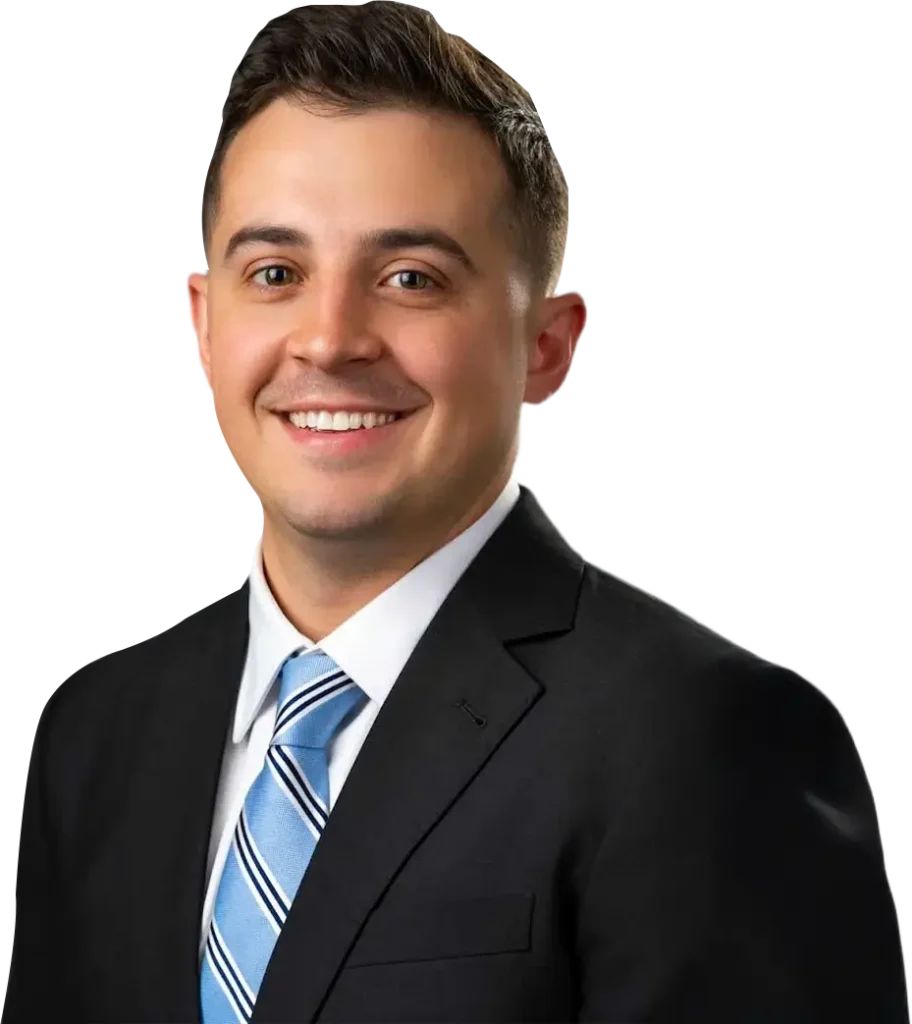
Rider claims here run under Daniel J. Larson, whose background is laid out on his attorney profile. From the first call you deal directly with a lawyer who will explain, in plain terms, how a rider’s claim actually works, why it differs from a claim brought after a crash between two cars, and what to do and avoid while the case is open.
One difference matters more than any other, and most riders do not learn it until they are hurt. Riders sit outside the arrangement that pays a car occupant’s early medical bills automatically. There is no first layer of cover to fall back on, which means that from the very first bill a rider depends on the insurance behind the driver at fault and on the cover the rider bought themselves. Knowing that, and moving quickly to open every available source of payment, is a large part of the work.
None of that is what the injured rider feels in the moment. They feel the pain, the missed income, and the sting of being treated as the reckless one before anyone has looked at the evidence. Turning a crash into a fully documented, fairly valued claim, and pushing back on that bias, is exactly what a lawyer is for, and why early advice matters so much. A rider who is told early what the insurer is likely to try is far harder to push into an unfair settlement, and that alone changes how the claim runs.
One costly misunderstanding is that a helmet or a clean record settles the question of fault. It does not. Fault turns on who had the right of way and who failed to yield, not on the fact that the victim chose to ride. An insurer that leans on the rider’s choice of vehicle rather than on the driver’s conduct is doing exactly what a lawyer is there to stop.
Another is that a claim is about argument and blame. In practice it is about proof. The point of impact, where each vehicle ended up, the sight lines at the junction, the driver’s own account, and any camera footage. When that record is built early and read correctly, most claims resolve through negotiation, and the rider is left to concentrate on getting better rather than on defending a choice to ride.
It also helps to understand where the money actually comes from in a rider’s case. Because there is no automatic first layer, the claim starts with the cover held by the driver at fault, and the crucial backstop is the rider’s own protection against drivers who carry too little or none at all. Identifying every one of those layers, and the order in which they apply, is often what determines whether a serious injury is fully covered or left partly unpaid, and it is the same method we bring to the rest of our injury work.
What our clients say
Jeffrey K.
★★★★★
Attorney Larson or Dan as I refer to him now is a phenomenal lawyer who has turned into a friend. He is knowledgeable, smart, extremely thorough and aggressive. He knows the law and delivers fantastic results in a timely fashion. I consider him a great partner and someone I always want to have in my court/corner when I need legal guidance, and support.
Samantha N.
★★★★★
I can’t say enough wonderful things about Dan and his personal injury firm. I’ve seen firsthand how dedicated, knowledgeable, and compassionate he is. Dan is the type of car accident attorney who truly goes above and beyond—he communicates clearly, fights hard for his clients, and genuinely cares about getting them the best possible results.
Jamal B.
★★★★★
Dan and the whole team at Larson Law were super helpful and informative, they were able to walk me through the whole process of my case and they did everything to make sure that I received proper compensation for the incident that happened to me. And I am glad to say that I am very satisfied with the services provided to me by Larson Law. Great team!
Megan A.
★★★★★
Dan was amazing to work with after my car accident. He kept me updated the whole time, explained everything clearly, and always responded quickly. Great communication and a great outcome—highly recommend!
Johnny M.
★★★★★
Dan helped me with a car accident and it was so easy and he is very communicative and reallly helps you out with all he can! Thanks again Dan!
Sina A.
★★★★★
Dan is the Man. He helped me recover from my car accident and the communication and whole process was smooth sailing. Thank you Dan. God speed.
Lee L.
★★★★★
Attorney Larson of Larson Law Did a great job with my case.. I was in a auto accident in 2024 Attorney Larson took my personal injury case and in 2025 I received a maximum payout. Anytime I had a question or concern he was always available.

You are not the one who has to explain yourself.
- We counter the reflex that riders are reckless and hold the driver who actually caused the crash responsible.
- Because riders have no PIP, we move fast to open every other source of payment for your care and lost income.
- We reconstruct exactly how you were made invisible, the left turn, the lane change, the driver who never looked.
- We document the full injury with your treating doctors, so a serious motorcycle crash is never written off as minor.
- We deal with the driver’s insurer and its adjusters, so you are not fighting them while you heal.
- No fee unless we win
- Free, private case review
- Same-day response
- Honest advice from day one


A rider's claim follows a different set of rules.
The rules that govern a rider’s claim are not the ones that govern a driver’s, and the differences show up immediately. Knowing them, and knowing the order they apply in, is much of what a lawyer adds to a rider’s case.
The first difference is the one riders feel first. When two cars collide, each occupant’s own policy covers the earliest medical bills and some lost earnings automatically, and that cover even reaches someone on foot or on a bicycle who is struck by a car. A motorcyclist is not part of that arrangement and gets none of it. There is no cushion for the early care, so from the very first bill the rider is relying on the insurance behind the driver at fault. That is why prompt and accurate documentation of the injury matters more here than almost anywhere else.
Helmets and equipment are the second. Every rider and passenger has to wear approved head protection, and the machine itself has to meet set standards. Insurers regularly try to turn that requirement against a rider, but falling short of it does not by itself end a claim, and a rider who was properly equipped removes one of the easiest ways for the defense to move attention off the driver who caused the crash.
Being partly to blame is the third, and it worries riders more than it should. A rider can still be paid as long as they were not more than half responsible, with whatever they receive reduced by their share. The defense in these cases leans hard on blaming the rider, so answering that with the physical evidence, the sight lines and what witnesses actually saw is often the difference between a claim paid in full and one paid at a discount.
The fourth is the one that decides whether a serious case is fully covered. Where the driver who hit you had no insurance, or had nowhere near enough for an injury of this size, the cover the rider bought for themselves steps in, and sometimes a policy held by a relative in the same household will too. That matters more for a rider than for a driver, because there is no early cushion and because these injuries tend to be severe.
Timing sits over all of it. A rider’s injury claim generally has to be brought within three years, and a claim involving a bus, a train or another publicly run vehicle carries a far shorter window for putting the responsible body on notice. The practical deadline is shorter still. The evidence that proves a rider’s case, the junction sight lines, where each vehicle came to rest, and any camera footage, disappears within weeks, so a careful accounting of every present and future cost begins the moment the file opens.
Those rules work together in a set order. Because there is no early layer, the case opens directly against the cover held by the driver at fault. The partial-blame rule then sets how much of that survives the inevitable attempt to blame the rider. The rider’s own protection backstops everything when the driver cannot pay in full. A serious case is won by moving correctly through those layers while the evidence is still fresh.
The injury itself drives the rest. Because a rider is unprotected, these crashes tend to produce lasting damage, broken bones, skin injuries that need grafts, and harm to the head or spine, which plainly supports a full claim. Proving what those injuries will cost in the years ahead, with the treating doctors and sometimes a specialist brought in to give an opinion, is what keeps a life-changing injury from being settled for a fraction of its worth.
The kind of road you were on shapes the proof.
Riders are most at risk where fast approach roads meet tight older streets. Wide corridors and rotaries force a bike into heavy merging traffic. Bridge ramps put highway speed next to sudden turns. Narrow streets lined with parked cars hide a rider behind larger vehicles until it is too late. In almost every one of those settings the danger comes from the same place, a driver who does not see the bike. Riders who have ridden the same route for years often know exactly which of these caught them, and that first account is worth recording while it is still sharp.
Where the crash happened shapes both the evidence and the response. A collision on a highway or a bridge usually brings a state-level response and may produce a formal reconstruction. A crash on an ordinary street brings a city response instead, along with whatever nearby business or traffic cameras were running. Knowing which force attends, what records that creates, and how quickly junction footage is written over is part of building a claim on evidence rather than assumption, and it directly affects the income a serious injury costs you while you cannot work.
The type of crash points toward the fault and the proof just as clearly. A driver turning left across an oncoming rider, a lane change made without checking the blind spot, and a door opened into a rider’s path each raise different questions about who failed to yield and about how far the injury carries the claim. Matching the investigation to how the crash actually happened is what separates a claim paid fairly from one an insurer discounts by blaming the rider.
The physical evidence usually decides a disputed rider claim. The point of impact, where the bike and the vehicle came to rest, the driver’s sight lines at the junction, and any traffic or business camera footage together establish who had the right of way. Gathering that record early, before the scene changes and footage is lost, is frequently what defeats a driver’s claim that the rider came out of nowhere. An insurer that gets to the footage first, or that waits until it is gone, is working to a different timetable than you are.
The shape of a neighborhood concentrates certain kinds of crash. A commuter rush across bridges and through squares produces left-turn and lane-change collisions. A rotary produces merge and yield disputes. Residential grids lined with parked cars produce door-zone crashes and riders pulled out in front of. Reading which pattern a crash fits helps identify the fault, the cover that applies, and the evidence that will decide it.
A single record can settle a disputed rider crash on its own. A traffic camera at a ramp, a business camera on a main approach, or an independent witness who saw the driver turn across the rider can establish exactly how the collision happened. Because that evidence is often lost within days, moving quickly to preserve it is one of the most valuable early steps a hurt rider can take.
A rider's costs keep running long after the hospital.
A serious motorcycle crash reaches far past the first hospital visit. A full claim has to account for the emergency and reconstructive care, the surgery and long rehabilitation a serious injury can require, the income lost while you cannot work, and the pain, scarring and lasting disability a crash leaves behind. Because a rider has no automatic cover for even the first bills, the entire cost has to come from the driver at fault and from the cover you hold yourself, and a full and careful accounting of everything you are owed is exactly what an insurer works hardest to keep down.
The stakes are highest with the injuries these crashes so often cause. Serious fractures, skin injuries that need grafts, and head or spinal damage from being thrown. In those cases the gap between an insurer’s first offer and what the injury will actually cost, in later treatment and in lost earning power, can be enormous. Proving that full value takes the medical record, the treating doctors, and often a specialist brought in to give an opinion. That work is what keeps a life-altering injury from being settled for a fraction of its worth.
None of this is something an injured rider should manage alone while trying to heal. A private conversation at the start can explain what the claim is likely to involve, which cover applies when there is no early layer to draw on, and what the case may realistically be worth, so that decisions are made with information rather than under pressure. Fees are taken as a share of what comes in at the end, and the arrangement is set out in plain terms before anything is signed.
Facing the driver’s insurer alone is not a fair contest, and for a rider it is worse. The people handling these claims do it every day. They are practiced at leaning on the assumption that riders are reckless, at making an early low offer, and at taking a recorded statement that locks blame in before the full injury is known. A lawyer who documents the harm, proves the driver’s fault, and refuses to move early is what levels that field. Where a crash proves fatal, we can explain what the law allows a family to claim.
The value of getting the medical picture right cannot be overstated, because how severe the injury is and how permanent it proves to be are what drive a rider’s claim. Whether further surgery will be needed, how long the recovery will run, and what lasting scarring or disability is worth all turn on the treating and examining doctors. Making sure that record is complete, and answering an insurer’s own doctor when they try to minimize the injury, is central to protecting the claim.
Acting early protects the whole case. The sooner the injury is documented, the sooner the junction and vehicle evidence is preserved, and the sooner a lawyer can keep the insurer from locking in a low, rider-blaming number, the better the outcome tends to be. For a serious injury with lasting effects, that early handling is often what secures the full, long-term value the case holds.
Because a rider’s payment so often depends on stacking the driver’s cover together with the rider’s own, identifying every policy that applies is essential. We trace each layer, because a serious injury should never be capped at whatever single policy the driver at fault happened to carry.
Riders also face longer recoveries than an insurer’s early offer assumes, and a claim built only around the first hospital stay almost always falls short. We frame the case around the full arc of the injury, from the first surgery to the lasting limitation it leaves behind.
Emergency and Reconstructive Care
Lost Income and Earning Capacity
Pain, Scarring, and Disability
Motorcycle and Gear Damage
What happens in the first days carries the case.
Get checked and file a crash report
Get examined right away, because head and internal injuries can be worse than they look at first, and make sure the police document the crash. Photograph the bike, the other vehicle, and the road now.
Do not let them pin it on the rider
Report the crash to your own insurer, but give no recorded statement to the driver's insurer, and don't accept the idea that a motorcyclist must have been at fault before all the evidence is gathered.
Get a lawyer before you settle this
A quick offer rarely reflects a serious motorcycle injury and closes the claim for good, so before you sign a release or give a statement, a free review shows what your own case is truly worth to you.
- 5.0 stars out of 100+ reviews
A Charlestown motorcycle accident lawyer should read the offer first.
A rider’s claim is often settled long before anyone knows what the injury will really cost, and once it is signed it cannot be reopened. Before you agree to anything, talk to us about who is responsible, every source of cover that applies when there is no early layer to draw on, and what the injury is realistically worth once the lasting effects are counted. We will prove the driver’s fault and deal with the insurer from that point on, so the only thing left in your hands is getting better.
By submitting this form, you acknowledge that doing so does not create an attorney-client relationship. Please do not include confidential information. Contacting us does not obligate you to retain our services.
Our Clients.


Our Practice Areas.
Larson Law helps injured people and families across Massachusetts after a serious accident. If you were hurt by someone else’s carelessness in Boston, we are ready to listen and explain your options at no cost.
These are the questions hurt riders ask first.
Do I have PIP coverage after a motorcycle crash?
No. Massachusetts does not include motorcycles in the no-fault system, so a rider has no personal injury protection to pay the first medical bills. That makes it essential to move quickly against the at-fault driver’s liability coverage and to identify your own uninsured or underinsured protection as a backstop.
The insurer says I was reckless because I ride. Is that fair?
No, and it is a common tactic. Fault depends on who had the right of way and who failed to yield, not on the fact that you chose a motorcycle. An insurer that leans on your choice of vehicle rather than the driver’s conduct is doing exactly what your lawyer is there to stop.
Does not wearing a helmet ruin my claim?
Not automatically. Massachusetts requires approved headgear, and insurers try to use a violation against a rider, but it does not by itself bar recovery. Its effect, if any, is limited and depends on the facts, and it does not excuse a driver who caused the crash by failing to yield.
What if the driver who hit me had no insurance?
Your own uninsured-motorist coverage can step in when an at-fault driver has no insurance or flees, and underinsured coverage adds to a policy too small for a serious injury. Because riders have no PIP, this coverage is especially important, and identifying every applicable policy is part of what we do.
How long do I have to file a motorcycle accident claim?
A motorcycle-accident injury claim generally must be filed within three years, and a claim against a public vehicle carries a much shorter notice deadline. The practical deadline is sooner, because intersection footage and scene evidence fade within days, so acting quickly protects both the claim and the proof.
Most crashes are left-turn crashes. How do you prove it?
With the physical evidence. The point of impact, the resting positions of the bike and car, the driver’s sight lines, and any camera footage together show that the driver turned across your right of way. Gathering that record before the scene changes is what defeats the claim that you “came out of nowhere.”
My crash was on the Tobin Bridge or I-93. What is different?
A highway crash usually brings the State Police and may involve a formal reconstruction, and the higher speeds mean more severe injuries. A crash on a local Charlestown street brings the Boston Police and any nearby cameras. The setting changes the evidence, not your right to recover from the driver who caused it.
The insurer offered a fast settlement. Should I take it?
Be careful. Motorcycle injuries are often serious and their full cost is not clear early, yet insurers make a quick, low offer that closes the claim for good. A free review of the offer against your actual and future losses shows whether it is anywhere near fair before you sign.
Where are Charlestown motorcycle accident cases handled?
Charlestown is in Suffolk County, so most cases are handled in the Suffolk County courts, with smaller claims in the Boston Municipal Court’s Charlestown Division and larger ones in Superior Court. Many resolve through insurance negotiation without a filing. Where a case belongs depends on its size and complexity.
What is my motorcycle accident claim worth?
It depends on the severity and permanence of your injuries, not on an insurer’s first offer. A fair value accounts for emergency and future care, lost income and earning power, and the pain, scarring, and disability a serious crash causes. Because riders are unprotected, these injuries are often severe and clearly compensable.
Do I need a lawyer for a motorcycle accident claim?
For a serious injury, almost always. The lack of PIP, the rider bias, and the reliance on multiple coverages make these cases harder than a car claim, and the insurer starts building its defense at once. Your own advocate proves the driver’s fault, opens every coverage, and lets you focus on healing.
What does hiring you cost?
Nothing upfront. These cases are handled on a contingency fee, so you owe no attorney fee unless we recover for you, and the first consultation is free. That lets you pursue the full value of your claim, and stand up to rider bias, without any financial risk of your own.
Results Disclaimer: Past case results, settlements, and verdicts mentioned on this website do not guarantee or predict a similar outcome in any future case. Every case is unique and depends on its own facts and legal issues.