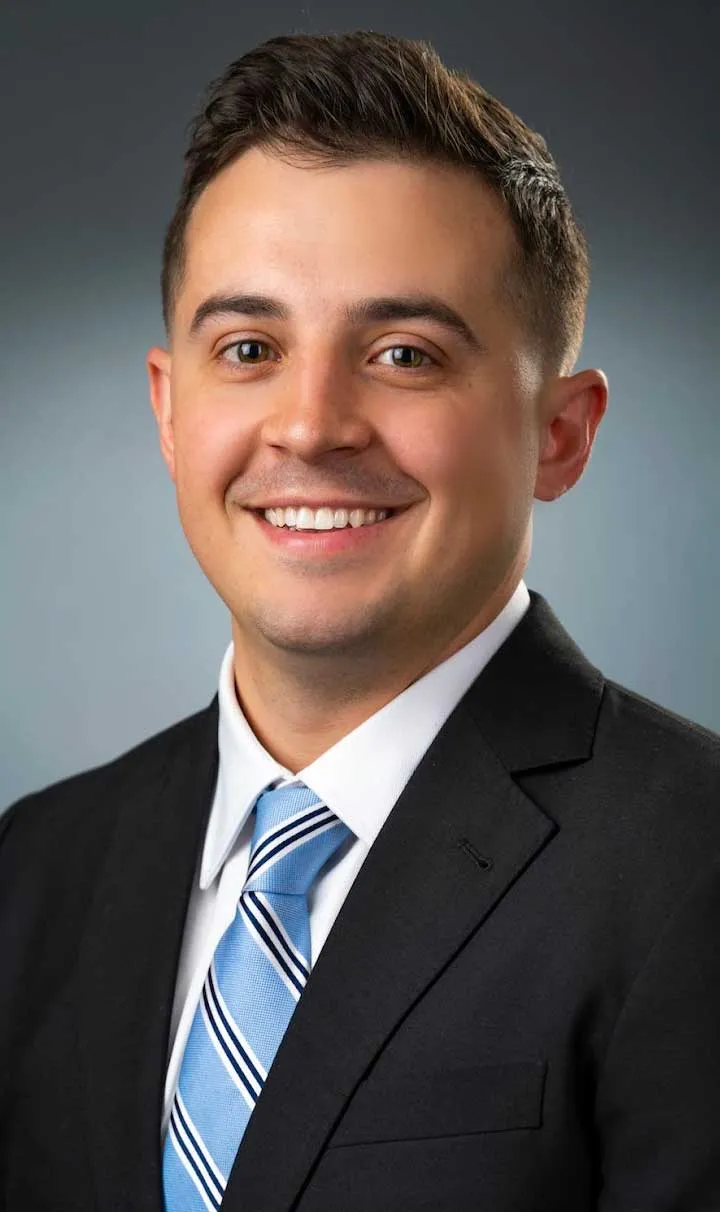

NEWTON PERSONAL INJURY LAWYER
Liability insurance covers injuries caused by another person’s carelessness.
Payment usually comes from liability coverage on a car, a home, or a business. Claims succeed when records show who was careless and how badly work and home routines were affected.
- No fee unless we win
- Same-day response
- Free case review
As Seen On:













Umbrella policies often surface once a Newton personal injury lawyer investigates coverage.
Thirteen separate villages make up this city, and no single downtown ties them together. Each village has its own shops, crossings, school routes, and parking habits. Injuries are therefore scattered across dozens of small centers instead of clustering at one notorious corner. A toll highway cuts through the middle, a ring highway borders the west, and a trolley line threads between neighborhoods. People get hurt in cars, on foot, on bicycles, inside stores, and at home. General injury work has to cover that whole range.
Whatever its cause, an injury claim asks one basic thing. Somebody had a responsibility to act carefully, failed, and thereby hurt another person. Proof of that failure may come from a police report, a store’s incident form, a photograph, or a witness. Harm is proven through medical charts, pay records, and honest accounts of daily limits. Determining which insurer answers, and up to what amount, often takes longer than establishing blame.
Treatment decisions made during the first week affect both health and proof. Emergency physicians rule out the worst possibilities but seldom follow a patient afterward. Primary care doctors, orthopedists, and therapists create the record that shows how an injury develops. Long gaps between visits invite the argument that recovery was already complete. Describing every symptom at every appointment, even minor ones, keeps the chart reliable. Honest reporting matters equally, since exaggeration damages credibility more than any defense argument.
New clients usually speak directly to Daniel J. Larson, or to a colleague, before anyone asks them to sign anything. Topics include how the harm occurred, which doctors are involved, and what insurers have already said. Clear answers follow about how strong the case looks and how long it may run. Some callers learn that their situation needs no lawyer, and they hear that plainly. Others leave with a list of records to gather and letters our office will write. Either result leaves a person better informed than before.
Households in this community frequently hold more insurance than they remember buying. Auto policies, homeowner policies, and separate umbrella coverage can all respond to one event. Shops and offices along the commercial corridors carry liability policies of their own, and contractors must carry theirs. Following a collision, a person’s own auto coverage may fund early treatment and step in when a careless driver is underinsured. Locating each policy requires written requests and sometimes persistence. Missing even one layer can leave a serious injury only partly compensated.
Small habits protect a claim during those opening weeks. Scene images, along with pictures of the hazard, visible bruising, and damaged property, should be backed up twice. Receipts for prescriptions, braces, rides, and childcare add up faster than expected. Daily notes about pain, sleep, and missed activities carry real weight when negotiations begin. Social media updates about the injury are risky, since insurers read public accounts. Calls from an adjuster seeking a recorded statement can wait until advice has been obtained.
What our clients say

We check for additional insurance coverage before sending a demand letter.
- We take over every insurer conversation so the recorded-statement pressure and lowball calls never land on you.
- We move fast to preserve the evidence, from scene photos and witness names to any camera footage, before it disappears.
- We work with your medical providers to tie each injury to what happened and document its full, long-term cost.
- We identify every source of recovery, from the at-fault party to PIP and underinsured coverage, so nothing is left unpaid.
- We handle the full range of Newton injuries, from crashes and falls to pedestrian, cyclist, and dog-bite claims.
- No fee unless we win
- Same-day response
- Free case review
- We can come to you


Negligence cases depend upon proof gathered before cameras overwrite footage.
Responsibility begins with a relationship between two parties. Drivers owe care to other road users, and shopkeepers owe it to customers. Landlords, homeowners, contractors, dog owners, and manufacturers each carry duties suited to their role. Defining that duty correctly matters, because it sets the standard a judge or jury will apply. A homeowner hosting a guest is judged differently from a supermarket serving thousands. Early analysis therefore identifies who controlled the place, vehicle, or product involved.
Showing a breach means comparing conduct with what careful people do. Traffic rules, building codes, store policies, and manufacturer instructions supply ready measures. Violating one of those standards is not automatic victory, yet it gives strong support. Internal records often reveal more than public ones, including inspection logs, maintenance tickets, and prior complaints. Letters demanding that such records be kept should go out before routine deletion occurs. Camera systems, in particular, erase older footage on a rolling basis.
Causation is where many otherwise strong claims are contested. Adjusters concede that their customer erred but dispute that the error injured anyone. Low vehicle damage, delayed treatment, and normal imaging are common grounds for that argument. Treating doctors answer it by explaining how the mechanism of injury matches the findings. Complaints that stay consistent across every visit reinforce their opinion. Independent experts become necessary only when the medical picture is complicated.
Older medical history is examined in every file. Adjusters request years of prior records looking for earlier back pain, headaches, or joint trouble. A careless person remains responsible for making an existing condition worse, a rule examined in our article on claims involving earlier health problems. Comparing how the person functioned beforehand and afterward answers most disputes. Employment attendance, gym records, and relatives’ observations show what a person could do previously. Releases for medical records should be limited to relevant years and providers.
Shared responsibility reduces compensation without necessarily ending a claim. Partial carelessness by the injured person lowers the award in proportion, and a share above half removes it entirely. The arithmetic is explained in how blame is divided between the parties. Nearly every file sees this defense raised, sometimes on thin evidence. Phone use, footwear, lighting, speed, and attention are each examined. Solid scene evidence gathered early usually limits how far the argument can go.
Filing dates depend on who is being sued. Going to court is ordinarily possible for three years, as outlined in our summary of time limits on injury lawsuits. Whenever a city, a school, a public transit operator, or a state agency is involved, written notice comes due much earlier. Road and sidewalk defects on public ways carry the shortest notice period of all, counted in days. Children generally have longer to sue, though evidence does not wait for them. Recording each applicable date during intake prevents an avoidable loss.
Certain injured people need added protection. Money paid to a minor usually needs court approval and a controlled account. Age-related conditions in older adults give insurers something to blame for every symptom. People with memory problems or serious head trauma may need a relative authorized to make decisions. Students at local colleges and other visitors can pursue claims here without being residents. Each situation alters paperwork and timing, not the underlying right.
Medical bills keep arriving until the matter is finally resolved. Health insurance pays most of them, and following a collision the patient’s auto insurer contributes first, though only to a capped amount. Some homeowner and business policies include a small benefit for guests’ treatment even where no carelessness is shown. Providers occasionally bill the wrong payer, which produces collection notices. Whoever pays may later ask for reimbursement from a recovery. Tracking every payment from the beginning prevents surprises when the case concludes.
Negotiation resolves most claims, yet preparation for court drives the offers. Insurers evaluate how a file would look to a jury drawn from the county. Serious discussion tends to follow organized records, credible witnesses, and a reasonable demand. Our comparison of settling a claim against taking it to a jury outlines the trade-offs. Filing suit is sometimes necessary simply to obtain documents the other side withholds. Accepting or refusing an offer is always the injured client’s decision.
Insurers have duties as well. They must investigate promptly, respond to communications, and make fair offers once responsibility is reasonably clear. Unreasonable delay or lowball tactics can expose a company to added liability, discussed in our page on insurers that handle claims unfairly. Written demands that set out the evidence trigger those obligations. Logging each contact with its date creates the record needed later. Most adjusters respond differently once they know the file is documented.
Trolley platforms and hillside avenues produce frequent pedestrian injuries.
Ramps from the toll highway empty directly onto village streets. Drivers leaving at speed meet crosswalks, bus stops, and parked delivery vans within a few hundred feet. Rear-end impacts and turning collisions near those ramps are common. Pedestrians heading to nearby shops face traffic that has not yet slowed. Toll gantry records and highway cameras can establish timing and speed. Requests for that data must be made quickly, because retention is brief.
Along the western border runs the region’s ring highway, lined with office parks and medical buildings. Rush-hour congestion produces chain collisions on its ramps and frontage roads. Many people injured there are commuters employed elsewhere, which splits records across several towns. Falls on ice, poorly lit stairs, and gate malfunctions occur in employer parking facilities. Property managers, not tenants, usually control those areas. Lease documents name the party in charge of upkeep.
One state road serves as the main retail strip. Shopping centers, restaurants, and medical offices line both sides, each with its own driveway. Vehicles turning left across several lanes cause frequent broadside crashes. Inside the stores, wet floors, fallen merchandise, and cluttered aisles injure customers every week. Low-speed impacts and falls on worn stairs happen in the parking garages. Our lawyers handle such matters with the methods our main office developed for injuries inside stores and buildings.
A trolley line and a commuter railroad both stop in several villages. Riders are hurt on platforms, on stairs, at grade crossings, and when vehicles brake hard. Special notice rules and capped damages apply when the public transit operator is sued. Station areas also concentrate pedestrians, cyclists, and drivers dropping off passengers. Private shuttle services and school buses share the same curb space. Identifying whether a public or private operator was involved is the first question.
One long avenue climbs a series of hills that runners and cyclists use year-round. A parallel service lane lets residents reach their driveways, which creates unusual turning conflicts. Drivers crossing that lane often look for cars and miss a jogger or cyclist. Race training groups add volume on weekend mornings. Serious cases resemble the collisions with walkers that our main office handles, with fractures and concussions. Exact speed and location are frequently stored on a fitness watch or cycling computer.
At predictable hours, heavy foot traffic surrounds every school and college. Drop-off lines back into travel lanes, and children cross between stopped cars. College students walk and bike between campus, housing, and transit, often at night. Injuries also occur on athletic fields, in gymnasiums, and inside dormitories. Private schools and colleges carry liability insurance, whereas public schools fall under the stricter notice rules for government bodies. School staff write incident reports, and a written request secures copies.
Housing here is mostly old, large, and constantly under renovation. Contractors, landscapers, roofers, and tree crews work on residential streets every weekday. Their trucks block sight lines, and their equipment injures workers, neighbors, and passersby. Homeowners who hire uninsured crews may become responsible themselves. Sidewalk panels lifted by mature street trees create trip hazards that the city is expected to repair. Winter adds ice on private walks which owners must treat with reasonable speed.
River paths, a swimming lake, playgrounds, and conservation land draw crowds in good weather. Recreation land owned by the public raises immunity questions that depend on details. Care usually begins at the community hospital on the western side or at teaching hospitals nearby. Neighboring communities share many of the same roads and employers, which is why we also maintain a page for injured people in the town next door. Local police reports are available within days. Fire department run sheets document what first responders saw.
Chronic pain claims require medical opinions about future treatment.
Medical expenses form the base of nearly any injury demand. Emergency care, imaging, surgery, therapy, and medication are totaled from provider ledgers, not from estimates. Future treatment is added when a doctor states that more will probably be needed. Appointment travel, medical equipment, and home help are added in. Prescription copays and over-the-counter supplies get overlooked easily and should be itemized. Charges that a health plan already covered still belong in that sum. Accurate totals depend on collecting complete billing records from every provider.
Work losses vary widely in a community with many professionals and business owners. Salaried employees document missed days, used leave, and lost bonuses. Consultants, sole proprietors, and partners in a firm must show lost contracts, canceled clients, or reduced billing. Records that persuade insurers are listed in our guide to proving income lost through an injury. Reduced earning capacity is claimed when returning to the former occupation is impossible. That long-term figure is calculated by vocational and economic experts, using career history and labor data.
Physical suffering has no invoice, yet it is often the largest element. Adjusters weigh the kind of injury, how long treatment lasted, and what limits remain. Personal details make the difference, such as a runner who cannot train or a grandparent who can no longer carry a toddler. Those factors are described in the way suffering is valued during settlement. Evidence comes from journals, photographs, and statements by longtime friends. Consistency between those accounts and the medical chart is essential.
Complete healing does not always happen. Permanent limits may follow nerve damage, a joint injury, or head trauma. Ongoing discomfort that outlasts normal healing is addressed in our material about pain that becomes chronic. Permanent harm requires a physician’s written opinion about the coming decades. Specialists called life care planners estimate what treatment and assistance will cost over decades. Any settlement reached before the long-term outlook is known risks leaving those costs uncovered.
Emotional effects need the same attention as physical ones. Typical examples are anxiety about driving, disturbed sleep, a low mood, and dread of returning to the place of injury. Treatment by a counselor or physician documents those problems. When such claims succeed is explained in our article covering compensation for emotional harm. Children may show distress through behavior instead of words. Early support helps recovery and creates a record at once.
Relatives are affected too. Married partners may take on caregiving, lose companionship, and carry the household alone. Those losses can be claimed separately, as set out where we discuss a partner’s own claim at length. Parents nursing an injured child at home may recover the value of that care. Any time relatives take off work should be written down with dates. These categories are rarely volunteered by an insurer, so they must be raised deliberately.
Valuing the whole claim means bringing these elements together. Documented costs are added, future needs are projected, and human losses are weighed against similar cases. Each step appears in our walkthrough of how settlement figures get built. Insurance limits and shared blame then adjust the result. Comparable outcomes from this county offer a rough guide, never a promise. Reimbursement owed to health insurers or public programs is negotiated before funds are paid out. Before deciding, clients receive a written breakdown showing every deduction.
Medical Bills and Future Care Costs
Lost Wages and Lost Earning Power
Pain, Suffering, and Lost Quality
Permanent Disability and Disfigurement
Doctors treat injuries first while Larson Law gathers records.
Get care and document the injury
Get medical care right away and keep every record, because some injuries surface days later. Photograph what caused it, get the names of any witnesses, and save every bill and receipt for your record.
Talk to a Newton injury attorney
Call for a free review of what happened. We explain how Massachusetts fault, PIP, and the filing deadlines apply to your situation, and where your Newton personal injury claim stands at this hour now.
We build and press the claim
Once we take over, we gather the evidence, deal with every insurer, calculate the full value of the claim, track each filing deadline, and keep you updated so you can focus fully on your own recovery.
- 5.0 stars out of 100+ reviews
A short conversation tells injured residents whether claims exist.
Our office answers phone calls, texts, and messages sent through this page. Mention the date, the location, and any insurer that has already written or called. One lawyer will say plainly whether you have grounds for a claim and which step comes first. Matters from this area are handled alongside our firm’s core injury lawyers.
By submitting this form, you acknowledge that doing so does not create an attorney-client relationship. Please do not include confidential information. Contacting us does not obligate you to retain our services.
Our Clients.


Our Practice Areas.
Larson Law helps injured people and families across Massachusetts after a serious accident. If you were hurt by someone else’s carelessness in Boston, we are ready to listen and explain your options at no cost.
Injury questions from the villages, answered.
What should I do right after an injury in Newton?
Get medical care right away, even if you feel only shaken, because some injuries surface hours or days later. Report what happened, whether to the police, a property owner, or a manager, so there is an official record. If you are able, photograph what caused the injury and the scene before anything changes, and get the names and numbers of any witnesses. Keep every bill, record, and receipt, and avoid giving any insurer a recorded statement before speaking with a lawyer. Early documentation is what protects a Newton personal injury claim.
How do I know if I have a personal injury claim?
Generally, you have a claim when someone else’s negligence caused your injury, whether a driver, a property owner, a business, or another party who failed to act with reasonable care. The questions are who was at fault, whether their carelessness caused your injury, and what the injury has cost you. Because those answers are not always obvious, and because insurers frame them in their own favor, a free review is the simplest way to find out whether you have a Newton personal injury claim and what it may be worth.
Does PIP cover my Newton injury?
If your injury came from a motor-vehicle crash, yes, at first. Personal Injury Protection pays initial medical bills and part of your lost wages regardless of fault. PIP is capped, though, and serious injuries quickly exceed it, at which point the claim moves to the at-fault party’s insurer. If your injury came from a fall, a dog bite, or another non-vehicle cause, PIP generally does not apply, and the claim runs through the responsible party’s liability coverage instead.
How is fault decided if I was partly to blame?
Massachusetts follows modified comparative negligence. You can still recover as long as you were not more than 50 percent at fault, and your compensation is reduced by your share of the blame. Insurers routinely try to shift more fault onto the injured person to cut what they pay, so preserving the evidence and building the record early is what keeps fault, and the value of your Newton personal injury claim, where it belongs. Fault is rarely all-or-nothing, and the percentage an insurer assigns is negotiable when the evidence is preserved, which is exactly why the scene photos, witness names, and prompt reporting matter so much.
How long do I have to file a personal injury claim?
Usually three years from the date of the injury. If the injury was fatal, a wrongful death claim also generally runs three years. Claims against a city or public entity carry a much shorter notice deadline. Because a missed deadline generally ends even a strong claim, and evidence disappears quickly, it is best to have a Newton injury reviewed early.
What if my injury happened on city property in Newton?
Claims against a city, town, or public entity, such as a fall on public property or a crash with a municipal vehicle, are governed by a separate public-entity process. It requires a written presentment to the correct official before suit, generally within two years, and it caps certain damages. These claims are more technical and time-sensitive than an ordinary claim, so if your Newton injury involved city property or a public vehicle, it is especially important to have it reviewed early.
Should I give the insurance company a recorded statement?
Not before speaking with a lawyer. An insurer often calls within days, sounding helpful, but a recorded statement is used to lock you into words that can be turned against your claim later, before you even know the extent of your injuries. You are not required to give one. You can decline politely and refer the adjuster to your attorney. We handle those conversations for our Newton clients so nothing said in the first difficult days is used to reduce what the claim is worth. If an adjuster has already reached you, it is not too late; you can simply refer future calls to your attorney, and we take those conversations over from that point forward.
How much does a personal injury lawyer cost?
Nothing up front. Larson Law handles personal injury claims on a contingency fee, so you pay no attorney fee unless we recover for you, and the first case review is free. That lets an injured person get experienced help dealing with the insurers, without adding a bill at a time when medical costs are rising and income may have stopped. If we do not recover, you owe no attorney fee.
Should I accept the insurance company's first offer?
Almost never right away. A first offer usually arrives before the full extent of your injuries, future care, and lost income is known, and once you sign a release you cannot reopen the claim if you turn out to need more treatment. Early offers are designed to close the file cheaply. A free review can tell you whether an offer comes anywhere near the real, full value of your Newton personal injury claim before you give anything up.
Will my case go to court?
Most personal injury claims settle without a trial, but the ones that settle fairly are the ones prepared as if they will be tried. A well-documented claim, with the evidence, medical proof, and full cost of the injury laid out, is what pushes an insurer to pay full value. If a fair settlement cannot be reached, a Newton case can be filed in the Middlesex County courts, and we handle that step and the litigation that follows.
What if a family member died from their injuries?
Massachusetts allows a wrongful death claim, brought by the estate’s representative on behalf of the surviving family. It can seek the lost income, services, companionship, and guidance of the person who died, along with funeral and burial costs. Losing someone to another’s negligence is devastating, and we handle the legal side with care so the family can grieve rather than fight an insurer over what happened.
How can a Newton personal injury lawyer help my case?
By taking the insurers off your hands and building the claim to its full value. We preserve the evidence, identify every source of recovery, deal with every adjuster, work with your medical providers to document the injuries, and calculate the true short and long-term cost, whether your injury came from a crash, a fall, or another cause. That lets you focus on recovery while the claim is built and pressed by someone who knows how these cases are won in Middlesex County.