
BROOKLINE PERSONAL INJURY LAWYER
Shoppers hurt by ignored hazards can make stores pay their bills.
Repair requests, complaints and inspection records show how long managers knew about that broken step. The store’s insurance company then pays each bill the injured customer faces.
- No fee unless we win
- Same-day response
- Free case review
As Seen On:













Careless businesses or drivers cover hospital bills after injuring someone.
Grocery aisles, cafe patios and trolley crossings in this compact town each create different hazards for visitors. A store manager who leaves spilled yogurt on tile, or a delivery driver rushing through a turn, creates real harm. Whoever caused that harm, whether a business or a motorist, must pay for the hospital visits and missed workdays afterward. Usually that payment flows through an insurance policy purchased for precisely such mishaps. Injured shoppers, diners, cyclists and commuters are not asking for charity when they press these claims forward. They are asking the responsible party to cover costs that would never have existed without its carelessness.
Cases here range widely, because so much daily activity is packed into such a small area. Drivers clip cyclists on narrow commercial streets, and scooters slide on trolley rails near busy intersections. Customers slip on wet entryways, trip over torn mats or tumble on uneven garage ramps after evening dinners. Dogs tied outside coffee shops sometimes lunge at passersby, while loose dogs near park lots can bite anyone walking past. Patients and visitors fall in medical office lobbies and clinic corridors throughout the neighboring hospital district. Gym members, students and construction crews on commercial jobs round out the typical caseload here.
Storefront cameras here typically overwrite older recordings after several days, and shops change tenants often. Right after an injury call, letters go out asking businesses to preserve camera footage, incident paperwork and cleaning logs. Gathered next are ambulance run sheets, emergency department charts and snapshots friends took with their phones. Bystanders sitting at a cafe table or waiting at the trolley stop get contacted while memories stay sharp. Coverage details for every business, driver and property owner involved get identified before anyone gives a statement. Promptly locking down those facts stops an insurance company from rewriting the story later.
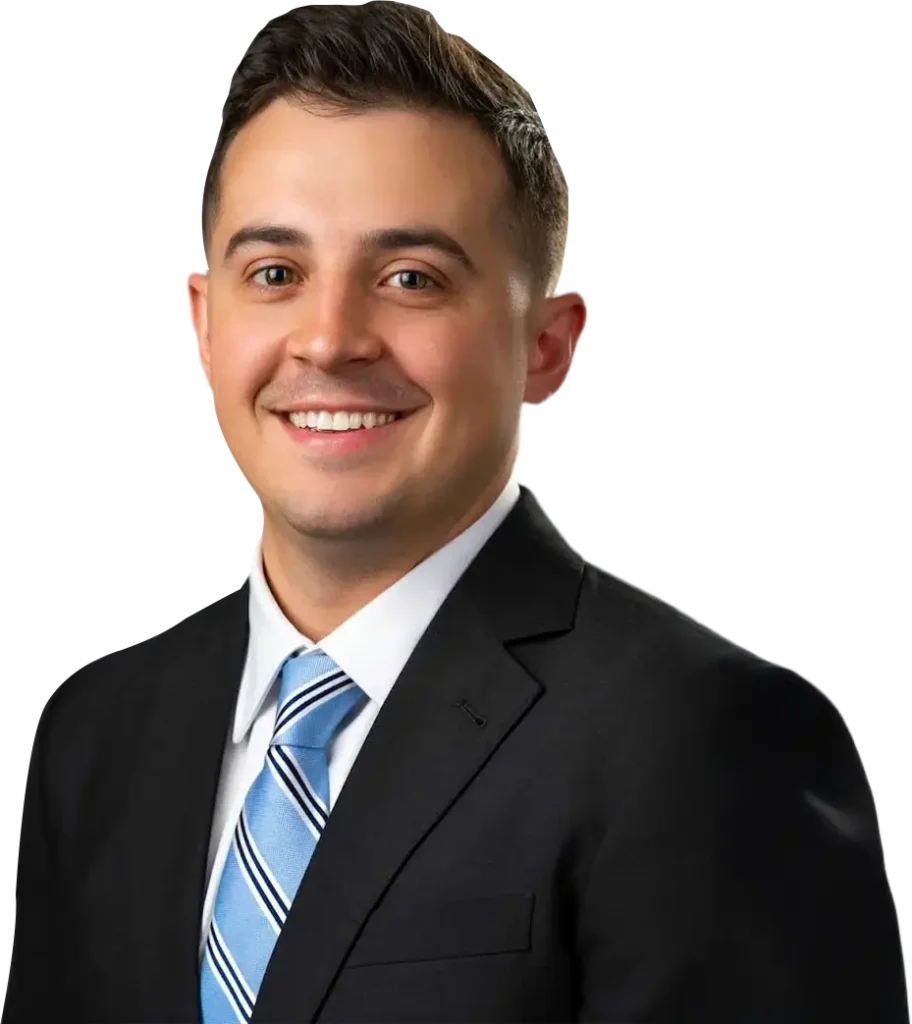
Every injury file opened here stays under the personal supervision of trial lawyer Daniel J. Larson, a courtroom veteran. Courtroom habits shape how evidence gets gathered from that first phone call onward. Falls in stores and restaurants receive the same detail found in the firm’s work on slippery floors and broken stairs across the city, adjusted for local conditions. Clients meet the lawyer actually handling their file, not a rotating set of assistants reading scripts. Bills, forms and next steps get explained by someone already familiar with every page of that file. Honest guidance about strengths and weaknesses arrives early, before anyone signs releases or medical authorizations.
Some hurt customers hesitate because blaming a familiar shop or neighborhood restaurant feels awkward. Those businesses almost always carry insurance designed for customers hurt inside their doors, so owners rarely pay personally. Informing a manager, keeping receipts and saving shoes or clothing helps preserve important details. Prompt medical treatment matters, even for pain that seems minor during the first evening. Early care produces notes tying the injury to that specific fall, crash or bite. After those steps, one short phone call can identify which business or driver should pay.
What our clients say

Crash, fall and dog bite clients work with one firm.
- We handle the full range of serious personal injury claims across Brookline.
- We investigate how the injury happened and preserve the evidence that proves fault.
- We build the medical proof that shows the true extent of your injuries and how long recovery takes.
- We deal with the insurer so you are not pushed into a quick, low settlement.
- We pursue every source of compensation, from medical costs to lost earning power.
- No fee unless we win
- No upfront costs
- Direct attorney access
- Free case review


Accident victims prove four things before insurance companies pay.
Four ideas support every injury claim, and each can be explained without legal jargon. First, the business or driver was required to behave carefully toward customers, walkers and cyclists nearby. Second, that business or driver fell short, perhaps by ignoring a spill or running a red light. Third, that shortfall actually produced the injury, not some unrelated event or earlier condition. Fourth, the injured person suffered real harm, such as medical bills, missed work or lasting pain.
Grocers, restaurants and gyms must keep their floors, stairs and equipment reasonably safe for paying customers. Businesses that ignore a danger they already knew about face the strongest claims of all. Repair requests that sat unanswered, earlier customer complaints and failed inspection reports all show that knowledge. A restaurant whose staff mopped around a leaking cooler for weeks cannot credibly claim surprise when someone slips. Maintenance logs, emails between managers and contractor invoices often reveal months of neglect. Once that history comes to light, insurance companies usually stop arguing about fault and start discussing payment.
Usually an employer answers for careless mistakes its staff make while performing assigned tasks. Suppose a delivery driver strikes a cyclist mid-shift; the delivery company usually becomes responsible too. The same principle applies when a store clerk stacks boxes badly or a gym trainer pushes a client too hard. App-based delivery platforms raise similar questions about whether a courier was logged in and working. Such responsibility matters because company coverage typically dwarfs any single employee’s personal policy. Contractors and staffing agencies sometimes complicate the picture, so work schedules and contracts often need close study.
Insurance sits behind nearly every injury claim, even when a business or driver seems to be the only party. Bigger retail chains frequently carry umbrella coverage above their ordinary policy limits. Commercial policies cover stores, restaurants, parking garages and medical offices, while auto policies protect drivers and courier vans. Claims adjusters at those companies evaluate files, request records and make opening settlement offers. Closing files cheaply is their goal, so opening offers seldom match the true cost of someone’s injuries. Knowing which policies apply, and each one’s coverage limit, shapes every decision that follows.
Adjusters frequently suggest that hurt customers share fault, perhaps for checking text messages while walking. Following the rules on blame shared between an injured person and others, partial fault reduces payment but rarely eliminates it. An injured customer found twenty percent responsible still collects eighty percent of those losses. Only an injured person whose fault outweighs everyone else’s combined loses payment entirely. Those early blame arguments often collapse once store surveillance and bystander recollections surface.
Delay can ruin an otherwise strong case, since memories blur and security recordings disappear. Courts generally reject injury lawsuits brought outside the fixed window of years after an injury, so missing that cutoff usually ends everything. Security video often vanishes within days, long before any court deadline gets near. Over time, witnesses change jobs, leave town or simply forget details that once seemed vivid. Starting early protects that deadline and also the evidence needed to meet it.
Towns, public schools and public hospitals face stricter claim procedures than private businesses do. Town plow drivers and school buses sometimes cause injuries, and so do broken municipal sidewalks. Officials generally expect a written description of the harm, its date and its location very quickly. For certain road and sidewalk defects, the town must receive notice within a very short period. Government defendants also benefit from caps limiting how much they ever pay out. Those early deadlines make prompt legal advice especially important after any crash with a government vehicle.
Payment in an injury case covers much more than whichever hospital bill arrives first. Families sometimes overlook categories of loss simply because nobody explained that those losses count. Medical treatment, therapy, prescriptions and future care all count, as do missed paychecks. A guide on how physical and emotional harm gets valued explains why lasting pain, anxiety and lost hobbies also carry weight. Scarring counts too, as does reduced earning ability and damage to belongings such as bicycles or phones. Each category needs separate proof, collected steadily from the earliest medical visit.
Negotiated agreements end most injury claims once treatment winds down and the evidence is organized. Settling avoids the delay and uncertainty of a courtroom, while still producing payment that reflects the losses. Trials take longer and carry real risk, but preparing for one often pushes insurers toward better offers. Some insurance companies refuse fair numbers, however, and those cases move toward a lawsuit and possibly a jury. Deciding whether to take an offer or go before a jury turns on the proof, the injuries and each client’s priorities. That final decision belongs to the client, made after hearing a candid review of every risk.
Crowded storefronts, trolley stops and garages see daily mishaps.
Few towns pack so many kinds of injury risk into so few square miles. Shoppers, students, hospital workers and commuters all share narrow sidewalks with delivery trucks, cyclists and leashed dogs. The town sits directly beside a major city, so traffic pours through its commercial districts at nearly every hour. Next to modern medical offices and crowded supermarkets, older commercial buildings still greet shoppers with steep entry steps. Every setting creates its own injury patterns and its own list of businesses or drivers who might be responsible. Knowing that mix helps pinpoint which insurance policies apply long before anyone files paperwork.
Trolley stops and garage ramps put walkers near cars.
Each small commercial center in town draws dense foot traffic, delivery vans parked two deep and drivers circling for curbside spaces. Opening car doors sweep into bike lanes, and turning drivers miss walkers stepping out between parked vehicles. Collisions on these blocks often involve business vehicles, so company insurance usually becomes available. Injured drivers and passengers can learn more about handling collisions throughout the region and how fault gets proven. Storefront cameras on these blocks often record the seconds before each collision.
Along the wide boulevard carrying the trolley, riders, cyclists and drivers face their own hazards. Cars turning left across the tracks sometimes strike riders walking from median platforms toward the sidewalk. Scooter and bicycle tires can catch in rail grooves, throwing riders onto hard pavement in front of traffic. The transit system itself may share responsibility when platform edges, crossings or signals were poorly maintained. Fare card histories for injured riders show the exact time and stop where boarding went wrong. Claims involving that public system follow special notice rules, so they need attention quickly.
Parking garages beneath shops and medical buildings make ordinary errands riskier. Poor lighting, oil stains, cracked ramps and broken stair railings cause falls that attentive garage operators would have fixed beforehand. Drivers backing out of tight spaces also strike walkers heading toward elevators or exits. Similar garage and street conditions appear in the city neighborhood bordering town, where many people from town work and shop. Garage operators usually carry commercial insurance, and their inspection records often reveal ignored complaints.
Shops, gyms and clinics must fix dangers they notice.
Supermarkets, bakeries and restaurants fill the commercial blocks, and their floors take constant punishment from weather and crowds. Melting snow tracked indoors, spilled drinks and freshly mopped tile without warning signs cause many hard falls each winter. Restaurant kitchens sometimes push grease onto dining room floors, while crowded aisles hide broken produce and leaking freezers. Store managers must inspect regularly and fix or warn about what they find. Supermarket chains often keep sweep logs showing exactly when an aisle was last checked. Paperwork filed by employees that same day becomes key evidence about what staff knew.
Outdoor cafe tables bring dogs and strangers within inches of each other on busy sidewalks. Tied to a cafe railing, a dog can bite a passing customer, and dogs near park lots sometimes attack without warning. Owners generally answer for those bites, and cafes tolerating snapping dogs on patios may face claims themselves. Victims can read about how injuries from dog attacks get handled and the steps that matter afterward. Gyms and fitness studios add another source of harm through broken machines, loose weights and careless trainers.
Hospitals clustered beyond the town border draw patients, visitors and staff from all over the area daily. Falls happen regularly in clinic lobbies, at wet hospital entrances and across poorly kept medical office parking areas. Patients sometimes suffer injuries when staff drop them during transfers or leave wheelchairs unlocked. College gyms and private school fields nearby carry similar duties toward students and visitors who use them. These institutions keep detailed incident records, which become valuable evidence later.
Doctor visits from day one until discharge document each injury.
Documentation starts with the very first medical visit, whether in an ambulance, an emergency room or an urgent care clinic. Mentioning each symptom, including minor aches, gives doctors a complete picture to record. Patients should explain precisely how they got hurt, naming the fall, collision or bite involved. Those first notes become the foundation insurance adjusters examine when deciding whether an injury is genuine. Gaps or vague descriptions at this stage often cause arguments months later. Keeping discharge papers, prescriptions and follow-up instructions protects that early record.
Imaging studies such as X-rays, CT scans and MRIs confirm injuries that pain alone cannot prove. Fractured wrists, hips and ankles are common after falls on slick tile and icy garage ramps. Cases involving fractures that need surgery or casting depend heavily on these images and operative reports. When healing stalls, follow-up imaging documents that delay and any metal hardware surgeons installed. Imaging reports should all be requested, copied and filed in a single binder. Doctors’ explanations of future risks, like arthritis, carry special weight.
Brain and skull injuries need special attention because symptoms often appear slowly and stay invisible to others. Memory lapses, headaches, light sensitivity and mood changes may surface several days after the initial blow. Neurologists, neuropsychologists and therapists document these problems through testing that measures attention and recall. Families can help by keeping a simple journal describing changes they notice at home and work. Information about serious head and brain trauma explains why early evaluation matters. Without that documentation, insurance companies may dismiss real cognitive harm as ordinary stress.
Recovery gets charted through physical therapy, chiropractic care and pain management appointments across many weeks. Each visit note describes range of motion, strength and pain levels, showing progress or lingering limitations. Home exercise logs and weekly photos of bruising or swelling add a personal layer to those clinical notes. Missing appointments without explanation hands insurance companies a reason to claim the injury had healed. When work schedules or transportation make attendance difficult, those reasons should be written down right away. Therapists’ final evaluations summarize what the patient can and cannot do once treatment wraps up. Those summaries often shape how much future care the claim includes.
Injuries also cost money outside the doctor’s office, especially when work stops entirely or shrinks to reduced hours. Employer letters, wage statements and tax filings confirm how much income disappeared while healing. Freelance tradespeople can prove missed earnings with invoices, deposit records and canceled client bookings. Insurance companies expect specific paperwork, and an article on documenting paychecks missed after getting hurt describes it. Receipts should track mileage to appointments, hired help and medical equipment purchases. Even hospital parking fees and pharmacy delivery charges belong in that running total. Combined, those records turn painful months into figures any insurance adjuster must confront.
Treatment usually ends when doctors decide a patient has improved as much as reasonably possible. Final records and bills then get gathered from every provider involved since day one. Repayment demands from health plans and hospitals that covered earlier care often arrive near the end. Resolving repayment claims from health insurers and hospitals before closing a case protects the client’s final share. Lowering those repayment amounts through negotiation often leaves injured clients with noticeably more money overall. Every bill, payment and balance gets checked against records so nothing gets double counted. Only after that review does a complete demand go to the responsible insurance company.
Medical Bills and Future Care
Lost Wages and Earning Capacity
Pain, Suffering, and Hardship
Wrongful Death of a Loved One
Medical care, saved records, then legal advice come before settling.
Get treatment and keep every record
Get medical care right away and keep every record, bill, and photo, because a documented injury is the basis of the claim; even injuries that seem minor at first can turn out to be serious days later.
Speak to a lawyer before you settle
Do not accept an insurer's first offer or give a recorded statement before you understand your injuries, because an early, low settlement can close the case for far less than it is truly worth to you.
Let us take on your insurer for you
Let us investigate what happened, preserve the evidence, build up the medical proof, and deal with insurers, so you can focus on recovery while we pursue the full value of your personal injury claims.
- 5.0 stars out of 100+ reviews
Phone conversations quickly reveal whether someone else must pay.
Shoppers injured in a store, restaurant, garage or crash nearby can phone and lay out every detail. Each call reviews who might be at fault, what paperwork matters and which deadlines could affect the case. Messages left after hours or on weekends get returned promptly by the team. This team also represents people injured throughout the city next door after falls, crashes and bites.
By submitting this form, you acknowledge that doing so does not create an attorney-client relationship. Please do not include confidential information. Contacting us does not obligate you to retain our services.
Our Clients.


Our Practice Areas.
Larson Law helps injured people and families across Massachusetts after a serious accident. If you were hurt by someone else’s carelessness, we are ready to listen and explain your options.
Recorded calls, quick offers or late symptoms raise common questions.
Somebody else was careless, but I only feel bruised. Is that a case?
Possibly, and it is worth asking rather than guessing. Soft-tissue injuries and concussions often present mildly and worsen over the following week. What matters is that you were seen, that the record reflects everything rather than only the worst symptom, and that somebody else’s carelessness caused it.
What kinds of injury cases do you handle?
We handle the full range of serious-injury claims: car, truck, and motorcycle crashes, pedestrian and bicycle injuries, slip and falls and other premises cases, dog bites, and wrongful death. Different case types turn on different evidence and rules, but each shares the same core: proving that someone else was at fault and documenting the full extent of the harm.
Can you tell me a number in the first meeting?
No, and be wary of anyone who does. Early on, the two things that decide value are both unknown: the insurance coverage actually available, and how much responsibility the other side will try to shift onto you. A figure quoted before either is established is a guess dressed as advice.
Is there a rush, or can this wait until I have recovered?
There is more urgency than most people expect, and it has little to do with paperwork. Camera footage overwrites within days, road surfaces and signage change, and witnesses move away. Waiting rarely ends a claim outright, but it routinely costs the proof that would have made it straightforward.
What if I was partly at fault?
You can still recover as long as your share of the blame is not greater than the other side’s, with the award reduced by whatever percentage is assigned to you. Insurers push that number up, which is why an independent look at the evidence matters.
The insurance company already offered me money. Should I take it?
Be cautious. An early offer usually arrives before you know the full extent of your injuries, and once you sign a release the claim is closed for good, even if you need more treatment later. Have it reviewed before you agree to anything.
Do I have to go to court?
Usually not. Most claims settle once the evidence is gathered and the losses documented. Preparing a case as though it will be tried is what moves an insurer toward a fair number, and if it refuses, we are prepared to file suit.
What if my injuries did not show up right away?
That is common and it does not defeat a claim. Whiplash, concussions, and soft-tissue injuries often surface hours or days later. Getting medical attention promptly is what connects the injury to the incident and answers the argument that something else caused it.
How much does it cost to hire a lawyer?
Payment comes only at the end. The lawyer receives an agreed share of any recovery, set in writing at the start, and a case that recovers nothing costs the client nothing. That arrangement lets anyone take on an insurance company without financial risk and keeps the firm’s interests aligned with the client’s.
An adjuster wants to record a call. Do I have to agree?
Not to the other side’s insurer, no. The request usually arrives early, sounds routine, and is aimed at fixing your account before you have the full picture or a complete diagnosis. Give them our details instead. Nothing is lost by declining, and a lot can be lost by agreeing.
What should I do right after an accident?
Get medical attention, even if you feel able to walk away, because serious injuries are not always obvious. Document the scene with photos, collect witness names, and keep every record and bill. Avoid a recorded statement, and speak with a lawyer early.
Why should I choose Larson Law for my injury claim?
Because each case is prepared personally and as though it will be tried. We investigate what happened, build the medical proof, deal with the insurer directly, and press for the full value of the claim rather than the number that was offered first.
