
BROOKLINE CAR ACCIDENT LAWYER
Drivers hunting parking spots often brake or turn suddenly.
Motorists must signal and check mirrors before stopping or turning toward any curbside opening. Shop cameras lining shopping blocks often record how a sudden stop or turn unfolded.
- No fee unless we win
- Same-day response
- Free case review
As Seen On:












Collision claims pay back medical bills and missed paychecks.
Collisions in this crowded town leave people with hospital bills, missed paychecks, damaged cars and months of interrupted routines. Claims built after these collisions gather those losses into one demand against the careless motorist responsible. Doctor bills, missing income and future therapy belong there, along with the daily pain recovery brings. Vehicle repairs and rental costs travel on a separate property track, usually settled faster than injury payments. Cyclists and passengers hurt by careless motorists hold these same claims, and so do people struck while walking. Knowing every category early keeps a hurried insurance offer from quietly leaving out losses that arrive later.
Congested shopping blocks, where traffic lurches forward and halts constantly, produce many collisions that reach this office. Drivers circling for an open meter brake suddenly, swing curbside, or pull out with no glance backward. Pedestrians stepping between parked cars and buses halting at corners force constant, unexpected stops for following motorists. Most collisions on those blocks happen slowly, yet strained necks and backs still keep people off work for weeks. Low speed never means low harm, and insurance companies sometimes argue otherwise until medical records answer them.
Responsibility generally sits with whichever motorist stopped, turned or pulled away without signaling or looking around. Sometimes a delivery company, shuttle operator or ride app insurer shares responsibility for those broken bones and strains. Commuters crossing the town line each morning mean many crashes involve drivers from the neighboring big city. Cases that start here sometimes continue with crash cases handled across the big city next door when the other driver or insurer is based there. Naming every motorist, vehicle owner and employer with any connection to the wreck comes first in those conversations.
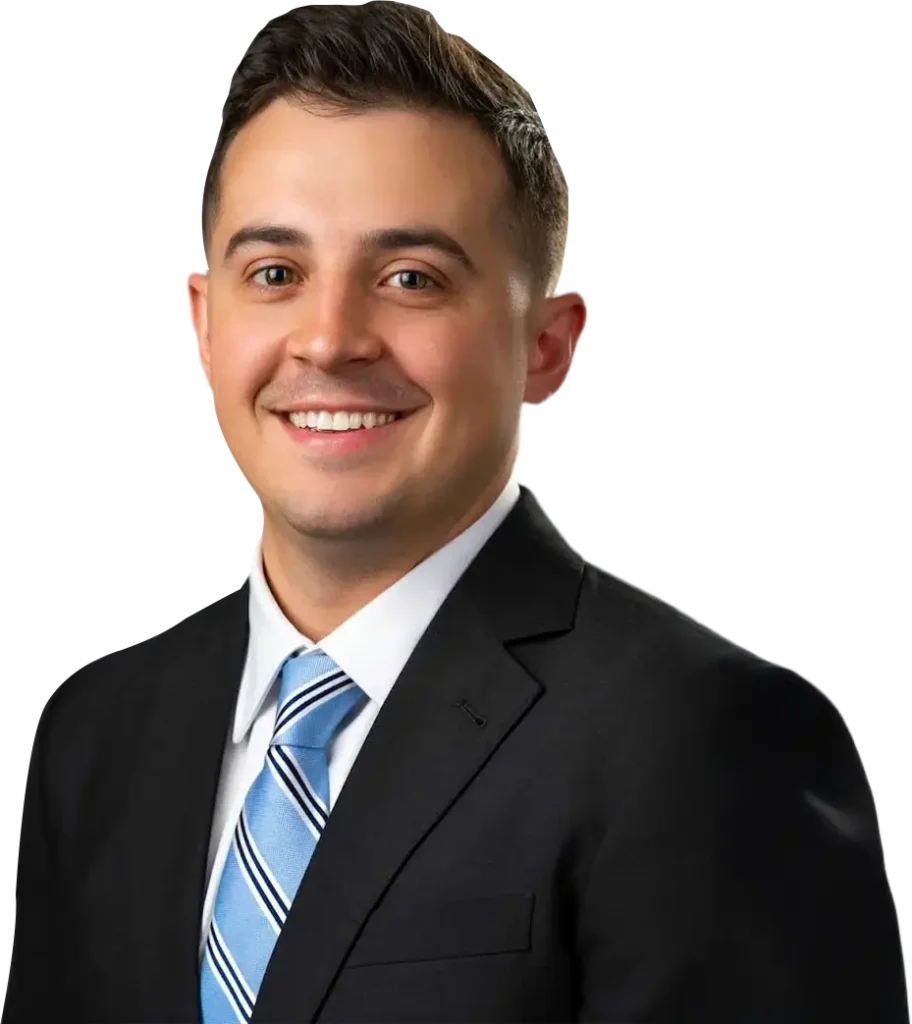
First steps start before any insurance call gets returned or any recorded statement gets given. Merchants along those commercial blocks often keep camera footage only a few days before recording over it. Letters asking them to hold that footage go out quickly, together with requests for the officer’s written report. Medical appointments get scheduled and tracked so treatment records show a steady path from day one onward. Incoming files land with trial attorney Daniel J. Larson, who weighs photographs, repair estimates and witness names together. That early review decides which insurance policies apply and which deadlines start running right away.
Clients also hear which bills their own auto policy will pay now and which wait for a later claim. Repair shops, rental agencies and employers each need paperwork, and keeping those requests organized spares injured people extra calls. Estimates from body shops and rental receipts get collected as they arrive, letting vehicle damage settle without delay. Missed shifts, child care and rides to appointments all get discussed plainly early in the relationship. Signing anything with an insurance company waits until the full picture of injuries and losses becomes clear. Updates arrive whenever something changes, whether a footage response, a police supplement or a new medical opinion.
What our clients say

Injured clients get solid proof naming whoever caused their injuries.
- We handle car and multi-vehicle crash claims across Brookline and the surrounding area.
- We make sure your early medical and wage benefits are paid correctly and on time.
- We prove the other driver was at fault and that your injury meets the threshold.
- We preserve the crash evidence, from store camera footage to the vehicle damage.
- We deal with the insurer so you are not pushed into a quick, low settlement.
- No fee unless we win
- No upfront costs
- Direct attorney access
- Free case review


Injured people's own auto policies pay initial treatment bills.
Here, early medical bills start with the injured person’s auto policy, not with the other driver’s coverage. Doctor visits, therapy and some lost income get paid from it, stopping at a set limit, whoever erred. Riders and people struck on foot generally claim through the policy covering that vehicle or through their own. Forms go to the insurance company quickly, because late paperwork can delay those payments for weeks or longer. Prescription receipts and mileage driven to therapy belong in those submissions, since small costs accumulate quickly. Keeping each payment source in order prevents gaps that leave clinics sending bills straight to patients.
Separate from those benefits, pain, lasting limits and lost enjoyment become claimable against the careless motorist once certain conditions are met. Medical bills rising beyond a set level open it, and so do fractures, permanent scarring or a lost sense. Courts and insurance companies call this the bar for suing the careless motorist, and meeting it reshapes negotiations entirely. Records showing reasonable, necessary treatment matter most, since insurance companies question visits they consider excessive. Fractures from a side impact usually clear that bar right away, while strains may need months of documented treatment first. Until that bar is met, payment stays limited to whatever the injured person’s auto coverage provides.
Storefront video often reveals which car moved first.
Proving fault begins with what each driver said right after impact, often written into the officer’s report. Admissions about never seeing the other car or searching for a parking space carry real weight later. Witnesses on busy sidewalks, waiting at bus stops or sitting in cafes often saw the moment clearly. Witness phone numbers slip away quickly unless someone gathers them while the sidewalk crowd still remembers. Brief written accounts, taken while memories stay fresh, keep descriptions consistent once insurance companies start asking questions.
Store cameras aimed at sidewalks, traffic cameras at signals and dashboard cameras in rideshare cars can each capture the collision. Camera systems usually record over old video within days, so preservation letters leave this office first. Vehicle damage tells its own story, showing angle of impact, rough speed and which car moved into which. A crumpled bumper on a car struck from behind while waiting in traffic usually shows plainly which driver failed to stop. Repair photos and estimates get saved before body shops fix the cars and erase that physical proof. Crushed metal near a front wheel often shows a turning motorist cutting straight into approaching cars.
Accusations that the injured driver stopped short, drifted or sped often come from insurers hoping to shave payments. Following the rule for sharing blame between drivers, injured people still collect whenever the other motorist carried more responsibility. Any payment then drops by that driver’s assigned percentage of fault, making every accusation worth answering with evidence. Video, witness accounts and vehicle damage usually rebut those accusations better than argument alone. However, an injured motorist judged more responsible than the opposing motorist collects nothing from that insurer.
Cheap minimum policies are common, and serious injuries can quickly exceed what those policies pay out. Then the injured person’s protection against motorists carrying too little insurance can fill that gap, up to the purchased limit. That same policy usually protects against uninsured motorists and hit-and-run drivers too. Such claims go against the injured person’s own insurance company, which still questions treatment and fault. Checking the declarations page early shows exactly which protections were purchased and what limits apply.
Delivery vans, hospital shuttles, contractor pickups and ride app cars are often driving for someone else’s business when they crash. Employers’ commercial policies usually answer when a worker driving on duty causes a crash. Those policies often carry higher limits, which matters for serious injuries that exceed an ordinary driver’s coverage. Ride app companies carry their own policies, and their size changes once a driver has accepted a passenger request. Identifying the employer early means sending notice to the right company before records and driver logs disappear. GPS data, delivery schedules and dispatch notes from these businesses often show exactly where the vehicle was heading.
Usually within days, a representative of the opposing insurer phones and asks to tape a statement. Those recordings get replayed later to find small differences between what was said and what medical records show. Refusing politely and sending that call to a lawyer is allowed, and it keeps early guesses about injuries off tape. Policies may require statements to the injured person’s insurer, though careful preparation beforehand still helps. Generally, a lawsuit over crash injuries needs filing within a fixed period of years from that collision.
Village shopping streets and trolley tracks cause frequent collisions.
Narrow village shopping streets set the rhythm of driving here, with meters, crosswalks and storefronts packed tightly together. Motorists searching for an open spot slow abruptly, swing curbside or stop mid-lane waiting for someone leaving. Following cars rarely expect those sudden moves, especially when a bus or delivery truck blocks the view ahead. Small lots tucked behind the storefronts bring crashes in tight shopping lots whenever drivers reverse without a careful look.
Through town runs a wide boulevard, trolley tracks down its grassy median and traffic lanes flanking both sides. Turning left means crossing those tracks, watching oncoming cars and checking for any trolley arriving behind. Signals at the crossings help, but drivers rushing yellow lights still sweep in front of approaching cars. Most often the turning motorist carries the blame in crashes involving a turn across traffic, though signal timing can complicate things. Trolley riders hurt when a car strikes the train may have claims against that driver too.
Outside shops, delivery vans double-park all day, unloading cartons while traffic squeezes past into opposing lanes. Drivers swinging out to pass often meet oncoming cars, cyclists or pedestrians crossing from behind the van. Vans also pull away suddenly once a delivery is finished, frequently without signaling or checking the mirror. Package carriers and food suppliers usually insure their vans through commercial policies carrying larger limits than personal coverage. Delivery logs and stop times place the van precisely where witnesses say it blocked traffic.
Private schools scattered through town create heavy morning and afternoon drop-off traffic on streets built for lighter use. Parents stop in travel lanes, open doors into traffic and make quick turns into crowded school driveways. Crossing guards help, yet drivers running late still hurry through crosswalks and pull out from curbs without warning. Students on bikes and on foot mix with that traffic, raising the stakes of every rushed decision. Crashes during these windows often involve several cars, which complicates sorting out who moved first. School cameras and other parents waiting in line frequently supply the clearest account of those moments.
A parkway curving around the reservoir invites speeds far above what its tight bends and narrow shoulders safely allow. Drivers taking those curves too fast drift across the center line or lose control on wet leaves and ice. Joggers and cyclists along the water’s edge sometimes get struck when a car leaves the roadway. Commuters heading into the big city add morning volume, and many continue through the neighboring neighborhood’s busy streets on the way downtown. Rush hour turns these routes into stop-and-go corridors where impatient lane changes cause frequent side collisions.
Hospital shuttles and ambulances crowd nearby streets.
Traffic from the huge hospital district next door spills directly onto local streets every hour. Employee shuttles run tight loops between parking garages and medical buildings, stopping often and pulling out quickly. Ambulances with sirens force sudden lane changes, and drivers yielding badly sometimes cause chain collisions behind them. Patients arriving for appointments are often anxious, lost or searching for an entrance, which slows them unpredictably. Businesses with commercial insurance own nearly all these vehicles, which changes who ultimately pays for injuries.
Shuttle passengers injured during sudden stops or collisions can bring claims, much like riders on any city bus. The shuttle operator’s records, including driver schedules and onboard video, often show exactly what happened inside the vehicle. Ambulance crashes raise different questions, because emergency vehicles may lawfully pass signals while still needing reasonable care. Ride app trips carry layered coverage that depends on whether a passenger was aboard during the collision. Collecting the right company names early keeps these claims from stalling between several insurance companies.
Doctors' notes and work records show injuries changing daily life.
Neck injuries top the list after crashes on crowded shopping streets, even when cars barely seemed to touch. Abrupt stops snap the head forward, then backward, stretching muscles and ligaments far beyond their normal range. Often stiffness, headaches and trouble turning the head surface only after a night or two. Treatment for strained neck and back muscles usually includes physical therapy, medication and a gradual return to lifting and exercise. Appointment notes show how pain changed over weeks, which supports the request for full payment.
Back injuries range from muscle strain to damage inside the spine that changes how someone works and sleeps. Impact forces can push a disc in the spine out of place, pressing on nerves and sending pain shooting through the hip. Imaging such as an MRI often confirms that kind of injury when ordinary treatment brings little relief. Injections, specialist visits and sometimes surgery follow, each adding records that measure how severe things became. Insurance companies may blame earlier wear and tear, so prior medical history gets reviewed carefully and honestly. A doctor’s opinion linking new symptoms to the collision often decides how that argument ends.
Bracing against the steering wheel or striking a door during side impacts sends heavy force through shoulders. Seat belts also press hard across one shoulder, which can tear tendons or separate the joint. Injuries like rotator cuff tears and other shoulder joint damage can restrict lifting, reaching and restful sleep. Physical therapy usually comes first, and surgery follows when strength fails to return after months of exercises. Workers in jobs requiring overhead reaching, such as stocking shelves or nursing, may face long absences. Measurements of range of motion taken at each visit give a clear, numbered record of improvement or setbacks.
Skulls striking a window, headrest or steering wheel cause head injuries, though some occur without any direct blow. Confusion, sensitivity to light, memory lapses and mood swings can follow, even after scans come back normal. Knees hit the dashboard in frontal crashes, damaging cartilage and ligaments that support walking and climbing stairs. Neurologists, orthopedic surgeons and therapists each document different parts of that recovery in their own records. Coworkers’ observations and a personal journal capture changes doctors rarely see during short appointments.
Missed work gets documented through pay stubs, letters from employers and records showing hours lost to treatment. Hourly workers, salaried staff and freelancers each need different proof, from tax returns to client invoices. Lost overtime, skipped promotions and used vacation days also count when payroll records connect them to treatment. Supervisors can confirm job duties, explaining why someone with a shoulder or back injury could not perform them. Clients who returned to lighter work at lower pay can include that lost difference in pay. Keeping every note from doctors restricting work activity makes those losses far harder for insurers to challenge.
Long-term effects matter most in serious cases, where pain, stiffness or limited movement may linger permanently. Daily limits, like trouble lifting children, playing sports or sitting through a workday, shape the value of daily pain and lost activities in negotiations. Photographs, journals and statements from family members show those changes in ways medical charts often miss. Settlement talks usually wait until treatment levels off, so the injury’s full extent becomes known. Rushing that step risks accepting payment before future care and lasting limits are understood.
Medical Bills and Future Care
Lost Wages and Earning Capacity
Pain, Suffering, and Hardship
Wrongful Death of a Loved One
Police reports, scene photos and legal help build strong claims.
Call the police and get checked out
Call the police so there is an official crash report, and get medical care the same day even if you feel alright, because injuries like whiplash and concussions can surface many hours after the crash.
Photograph the scene and the damage
If you safely can, photograph the vehicles, their positions, the road, and any signals, and collect the other driver's details and the names of any witnesses, because this evidence disappears quickly.
Let us take on your insurer for you
We handle your early benefit claims, prove the other driver was at fault, show your injury crosses the legal line, and deal with the insurers, so you can focus fully on recovering and healing at home.
- 5.0 stars out of 100+ reviews
Phone calls explain coverage, deadlines and next steps clearly.
Injured drivers, riders and walkers can phone to talk over what happened and what their own policy covers. Conversations cover footage, witnesses, work vehicles and treatment, with clear answers about next steps. Cases reaching past the town line are handled together with the firm’s injury practice across the region, keeping one team on every file until resolution.
By submitting this form, you acknowledge that doing so does not create an attorney-client relationship. Please do not include confidential information. Contacting us does not obligate you to retain our services.
Our Clients.


Our Practice Areas.
Larson Law helps injured people and families across Massachusetts after a serious accident. If you were hurt by someone else’s carelessness, we are ready to listen and explain your options.
Answers cover settlement offers, court hearings and symptoms appearing later.
My own policy pays first. Can I still sue the other driver?
Often, yes. Your own policy pays the first share of medical bills and lost wages whoever caused the crash. To recover for pain and lasting harm from the careless driver, the injury must pass a threshold based on its seriousness or the medical costs, and once it does, a full claim can proceed.
What must happen before I can sue for pain and suffering?
The injury must cross a legal line before a claim for pain is allowed. Medical bills above a set amount meet it, and so do a broken bone, permanent scarring or the loss of a sense. Complete, consistent treatment records usually decide whether that line has been crossed.
The insurer says I was partly at fault. What now?
Partial blame rarely ends a claim. You can still recover as long as your share is not more than the other driver’s, and the award shrinks by your percentage. Insurers often exaggerate a driver’s share, so the report, the vehicle damage and any footage are used to keep that argument honest.
What if the other driver had no insurance?
Coverage you bought may step in. Protection for uninsured and underinsured drivers can pay when the careless driver had no insurance or too little. That claim runs against your own insurer, which still questions fault and treatment, so the same careful proof is needed as in any other claim.
How long do I have to file?
A lawsuit generally must be filed within a fixed period counted in years from the crash, and claims involving a government vehicle carry shorter notice duties. Evidence disappears much sooner, because cars get repaired and footage is overwritten within days, so an early review is the safer course.
The other driver's insurer offered me a settlement. Should I take it?
Be careful. Early offers usually arrive before the full extent of the injuries is known, and signing a release closes the claim for good, even if more treatment follows. Quick offers are often far below what a claim is worth, so have any offer reviewed before agreeing.
What if my injuries showed up days after the crash?
That is common and does not defeat a claim. Whiplash, concussions and strains often surface hours or days later, once adrenaline fades. Prompt medical care creates a record linking the injury to the crash, which answers an insurer’s argument that something else caused it.
Do I have to go to court?
Usually not. Most car accident claims settle once fault is established and the injuries are documented. Preparing the case as though it will go to trial, however, is what pushes the insurer toward a fair number. If the insurer refuses to offer what the claim is worth, we are prepared to file suit and take the case before a jury.
What should I do at the scene of a crash?
Call the police so there is an official report, and get medical care even if you feel able to walk away. If you safely can, photograph the vehicles, the road and any signals, exchange information, and get witness names. Avoid admitting fault or giving a recorded statement to the other insurer.
Should I give the other driver's insurer a recorded statement?
No rule requires you to give one. The other driver’s insurer often calls quickly and sounds friendly, but an early recorded statement can be used to argue you were at fault or not badly hurt. Politely decline and let your lawyer handle those conversations.
How much does it cost to hire a lawyer?
Nothing is due while the claim is open. The lawyer is paid an agreed share of whatever the case recovers, set out in writing at the start, and no recovery means no payment. Costs for reports, records and any experts are advanced while the claim moves forward.
What is my claim worth?
No set formula exists. Value depends on how serious the injury is, the cost of past and future care, lost wages and earning ability, and the pain and disruption endured. A minor sprain and a permanent injury are worlds apart, so documenting the full course of treatment protects the claim.
