
Most families assume a claim like this is about funeral bills. It also accounts for the income, the care and the guidance that person gave, and for the years of it that were taken.
CHARLESTOWN WRONGFUL DEATH LAWYER
The claim pays for far more than the funeral bill does.
- No fee unless we win
- Same-day response
- Free case review
As Seen On:












A Charlestown wrongful death claim is brought by one person.
Losing someone because of another person’s carelessness is a wound no case can heal. A claim cannot undo it. What it can do is hold the responsible party to account and provide for the family left behind. These claims follow their own rules here. The case is not brought by the grieving family directly. It is brought by one person on behalf of the estate, for the benefit of the family members the law names.
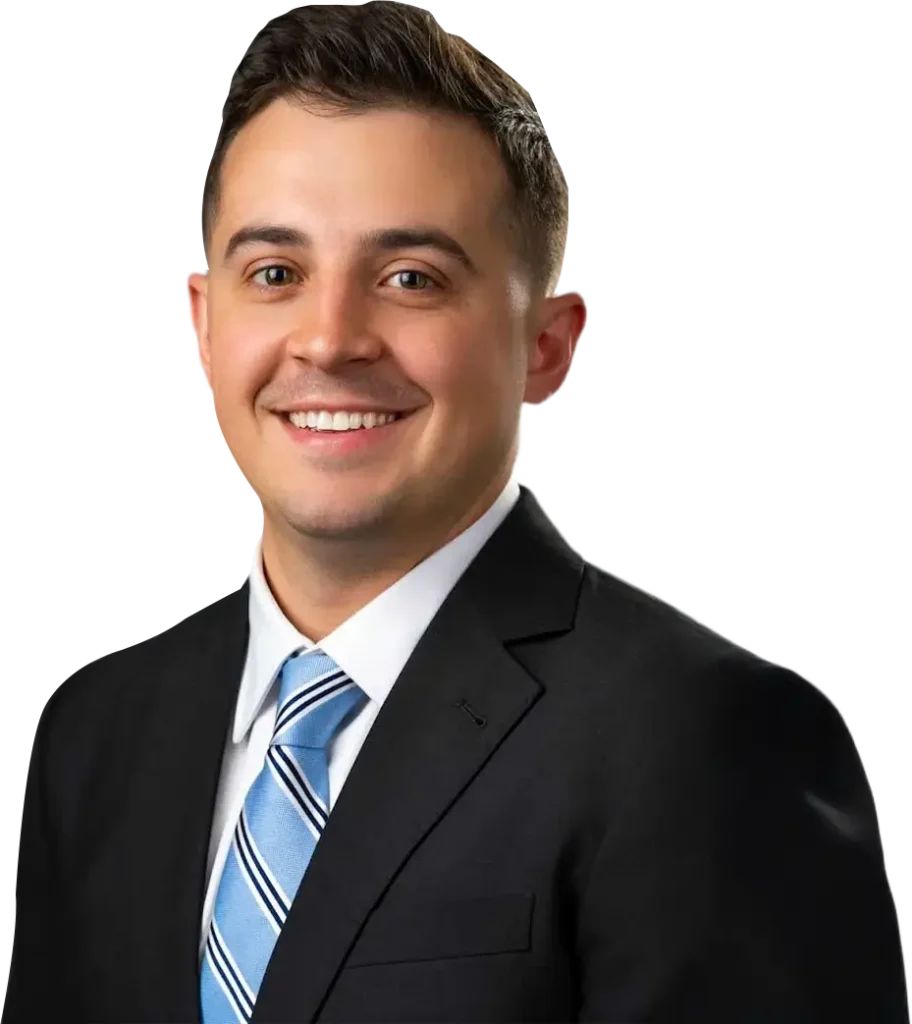
Every case is handled under the direction of Daniel J. Larson, whose background appears on his attorney profile. From the first conversation you work directly with a lawyer who will explain, with patience and discretion, how a claim like this works, who must bring it, and what to do and avoid while the case is open.
The first thing families are surprised to learn is who the law says may sue. One person has to be appointed to bring the claim, usually a spouse or an adult child. Opening the estate and getting that appointment is often the first practical step, and a lawyer handles it so the family is not dealing with court paperwork while grieving. Most families have never heard of this step, and nobody mentions it at the hospital or the funeral home.
None of that procedure is what the family feels in the moment. They feel the absence, the shock, and the fear of a future they did not plan for. Turning a loss into a fully documented, fairly valued claim, and dealing with the insurer so the family does not have to, is exactly what a lawyer is for, and it is why reaching out early, when it is hard even to think about it, matters so much.
One costly misunderstanding is that a criminal case, or an insurer’s first offer, will take care of things. It rarely does. A claim like this is separate from any prosecution, and an early number almost never reflects the lifelong value of the loss. Recognizing that the friendly early call comes from a company whose job is to limit what it pays is the first step to protecting what the family is owed.
What can be paid for is broader than most people expect. It takes in the income and services the person would have provided, the loss of their care, companionship, comfort, guidance and advice, the funeral and burial costs, and the person’s own conscious suffering before death. That last part is the one families least expect, because it accounts for what the person went through and not only for what the family lost. When that record is built with care, most claims resolve through negotiation.
The claim for the death and any claim for the person’s own injuries before death are handled together, by the same appointed person, so the family is not left running two separate fights.
What our clients say
Jeffrey K.
★★★★★
Attorney Larson or Dan as I refer to him now is a phenomenal lawyer who has turned into a friend. He is knowledgeable, smart, extremely thorough and aggressive. He knows the law and delivers fantastic results in a timely fashion. I consider him a great partner and someone I always want to have in my court/corner when I need legal guidance, and support.
Samantha N.
★★★★★
I can’t say enough wonderful things about Dan and his personal injury firm. I’ve seen firsthand how dedicated, knowledgeable, and compassionate he is. Dan is the type of car accident attorney who truly goes above and beyond—he communicates clearly, fights hard for his clients, and genuinely cares about getting them the best possible results.
Jamal B.
★★★★★
Dan and the whole team at Larson Law were super helpful and informative, they were able to walk me through the whole process of my case and they did everything to make sure that I received proper compensation for the incident that happened to me. And I am glad to say that I am very satisfied with the services provided to me by Larson Law. Great team!
Megan A.
★★★★★
Dan was amazing to work with after my car accident. He kept me updated the whole time, explained everything clearly, and always responded quickly. Great communication and a great outcome—highly recommend!
Johnny M.
★★★★★
Dan helped me with a car accident and it was so easy and he is very communicative and reallly helps you out with all he can! Thanks again Dan!
Sina A.
★★★★★
Dan is the Man. He helped me recover from my car accident and the communication and whole process was smooth sailing. Thank you Dan. God speed.
Lee L.
★★★★★
Attorney Larson of Larson Law Did a great job with my case.. I was in a auto accident in 2024 Attorney Larson took my personal injury case and in 2025 I received a maximum payout. Anytime I had a question or concern he was always available.

The court paperwork is ours to deal with, not yours.
- We pursue the full measure the wrongful death statute allows, not the low first number an insurer offers.
- We open the estate and have the personal representative appointed, so the claim is brought properly and on time.
- We identify every responsible party and every insurance policy, so a family's recovery is not left short.
- We prove the conscious suffering and the family's true loss with the medical record and the right experts.
- We handle the insurer and the defense with discretion, so a grieving family is not fighting them while they mourn.
- No fee unless we win
- Free, private case review
- Same-day response
- Honest advice from day one


A death claim is defined by the law, line by line.
Unlike most injury claims, this one is set out in writing. The law decides who may bring it, what can be paid for, and how long the family has. That takes a good deal out of an insurer’s hands.
Anyone whose carelessness causes a death answers for the value of that person to their family. Not the paycheck alone. The lost income and the practical help they gave, and also their care, their company, their comfort, their guidance and their advice, along with the funeral and burial costs. Families are often told a death claim is worth whatever the wages were, and that is simply not what the law says.
The money is recovered for the family the law names, and divided among them. A surviving husband or wife, the children or their descendants, or, where there is no spouse, the closest relatives. That is why one person has to be appointed and the estate opened before the claim can be brought properly.
There is a second, separate claim for what the person went through between the injury and death. A death is rarely instant, and the law treats the pain of those final hours as a harm in its own right.
Where the conduct was especially bad, an additional sum can be ordered on top. The family can still be paid as long as the person who died was not more than half responsible, with whatever is awarded reduced by that share. Insurers routinely blame the person who cannot answer, and meeting that with evidence is often the difference between a claim paid in full and one paid at a discount.
The deadline is three years from the date of the death. The practical deadline is far shorter. The scene changes, records are archived, and people who saw what happened move away or forget, all while a family is in no state to chase any of it.
None of this is limited to road crashes. A death caused by a faulty product, an unsafe building, a hazard at work, or a deliberate act can each be brought under the same rules.
The first weeks decide what can still be proved.
A death can follow from almost any serious incident a neighborhood produces, and how it happened shapes both the claim and who has to answer for it. Fast approach roads and bridge ramps carry the vehicle and truck crashes that account for many of these losses. Building work brings fatal falls and equipment accidents. Older buildings, a working waterfront and a busy nightlife each carry risks of their own. None of these are unusual events, which is part of why they keep happening in the same handful of places.
The cause and the setting shape the evidence and the response. A fatal crash on a highway or a bridge usually brings a state-level response and a formal reconstruction. A death at work brings a benefits claim and, often, a second claim against another company. A death caused by an attack brings the rules about unsafe premises alongside any criminal case. Knowing which set of rules governs, and gathering the records each one depends on, is part of building a claim on evidence rather than assumption, and it directly affects the income the family relied on and now must replace.
What happened points toward who is responsible. A fatal truck crash may involve a driver and the company behind the vehicle. A death on a building site may involve a main contractor or the maker of a machine. A death caused by a faulty product may involve a manufacturer. Matching the investigation to how the death actually happened, and to who had a duty to prevent it, is what separates a claim resolved fairly from one an insurer settles for far less.
The record built in the first weeks often decides the outcome. The police and agency reports, the evidence at the scene, the medical records documenting the injury and any suffering before death, and the accounts of people who saw it together establish how the death was caused and who is responsible. Securing that early, while memories are fresh, is frequently what defeats an attempt to shift blame onto the person who died. Families are rarely in any state to be gathering paperwork in those weeks, which is precisely why it falls to someone else to do it.
Local hazards concentrate certain causes. Bridges and highways produce fatal crashes. Building sites produce falls and equipment deaths. Older buildings and public spaces produce tragedies of their own. Reading which cause a case fits helps identify who has to answer, which rules apply, and the evidence that will decide the claim.
A single piece of proof can settle a disputed claim. A reconstruction, a workplace safety record, or an examination of a failed product can establish responsibility that would otherwise be denied. Because that evidence is best gathered early, moving with care but without delay is one of the most valuable things a family can do. Courts and the process for opening an estate vary from one county to the next, and knowing how the local ones work saves a family weeks it should not have to spend.
Most families want answers before they want money.
The loss of a person reaches into every part of a family’s life, and a full claim tries to account for all of it. The income and financial support they would have provided. The value of the work they did at home and the things they took care of. The companionship, guidance and care that cannot be replaced but that the law still recognizes as a real loss. The funeral and burial costs. What the person went through before death, and the grief the family carries. Most of those are things no family thinks to ask about, because nobody expects to be measuring them. A full and careful accounting of all of it is exactly what an insurer works hardest to keep down.
The stakes are as high as in any case the law knows, because what was lost cannot be restored and the financial consequences can run for decades. The gap between an insurer’s first offer and the true value of a life, in years of lost support and the loss of a parent, a partner or a child, can be enormous. Proving that value takes the medical record, the treating doctors, and often someone qualified to calculate what a working life would have been worth.
Facing the insurer alone is not a fair contest, least of all while grieving. The people handling these claims do it constantly and are practiced at an early low offer, a request for a recorded statement, and a quiet effort to blame the person who died before the family understands the claim. A lawyer who documents the full loss, brings the claim correctly, and refuses to move early is what levels that field, handled with the discretion a family in mourning deserves.
Building the record properly decides most of it, because proving responsibility and measuring the loss are the same work. How the death was caused, who had a duty to prevent it, and what the person meant, in support and in presence, to those who depended on them all turn on the evidence. That question, what a person was worth to the people who needed them, is not one an insurer asks at all.
Acting with care but without delay protects everything. The sooner the estate is opened, the evidence preserved and the loss documented, the better the outcome tends to be. Because more than one party and more than one policy can be involved, reaching every source of payment can be the difference between a limited result and a full one. A family’s loss should never be capped at whichever single policy is easiest to find.
Families often tell us that what they want first is not money but answers, to understand what happened and to know it will be taken seriously. Part of the work is to investigate fully, to explain honestly what the evidence shows, and to hold the responsible party to account, so that what is finally paid reflects both the financial loss and the dignity of the person who was lost.
None of this is something a grieving family should carry alone. A private conversation can explain who must bring the claim, what can be paid for, and what the case may realistically be worth, so decisions are made with information rather than under pressure in the hardest of times. There is no rush that a family has to feel, only work that has to happen quietly in the background. Fees are taken as a share of what comes in at the end, set out plainly before anything is signed.
Lost Income and Support
Loss of Companionship and Care
Conscious Suffering and Funeral Costs
Punitive Damages for Gross Negligence
A lawyer can do all three of these for the family.
Get the estate opened and appointed
A wrongful death claim must be brought by the estate's personal representative, so opening the estate and having that representative appointed by the probate court is the essential first step to take.
Preserve the scene and the evidence
The scene, the vehicle or equipment, the records, and the witnesses fade fast, so it is urgent to preserve the proof of how that death was caused and give no recorded statement before you have advice.
Speak with a lawyer before you file
An insurer will value a life low and a filing deadline is running, so before you accept any offer or sign a release, a free and fully private review shows what the claim is truly worth to your family.
- 5.0 stars out of 100+ reviews
The first call commits your family to nothing at all.
Nothing has to be decided on a first call. Tell us what you know so far, and we will explain who the law says must bring the claim, what the deadline actually is, and what can be preserved now that cannot be recovered later on. If your family then wants to go further, we open the estate, take the court steps, and deal with the insurer from there. If not, then you have lost nothing at all by asking us.
By submitting this form, you acknowledge that doing so does not create an attorney-client relationship. Please do not include confidential information. Contacting us does not obligate you to retain our services.
Our Clients.


Our Practice Areas.
Larson Law helps injured people and families across Massachusetts after a serious accident. If you were hurt by someone else’s carelessness in Boston, we are ready to listen and explain your options at no cost.
You are not expected to know any of this yet.
Who can bring a wrongful death claim?
In Massachusetts the claim belongs to the estate and must be brought by the personal representative, the executor or administrator, on behalf of the statutory beneficiaries. Opening the estate and having that representative appointed is usually the first step, and a lawyer handles it so the family does not have to.
Who receives the money from the claim?
The damages are recovered for the statutory beneficiaries and divided among them: a surviving spouse, the children or their issue by right of representation, or, if there is no spouse, the next of kin. The law sets the shares, which is one reason the estate must be opened correctly.
What can a wrongful death claim recover?
It can recover the loss of the person’s expected income and services, and the loss of their care, companionship, comfort, guidance, and counsel, along with funeral and burial costs and the person’s own conscious suffering before death. Punitive damages are available where the conduct was grossly negligent.
Is a wrongful death claim the same as the criminal case?
No. A wrongful death claim is a separate civil matter with a lower burden of proof, and it can proceed whether or not anyone is criminally charged or convicted. The criminal case punishes the offender; the civil claim compensates the family for the loss, and the two run independently.
How long do we have to file?
A wrongful death claim generally must be brought within three years of the date of death, or from when the personal representative reasonably should have discovered the cause. Because evidence fades and opening the estate takes time, the practical deadline is far shorter, so acting early protects the claim.
What are punitive damages, and when do they apply?
Punitive damages of at least five thousand dollars are available under the wrongful death statute where the death was caused by gross negligence or by malicious, willful, wanton, or reckless conduct. They are meant to punish especially bad conduct, and proving it can add significantly to a family’s recovery.
Can we recover for our loved one's suffering before death?
Yes. Massachusetts allows the estate to recover for the conscious suffering the person endured between the injury and death, separately from the family’s loss. Because a death is rarely instant, documenting those final hours through the medical record is an important part of the claim.
The insurer offered a settlement quickly. Should we accept it?
Be very careful. Insurers often make a fast, low offer before a family understands the claim, and accepting it closes the case for good. A free review of the offer against the true, lifelong value of the loss shows whether it is anywhere near fair before you sign anything.
What if our loved one was partly at fault?
You can still recover. Massachusetts comparative negligence lets the family recover as long as the person who died was not more than half at fault, with any award reduced by that share. Insurers routinely overstate the decedent’s fault, so answering that with the evidence is central to the case.
What kinds of incidents lead to a wrongful death claim?
A fatal vehicle or truck crash, a fatal fall or workplace accident, a death from a defective product, or a death caused by an assault or unsafe property can each support a claim. The cause sets the legal framework, but the loss and the need for accountability are the common thread.
Do we need a lawyer for a wrongful death claim?
For a loss this serious, almost always. The claim must be brought by the estate, the damages are broad and easy to undervalue, and the insurer works to minimize the loss from the start. Your own advocate opens the estate, proves responsibility, values the loss fully, and lets the family grieve.
What does hiring you cost?
Nothing upfront. These cases are handled on a contingency fee, so you owe no attorney fee unless we recover for you, and the first consultation is free and private. That lets a family pursue the full value of their loss, and hold the responsible party accountable, without any financial risk.
Results Disclaimer: Past case results, settlements, and verdicts mentioned on this website do not guarantee or predict a similar outcome in any future case. Every case is unique and depends on its own facts and legal issues.