
Brockton Motorcycle Accident Lawyer
Injury claims also cover damaged riding gear and motorcycles.
Receipts, repair estimates and photographs prove what the helmet, jacket and motorcycle were worth. Scrapes and gouges on damaged gear also reveal how that crash actually unfolded.
- No fee unless we win
- Same-day response
- Free case review
As Seen On:












Hospital bills and bike repairs get handled during those first weeks.
Drivers who hit motorcyclists almost always tell police the same thing, that the bike seemed to appear from nowhere. That statement admits a failure to look, since a headlight and a rider in the lane were visible all along. Downtown traffic, plaza exits and highway ramps around this city give drivers plenty of moments to glance and miss. Officers occasionally copy that excuse into their report word for word, treating it almost like a final answer. Instead it marks where careful work begins, with sightlines, timing and the position of each vehicle before impact. Proving a driver should have seen the rider turns a common excuse into an admission that supports recovery.
Riders also carry a reputation that follows them into every claims office, the assumption of speed and recklessness. Claims handlers lean on that stereotype quietly, probing engine size, riding experience and any history of racing. Jurors may hold the same picture of motorcyclists until evidence replaces it with the real sequence of events. Most riders around here are commuters, tradespeople and weekend enthusiasts who know their machines and ride carefully. Answering bias means showing a steady speed, a lawful lane position and a driver who simply never yielded. Handled that way, the stereotype loses its grip long before settlement talks or a courtroom ever arrive.
Compensation after a motorcycle crash reaches beyond hospital bills, although those usually form the biggest piece. Every missed paycheck, each future surgery and long months of painful recovery belong inside the written demand. Property counts too, starting with the motorcycle itself, whether repairs make sense or the frame is beyond saving. Riders need new helmets after any serious blow, even when the outer shell shows barely a scratch. Shredded jackets, gloves and boots go on that same list, each with its purchase price. Listing each item with proof of its value keeps those losses from quietly disappearing during negotiation.
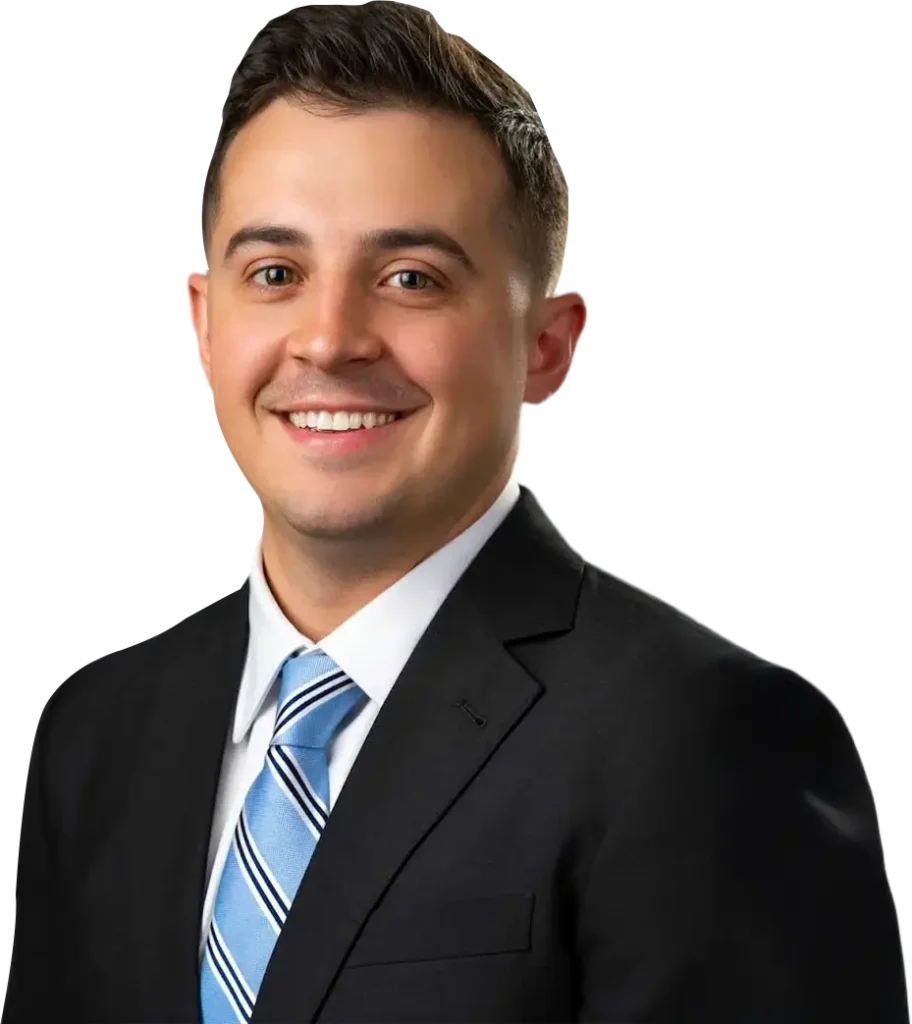
Hands-on oversight of each motorcycle file comes from Daniel J. Larson, counsel exclusively for injured clients rather than insurers. Clients reach the attorney handling their case rather than cycling through a call center or rotating assistants. Riders hurt here benefit from groundwork similar to that used for motorcycle injury claims in the nearby capital, adapted to these roads. Plain-language updates follow every development, unwelcome news included, so nobody wonders what became of their file. Choosing whether to settle remains with each rider after a candid talk covering strengths, weak spots and probable timelines.
Initial steps follow a fixed order because motorcycle evidence vanishes quickly from busy commuter roads. Damaged bikes go to tow lots and salvage auctions within weeks unless someone asks the yard to keep them intact. Nearby businesses with cameras facing the intersection receive written requests before their recordings overwrite themselves. Insurance information for every vehicle involved gets confirmed, along with any coverage the rider carries on other vehicles. Treatment stays the rider’s main job, since every appointment documents pain, limits and progress. Recorded statements to the other motorist’s insurance company wait until the rider has talked with counsel.
What our clients say

Riders get every available insurance policy located, including household coverage.
- We handle motorcycle crash injury claims for injured clients across Brockton and the surrounding area.
- We deal with the insurers directly so you are not pressured into an early, low settlement.
- We move quickly to preserve the evidence that proves both fault and the full extent of the harm.
- We know the rules that shape these claims and the ways insurers try to limit what they pay.
- We build each claim on medical proof and documentation, not on a rushed call with an adjuster.
- No fee unless we win your case
- No upfront costs
- Direct attorney access throughout
- Free, no-pressure case review


Missing helmets never cancel an injured rider's case.
Injured car occupants here normally draw early medical payments from their own auto policy, no matter who erred. Motorcycle policies leave that coverage out, so an injured rider starts without the cushion most drivers take for granted. Riders’ health plans therefore pay for emergency care, surgery and therapy while blame is still being argued. Those health plans often expect repayment from any eventual settlement, and that lien has to be negotiated before closing. Everything else gets paid mainly through the careless motorist’s liability policy, so proving fault anchors the whole effort. Riders without health coverage face hard choices, and early planning helps line up treatment that will still get paid.
Every motorcycle operator and passenger here needs an approved helmet, a requirement that shapes many arguments after crashes. Riding bareheaded never cancels a claim against a careless motorist whose mistake triggered the collision. Defense lawyers instead argue that head trauma would have been milder had the rider worn proper headgear. That argument touches only head and brain damages, leaving fractures, road rash and other injuries untouched. Medical records often show the impact would have caused serious harm regardless, which weakens the defense considerably. Riders who did wear helmets should keep the damaged one, because its scrapes and cracks prove compliance and absorbed force.
Opposing insurance companies routinely claim the rider shares responsibility, citing speed, lane position or a dark jacket. Partial blame does not end things, because the rule for dividing fault simply trims recovery by the rider’s percentage. Only a rider carrying more blame than all other parties combined loses the right to collect anything. Careful proof of the motorist’s own mistakes usually shrinks that percentage or erases it.
Severe motorcycle injuries routinely exceed the minimum policy limits many drivers here choose to carry. When the careless driver’s coverage runs out, riders can turn to their own coverage for drivers carrying too little insurance, if purchased. Motorcycle policies sometimes carry lower optional limits than household car policies, so every declarations page needs checking. Every insurer involved should hear about the wreck quickly, which keeps that second payment source open. Claims made to a rider’s own insurance company still require proof, cooperation and attention to notice requirements.
Riders on the rear seat bring separate claims.
Someone riding behind the operator usually bears no responsibility for how the motorcycle was steered or braked. That position gives a rear-seat rider a strong claim against any careless motorist, as our page about people hurt while riding along explains. Claims may target the other motorist, the motorcycle’s operator, or sometimes both at once, depending on events. Friends and spouses often hesitate to name the operator, though payment would come from insurance, not family savings. Rear-seat riders also fall hard, often thrown farther than the operator because they hold on with less grip.
Second riders frequently suffer crushed legs, pelvic fractures and head trauma from being launched. Each available policy, including the operator’s own motorcycle coverage and any household car policy, gets reviewed for payment. Separate claims sometimes compete for limited coverage, which makes early review of every policy especially important. Clear records of where each rider sat and how each one was thrown help keep the two claims distinct.
Road surfaces and paint transfer settle disputed facts.
Physical damage on a motorcycle records the direction, angle and rough force of the collision in metal and plastic. Crushed forks, bent rims and scraped engine covers reveal whether the bike was struck head-on or from the side. Paint transfer from the other vehicle can place the point of contact precisely and disprove a driver’s version. Gear tells its own story, since abrasion patterns on a jacket show which way the rider slid. Nothing should be repaired, washed or discarded, because that damage record matters for later review.
Helmet and handlebar cameras have become common, and their footage can settle disputes within seconds. Pulling the memory card immediately matters because some cameras loop and record over older files automatically. Road surface evidence matters as well, including potholes, loose gravel, fresh tar and uneven pavement edges. Pictures snapped soon afterward capture conditions that a sweeper or paving crew may erase within days. Gouges in the asphalt also show where the motorcycle went down and how far it slid.
Many collisions involve a car turning across the rider’s path at an intersection or plaza entrance. Turning drivers usually bear responsibility, as our material on crashes where drivers cut across oncoming traffic describes in detail. Proof includes the car’s final resting position, damage to its front corner, and signal timing data where available. Bystanders stopped at the light often watched the turn begin and can say whether the driver hesitated. Traffic camera and dashboard recordings from nearby vehicles complete the picture when they exist.
Commuter ramps and crowded plaza exits challenge motorcycle riders constantly.
Westward, a divided state highway skirts the city, carrying commuters north toward the capital and south toward the coast. Its interchanges were built decades ago, with ramps so short that merging drivers often have only seconds to match speed. Motorcycles accelerating up those ramps meet trucks and cars that rarely shift lanes to make room. Drivers exiting at speed sometimes cut across the right lane at the last moment, catching riders in the gap. Debris from those collisions often scatters across several lanes, which makes photographs from that first hour especially valuable. State troopers usually investigate those collisions, and their reports supply early measurements and witness details.
Several numbered state routes converge downtown, crossing one another near the old business district. Traffic signals sit close together, so drivers rush yellow lights and turn across lanes without signaling. Buses, delivery vans and parked cars narrow sightlines, hiding a motorcycle until a driver has already committed to a turn. Riders heading through the center at commuting hours face pedestrians, double parking and frequent lane shifts in tight spaces. State rankings have placed several of these intersections among the most dangerous crossings in the region. Those rankings help prove the danger was known, though fault still hinges on what each driver chose.
A long commercial strip carries shoppers past plazas, gas stations, fast food outlets and a large enclosed mall. Each plaza driveway invites a driver to pull out or turn in, often while watching for cars rather than motorcycles. Riders traveling the curb lane meet vehicles nosing out between parked trucks and landscaped islands that block the view. Weekend shopping traffic multiplies those conflicts, especially near the mall entrances during holiday seasons. Business owners sometimes control driveway design, signage and hedges, which can widen the list of responsible parties. Store cameras pointed at parking lots frequently catch the exit lane, and their recordings are often worth requesting quickly.
Wide avenues with four or more travel lanes cross the city, and drivers on them change lanes quickly and often. A motorcycle occupies only a narrow slice of a lane, so a hurried glance in a mirror can miss it completely. Twice daily, commuters bound for the train station or the highway add pressure, and tempers shorten. Sudden braking ripples backward through those lanes whenever signals change. Year-round commuting riders know these roads well, yet experience cannot protect against a driver who never checks. Turn signals used late or never leave riders with no warning before a car moves over.
One large public park within the city offers winding roads, ponds and shaded curves that draw riders on warm evenings. Those curving roads mix motorcycles with joggers, cyclists, families and sightseeing drivers who watch the scenery. Narrow lanes leave little room when a car drifts wide on a bend or backs out of a parking area. Several motorcycle dealers and repair shops serve the area, so many riders test new or freshly serviced bikes nearby. Service records from those shops can prove the motorcycle was in good working order beforehand. A recent tune-up or tire replacement also answers any suggestion that mechanical neglect caused the rider to fall.
Spring brings its own danger once the snow melts, leaving sand and gravel spread across intersections and curves. Plows and winter sanding trucks deposit that grit, and sweeping crews do not always reach every street promptly. A motorcycle tire crossing loose gravel in a turn can lose grip instantly, putting a careful rider down. Claims involving unsafe pavement or debris left on the road follow separate rules and tight notice periods whenever a public body bears responsibility. Bikers hurt in a smaller city farther south along the same highway can read about motorcycle claims in that neighboring community separately. Riders should photograph the gravel, the curve and nearby storm drains before sweepers return.
Careful medical records show insurance companies what injuries truly cost.
Road rash ranks among the most common motorcycle injuries, ranging from surface abrasion to wounds reaching muscle and bone. Deep abrasions require cleaning under anesthesia, repeated dressing changes and sometimes skin grafts taken from another body area. Donor sites for those grafts become painful wounds themselves, adding another scar and another stretch of healing. Infection remains a real risk for weeks, especially when gravel or fabric fibers were ground into torn skin. Snapshots taken throughout healing show insurance companies what dry chart notes never convey. Wound care notes, graft records and pharmacy receipts then document how long recovery lasted and what treatment demanded.
Legs absorb tremendous force in a motorcycle crash, often pinned between the frame and a striking bumper. Tibia and femur fractures frequently require rods, plates or external fixators, followed by months of limited weight bearing. Pelvic fractures can damage nearby organs and blood vessels, demanding extended hospital stays and slow rehabilitation. Hardware sometimes needs removal later, which means another operation, another recovery period and more missed work. Orthopedic recovery is described further in our material on serious fractures and their treatment, including effects on work and household routines. Surgical reports, imaging studies and physical therapy notes together trace each phase of treatment and its limits.
Spinal injuries happen when a rider strikes pavement, a curb or a vehicle at a twisting angle. Compression fractures, herniated discs and nerve damage may cause pain, numbness or weakness lasting long after hospital discharge. Gravest of all are cases involving damage to the cord itself, with permanent paralysis or lost function below that level. Imaging, neurology consultations and records of mobility aids establish the injury and its permanence. Ramps, grab bars or wider doorways sometimes become necessary after lasting spinal damage. A formal life care plan may be needed to project expenses for later surgeries, equipment and home assistance.
Brain injuries occur even with a helmet, because the brain moves inside the skull during sudden deceleration. Headaches, memory lapses, irritability and poor focus sometimes emerge only after several days at home. Unless the rider reports every change to a doctor, a brain injury of this kind often goes undiagnosed for months. Relatives and coworkers can describe personality or performance changes that the injured rider overlooks. Neuropsychological testing then compares memory, attention and reaction speed with age-based norms.
Scarring from road rash, surgery and grafts can remain visible for life, particularly on arms, legs and the face. Some require revision procedures, laser treatment or pressure garments worn for months to reduce thickening. Sun exposure and tight clothing can irritate healing skin, forcing riders to change routines through entire summers. Additional information about lasting marks and disfigurement explains how permanent changes in appearance affect compensation. Dated pictures collected throughout healing show how the scars developed and how they look once treatment ends. Statements about self-consciousness, clothing choices and avoided activities help capture the personal effects of visible injury.
Property losses need the same careful records as injuries, starting with the motorcycle and its aftermarket parts. Repair estimates, salvage valuations and purchase receipts establish the motorcycle’s value before that ride. Custom exhaust systems, saddlebags, lights and seats add value that a standard valuation guide may overlook. Each helmet, jacket, glove, boot and pair of protective pants should be photographed and listed with receipts or online prices. Lost income gets documented through payroll records, employer letters and tax returns, including overtime missed while healing. A simple journal of appointments, mileage and daily limitations connects each loss with the wreck itself.
Medical Bills and Future Care
Lost Wages and Earning Capacity
Pain, Suffering, and Hardship
Wrongful Death of a Loved One
Quick treatment protects health, while preserved evidence proves fault.
Get medical care and document crash
Get checked at an emergency room right away, even when the pain seems minor. Describe exactly how the crash happened, and photograph both vehicles, your gear, your injuries and the scene as it stands.
Talk to a lawyer before proof fades
Crash footage can vanish fast. Call us or fill in the form, and a lawyer reviews the facts, assesses who was at fault, checks every insurance policy that may pay, and explains your options from there.
We build the strong fault case here
We build the fault case, gather the evidence, deal with the insurer directly, pursue every source of coverage, and manage every legal deadline from start to end while you focus fully on your recovery.
- 5.0 stars out of 100+ reviews
Phone calls reach an attorney directly, without layers of staff.
Riders injured around this city can call or message to describe the collision. Telling the story once, with photographs and any paperwork, gives the attorney enough to explain realistic options. Our wider work on injury claims across the region supports each local motorcycle case with experience drawn from many collisions. Replies arrive quickly, written in everyday language, with no one pushed into signing papers.
By submitting this form, you acknowledge that doing so does not create an attorney-client relationship. Please do not include confidential information. Contacting us does not obligate you to retain our services.
Our Clients


Our Practice Areas.
Larson Law helps injured people and families across Massachusetts after a serious accident. If you were hurt by someone else’s carelessness, we are ready to listen and explain your options.
Injured motorcyclists raise these practical questions again and again.
Why does my own policy not pay my early medical bills?
Motorcycle policies leave out the early medical and wage coverage that car policies carry, so an injured rider starts without that cushion. Health insurance usually covers treatment first, and the careless driver’s liability policy, plus any coverage the rider bought for drivers with too little insurance, answers for the full harm.
Does that missing coverage change how my claim is handled?
It changes where the money comes from, not your right to recover. With no automatic early payment, finding every liability and household policy quickly matters more, and keeping careful medical records is essential to getting those bills paid in full when the claim settles.
What if I was partly at fault for the crash?
Yes, riders who share some blame still collect money from the careless driver, though less than full value. Each rider’s portion of fault trims the award, and payment ends entirely once that portion exceeds half. Insurance adjusters often exaggerate a rider’s share, so clear evidence about speed, lane position and the driver’s turn matters greatly.
Do I have to wear a helmet, and does it affect my claim?
Yes, everyone aboard a motorcycle here, whether steering or riding behind, needs approved headgear for every ride. Riding without one never wipes out a claim against the motorist responsible for that collision. Insurers may contend that headgear would have softened the head injury, and medical evidence answers that point so recovery for it is not unfairly reduced.
What is different about a crash at highway speed?
Crashes at highway speed tend to be far more severe, and a motorcyclist has no protection. That usually means catastrophic injuries, more complex reconstruction and larger insurance stakes, so preserving the scene, the motorcycle, the riding gear and any camera footage early is especially important for the claim.
What evidence matters most after a motorcycle crash?
The crash report, the position and damage of the vehicles, skid marks, any dash or traffic-camera footage, and your medical records together show what happened and how serious the injuries are. Much of it fades fast, so acting quickly to preserve that evidence often decides the claim.
What if the driver who hit me had no insurance?
You may still recover through your own uninsured or underinsured motorist coverage, which can pay when the at-fault driver has no insurance or too little. Finding every applicable policy, on your motorcycle or auto coverage, is one of the first things we do, because it is often the key to recovery.
How long do I have to file?
Riders usually must start any motorcycle injury suit within a fixed period counted in years from that collision. Cases against a town, city or public agency, such as one involving a dangerous road defect, require written notice much sooner. An early consultation leaves enough time to find every responsible party, gather proof and file on schedule.
Can I recover if a car turned left in front of me?
Usually yes, and often strongly. A driver turning left across a motorcycle’s path must yield, and failing to see or account for a rider is a common, provable form of negligence. These I-never-saw-the-motorcycle crashes are among the most winnable, because the fault sits with the turning driver.
Where are these cases filed in court?
Larger motorcycle cases usually go to the superior court in a county where one of the parties lives or does business, while smaller claims go to a nearby district court. Where a case belongs depends on its value and the parties involved, and the filing and every court deadline are handled for you.
Do you take cases from the towns around this city?
Yes. We represent injured riders from this city and the towns around it. Wherever the crash happened, the same evidence-driven approach applies, and we coordinate with insurers, repair shops and medical offices so that your treatment and recovery stay the priority while the claim is built.
What should I do right after a motorcycle crash?
Get medical attention right away, even if you feel okay, because serious injuries can be masked at first. Then, if you safely can, document the scene and get the other driver’s information. Prompt treatment and early evidence protect both your health and the strength of your claim.