Suits over motorcycle injuries usually must be filed inside three years. A child usually gets more time. Public bodies, including towns and transit agencies, must hear from you in writing much sooner. Footage, the damaged bike, and memories of the crash fade fast, so a prompt call keeps the case strong.
Lowell Motorcycle Accident Lawyer
Video and skid marks can prove the rider was not speeding.
Insurers love to cut a rider’s recovery by blaming speed. Nearby cameras, crash damage, and witness accounts often show the rider was moving with traffic at a safe and steady pace.
- No fee unless we win
- Same-day response
- Free case review
As Seen On:











After a driver's mistake puts you in the hospital, a Lowell motorcycle accident lawyer can build your case.
A motorcycle gives its rider no roof, no doors, and no airbag. The moment a car and a bike collide, every bit of force lands on the rider, who often slides across pavement at speed. A lower-speed crash can still shatter a leg, tear away skin, or injure the spine and brain.
Riders also lose a safety net that car drivers keep. Car insurance’s built-in medical benefits do not follow you onto a bike. The opening bills go to your health plan, plus any optional medical protection on the bike’s policy, with the careless motorist responsible for the rest.
Plenty of crashes begin with a driver who looks without really seeing. A car cuts across the bike’s path, slides into its lane, or rolls out of a driveway. Whichever move it was, the blame belongs to the driver, whatever excuse follows.
Adjusters often expect juries to dislike riders. Speed, weaving, and dark gear become the usual scapegoats, even when the crash came from the driver’s mistake. Our answer to those claims is proof: camera video, crash damage, road marks, and what witnesses saw.
Adrenaline can hide pain for hours once a rider hits the ground. Standing up and walking away proves little, because a cracked vertebra, a torn knee ligament, or a brain injury can stay hidden at first. A same-day trip to urgent care spots hidden damage before it worsens, and the chart it creates links each injury to the ride.
Someone riding on the back seat has a claim apart from the rider’s. Based on who erred, that claim may name the careless motorist and sometimes the rider too. Being the rider’s friend or spouse does not shield the rider’s insurance from a claim.
A helmet camera, a phone mount, or a riding app can hold key data about speed and position. Save the helmet, jacket, and damaged gear without cleaning or repairing them. Worn and cracked gear shows where the impact landed and how hard.
Thin policies are common among local drivers, and some drivers carry none. Uninsured coverage on your motorcycle policy can pay in that case, and underinsured coverage helps once the other driver’s limits are used up. Each policy gets reviewed before an offer is considered.
Custom parts, torn riding gear, and the bike itself are recoverable as well. An adjuster’s first estimate often leaves out aftermarket upgrades, so receipts and photos matter. Any helmet that took a hit should be replaced, even if it looks fine.
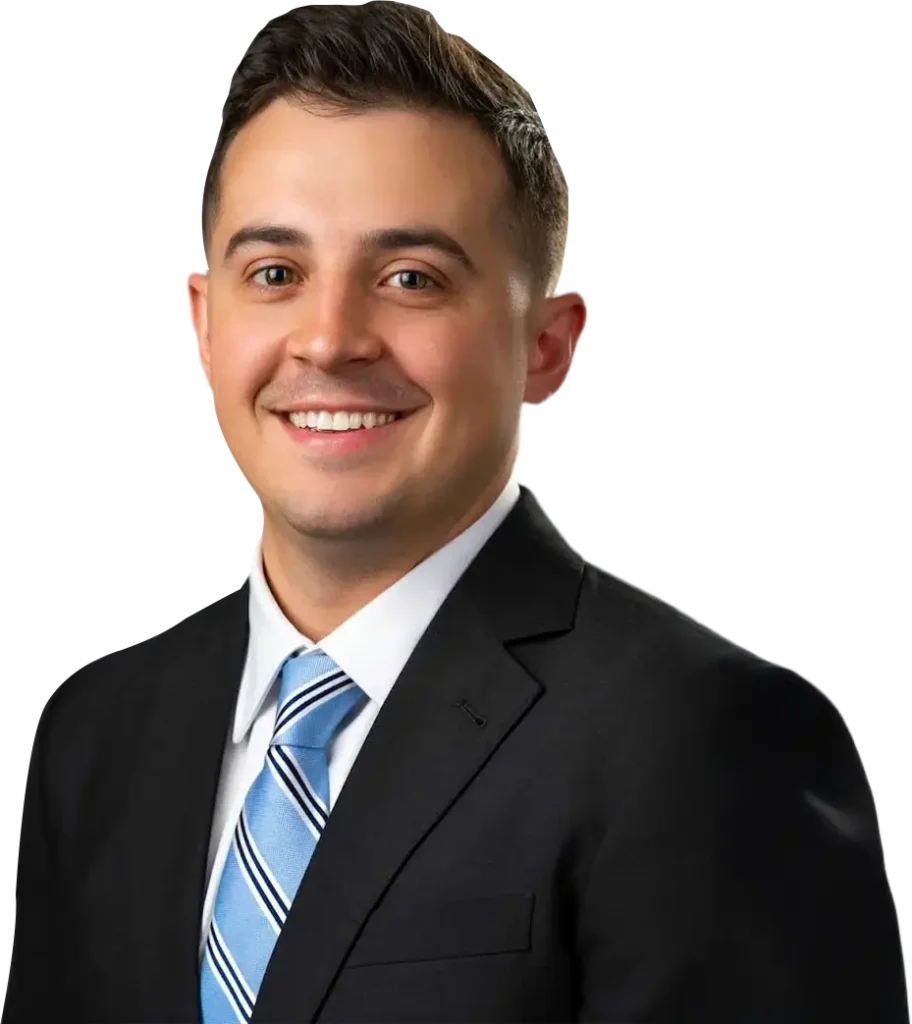
Daniel J. Larson keeps a hand in every motorcycle claim, with staff who know how a bike reacts when it is hit. Only injured people hire us, because our practice serves people harmed by someone else’s driving. Plain answers and steady updates come with every case.
A Lowell crash that leaves you hurt is worth a call right away. An early start preserves video, guards each deadline, and records your account first. Every week of waiting lets the insurer shape the story a little more.
What our clients say
Jeffrey K.
★★★★★
Attorney Larson or Dan as I refer to him now is a phenomenal lawyer who has turned into a friend. He is knowledgeable, smart, extremely thorough and aggressive. He knows the law and delivers fantastic results in a timely fashion. I consider him a great partner and someone I always want to have in my court/corner when I need legal guidance, and support.
Samantha N.
★★★★★
I can’t say enough wonderful things about Dan and his personal injury firm. I’ve seen firsthand how dedicated, knowledgeable, and compassionate he is. Dan is the type of car accident attorney who truly goes above and beyond—he communicates clearly, fights hard for his clients, and genuinely cares about getting them the best possible results.
Jamal B.
★★★★★
Dan and the whole team at Larson Law were super helpful and informative, they were able to walk me through the whole process of my case and they did everything to make sure that I received proper compensation for the incident that happened to me. And I am glad to say that I am very satisfied with the services provided to me by Larson Law. Great team!
Megan A.
★★★★★
Dan was amazing to work with after my car accident. He kept me updated the whole time, explained everything clearly, and always responded quickly. Great communication and a great outcome—highly recommend!
Johnny M.
★★★★★
Dan helped me with a car accident and it was so easy and he is very communicative and reallly helps you out with all he can! Thanks again Dan!
Sina A.
★★★★★
Dan is the Man. He helped me recover from my car accident and the communication and whole process was smooth sailing. Thank you Dan. God speed.
Lee L.
★★★★★
Attorney Larson of Larson Law Did a great job with my case.. I was in a auto accident in 2024 Attorney Larson took my personal injury case and in 2025 I received a maximum payout. Anytime I had a question or concern he was always available.

Bikers call our firm since we push back when an insurer blames the bike.
- We handle motorcycle crash injury claims for injured clients across Lowell and the surrounding area.
- We deal with the insurers directly so you are not pressured into an early, low settlement.
- We move quickly to preserve the evidence that proves both fault and the full extent of the harm.
- We know the Massachusetts rules that shape these claims and the ways insurers try to limit them.
- We build each claim on medical proof and documentation, not on a rushed call with an adjuster.
- No fee unless we win your case
- No upfront costs
- Direct attorney access throughout
- Free, no-pressure case review


Traffic and insurance rules treat motorcycle riders differently from car drivers.
The early medical benefits that come with car insurance here stop short of motorcycle riders. A rider’s first bills go to a health plan, or to optional medical coverage on the bike’s policy if the rider bought it. Because riders sit outside that system, the rule that limits pain claims after minor injuries generally does not hold them back.
Riders have the right to use a full lane, the same as any car. Drivers may not squeeze into that lane beside a bike, and passing too close can cause a rider to lose balance. Two riders may share a lane side by side, but a car may not force its way in.
A missing license endorsement does not on its own show who started the wreck. Adjusters bring it up anyway to steer attention off the driver’s own error. How the collision unfolded is the real question, not what was in the rider’s wallet.
Before switching lanes, drivers owe riders a look over the shoulder and in every mirror. A bike’s small size is no excuse, because careful drivers expect riders on every road. Merging straight into a rider shows that look never happened.
State rules require an approved helmet on anyone aboard a motorcycle. Helmet use has no bearing on which driver caused the wreck. Adjusters may still claim a helmet would have softened a head injury, which doctors can often rebut.
Both people on the road sometimes make a mistake. Recovery survives if the motorist’s carelessness matched or topped the rider’s, and the rider’s portion is subtracted. At more than half the fault, the rider cannot collect from that motorist.
Uninsured coverage is required on motorcycle policies here. That protection responds to hit-and-runs and uninsured drivers. Riders can also buy underinsured coverage, which helps once the driver’s limits are spent, and a relative’s policy in the same home may help.
A black box in many newer cars logs speed, braking, and steering just before a collision. Repairs or scrapping can wipe that data out, so we send a letter asking the owner and insurer to keep it. That record often reveals a motorist who never touched the brakes.
A crash injury suit generally has three years to begin. Riders under eighteen usually get extra time, since their clock tends to start at adulthood. Towns and public agencies must be notified much sooner.
Potholes, loose gravel, and uneven pavement are far more dangerous to a bike than to a car. The town or state in charge of upkeep may answer for a crash that a road defect caused. Thirty days is a common notice window for those claims, and public payments stop at a legal ceiling.
Riding in a pack raises its own dangers. A fellow rider who brakes without warning or drifts into a friend’s path may owe for the injuries that result. That rider’s motorcycle policy may pay the claim, even when everyone involved is a friend.
Now and then the motorcycle itself fails. Blown tires, fading brakes, or a sticking throttle may point to the company that built or serviced the part. Keep the motorcycle unrepaired until an expert has looked at it, since the failed part is the key proof.
Riders struck by someone who speeds away start without anyone to name. Reporting the crash to police quickly keeps the uninsured claim open, since many policies require prompt notice. Nearby video and the names of bystanders sometimes lead back to the missing driver.
Wrecks that involve a public transit bus follow separate rules for public agencies. Inside two years, the agency’s chief officer needs a written claim, and a suit usually cannot start until six months pass or the agency answers. Every other possible source becomes important, since public payments are capped.
The motorcycle’s damage is claimed apart from the injury case. Fixing the motorcycle, or paying fair value when it is beyond saving, is the at-fault motorist’s job, and documented upgrades count too. Collision protection you bought for the bike can pay faster, after which your insurer chases the other side for the money.
Loose gravel, steel road plates, and grooved pavement at work sites can knock a bike off its line. Crews doing road work must post warnings and keep the surface safe. Any contractor that ignored those duties may be named next to any careless driver.
A borrowed bike leaves the claim against the careless driver intact. The borrowed bike’s insurance may add medical or uninsured protection, on top of coverage held by relatives at home. Our office figures out the order in which the policies pay.
The driver’s choices get measured against these rules point by point. Footage, stored car data, and dents on both machines usually make any shortfall plain.
Brick streets, grated bridges, and river curves make riding here dangerous.
Older streets downtown still carry brick, patched asphalt, and pieces of old rail track. A car rolls over those seams without a thought, but a motorcycle tire can slip or catch on them. A tailgater gives a rider no chance to steady the bike.
Several bridges over the river and canals have metal grate decks. Those grates pull at a bike’s tires and turn slick when wet. Drivers who crowd a rider on a grated bridge take away the space the rider needs to stay upright.
The winding river roads draw riders every warm weekend. Curves along the water hide oncoming traffic, and a motorist who swings wide or drifts past the double yellow can meet a rider head on. Weekend sightseers add drivers who watch the view instead of the lane.
Riders heading onto the interstate share the ramps with fast commuter traffic. Drivers merging onto the highway often check for cars and miss motorcycles, and drivers coming off the ramps may carry too much speed. A rider squeezed between merging cars has only a second or two to react.
Busy retail roads near the edge of town are lined with parking lot entrances. Drivers turning into lots watch for a gap in car traffic and misjudge how fast a bike is coming. Crashes at those entrances fill a big share of our riding cases.
Spring brings sand and gravel left from winter at corners and along road edges. Frost also opens new potholes, faster than crews can fill them. A town that knew about a dangerous road hazard and did nothing may share the blame, though notice rules are strict.
After a long winter, drivers stop expecting motorcycles. The first warm weeks of spring bring a burst of crashes as riders return and drivers fail to adjust. Failing to look for a motorcycle leaves the driver fully responsible.
Near the campuses, streets fill with young drivers, delivery scooters, and pedestrians. Their attention often drifts to phones and street signs. A rider threading through that traffic needs drivers to look twice, and many do not.
Delivery trucks double-park and pull out again all day on downtown blocks. Their mirrors miss a motorcycle tucked behind or beside them, and a sudden swing into the next lane can catch a rider off guard. The truck’s owner answers for its driver’s mistakes.
Riding at dusk and after dark brings extra danger. A single headlight, glare, and dim streetlights make a bike’s speed hard to judge, yet careful drivers slow down and look harder.
Downtown parking lines both sides of many streets. A car easing out of a space or a door swinging open can box a rider in. Riders are entitled to the lane, and parked drivers must look before they move.
Riding season is short here, so many riders take long trips on the same busy weekends. Group rides and bike nights add more motorcycles to local roads, and drivers who are not used to seeing so many riders make more mistakes.
Summer storms bring up oil that builds on the pavement during dry weeks. The first rain makes painted lines and crosswalks slick under a motorcycle tire. Drivers who follow too close in the rain leave a rider no margin at all.
Clues about the crash survive at most of these locations for a short while. Businesses along the strips have cameras, signals keep timing logs, and road crews log repairs and complaints. That proof gets collected early, and we travel the route when needed to check each driver’s view. With that groundwork, blaming the rider becomes much harder.
Motorcycle crash claims can recover the cost of surgery, missed paychecks, and wrecked gear.
Pavement can strip away layers of skin in a slide, and cleaning those wounds may take surgery, grafts, and weeks of dressings. Deep abrasions often leave lasting scars and invite infection. Every graft and dressing change, plus scar treatment years later, is part of what the driver owes.
The heaviest blows in a motorcycle crash land on legs, ankles, wrists, and collarbones. Many breaks need plates, rods, or more than one surgery, followed by months of therapy. Some riders never regain full strength or motion, and the claim must reflect that lasting loss.
Plates and rods placed after a bad break sometimes have to come out in a later surgery. Arthritis can set in years later at a damaged joint, so a surgeon’s written opinion helps account for that later treatment.
Helmets reduce the danger, yet a brain injury that clouds memory and mood can still follow. Riders thrown onto their backs can hurt the spinal cord, and an amputation can follow when a hand or foot is crushed. Harm on that scale is life-changing, so experts help us price decades of future care.
Visible scars from road rash on the arms, legs, or face change how some riders feel in public. Those scars are a separate loss, apart from the bills for treating them.
Missed pay counts from the very first shift lost. A roofer, mechanic, or nurse with a shattered leg may never go back to that trade, so the claim reaches years of reduced pay. Tax returns, pay stubs, and a letter from the employer document the loss.
Many riders lose more than their health. Weekend rides, group trips, and the simple joy of the open road may be lost for a season or forever. Losing that is real, and our page on valuing pain and lost enjoyment explains how it is measured.
Fear of getting back on a bike is common after a bad crash, along with nightmares and trouble on busy roads. The driver owes for the counseling and for the anxiety behind it.
Crutches, a wheelchair, a hospital bed, or a shower chair may be needed at home for months. Hired help around the house, trips to therapy, and a ramp at the door are costs we add to the demand. A simple log of these costs makes sure none is forgotten.
Your motorcycle, helmet, jacket, and boots get added to the total. Quality riding gear is expensive to replace, and every piece gets counted. Receipts for the bike and gear help prove what they were worth.
Our first moves are pulling the police file, gathering scene pictures, and finding bystanders, and shops nearby get a letter asking them to keep their video. One folder tracks each bill and doctor’s note while you heal, and your doctors stay in regular contact with us. Once recovery levels off, a written demand lists each loss for the insurer, and the way a figure is reached is explained before you choose.
If the offer is too low, we file suit, and we prepare for trial. Money paid by your health insurer may have to be partly repaid, and we bargain that number down. Settling those repayment claims early keeps the final numbers clear.
Medical Bills and Treatment Costs
Lost Wages and Earning Capacity
Pain and Suffering
Wrongful Death Claims
Hurt riders should save their gear, see a doctor, and get the crash report.
Get medical care and document the crash
Get to Lowell General Hospital right away. Describe how the crash happened, photograph both vehicles and the scene, and do not give any insurer a recorded statement before speaking with a lawyer here.
Talk to a motorcycle accident lawyer
Call us or fill in the form. A Lowell motorcycle accident lawyer will review the crash, confirm how the no-PIP rule applies to Massachusetts riders, and tell you what to secure. No cost or obligation.
We build the fault case from here
We build the fault case against the at-fault driver, pursue every source of coverage in your Lowell motorcycle accident claim, deal with their insurer, and manage every legal deadline throughout here.
- 5.0 stars out of 100+ reviews
Call a Lowell motorcycle accident lawyer before the video from the crash is erased.
Our first call covers the place, the driver’s error, and every injury you are dealing with. Next, we line up every policy that might pay, save the footage and keep the bike untouched, and handle each insurer so you can rest. Families who lost a rider can also turn to us for the claim over that death.
By submitting this form, you acknowledge that doing so does not create an attorney-client relationship. Please do not include confidential information. Contacting us does not obligate you to retain our services.
Our Clients.


Our Practice Areas.
Larson Law helps injured people and families across Massachusetts after a serious accident. If you were hurt by someone else’s carelessness in Boston, we are ready to listen and explain your options at no cost.
Injured motorcyclists tend to ask about the topics below.
Why does PIP not apply to my Lowell motorcycle accident?
Car policies here include early medical benefits, but they stop short of someone riding a motorcycle. The first bills fall to your health plan, along with any medical option you added to the bike’s policy. The motorist who caused the crash owes for pain, lost income, and later care.
Lowell has the most dangerous intersections in Massachusetts. Does that help my claim?
Yes, it can. The VFW Highway and Bridge Street intersection ranked as the single most dangerous intersection in all of Massachusetts in MassDOT’s 2014-2016 Top Crash Locations statewide report, documented in White & Gluck citing MassDOT. Appleton Street and Central Street ranked second statewide in the same analysis. The documented crash history of a specific intersection is part of the public record and can be used as evidence in establishing what a driver should have reasonably anticipated at the location where your Lowell motorcycle accident occurred. An attorney can identify what MassDOT crash location data exists for the specific intersection involved in your crash.
My Lowell motorcycle accident happened on the VFW Highway. Who responds to crashes there?
Local police usually handle crashes on city streets, and highway crashes may fall to a different force. Either way, ask for the report number before leaving the scene. The report, any tickets, and witness names help prove fault, but no report decides the claim by itself.
My Lowell motorcycle accident happened on I-495. What makes that different?
I-495 is a state highway under Massachusetts State Police jurisdiction. State Police respond to crashes on I-495 rather than Lowell Police, and their crash report is a critical piece of evidence in any Lowell motorcycle accident claim from that corridor. I-495’s high speeds mean that a motorcycle accident there frequently produces severe injuries. If a commercial truck was also involved in your I-495 Lowell motorcycle accident, federal FMCSA regulations apply — and the truck’s electronic logging device data and black box records need to be preserved immediately before the truck returns to service.
What if I was partly at fault for my Lowell motorcycle accident?
Partial fault does not close the case, provided the driver was at least your equal in carelessness, with your portion trimmed off the payment. Speed, lane position, and visibility are the usual targets for an adjuster. Footage, crash damage, and bystander accounts often show those attacks miss the mark.
An LRTA bus was involved in my Lowell motorcycle accident. Does that change my claim?
It does, since a public agency owns the bus. Within two years, a written claim must reach the agency’s top official, and court generally waits for a reply or six months. The amount a public agency pays is capped, so we also look at the other drivers involved and your own policies.
What evidence is most important to preserve after a Lowell motorcycle accident?
The most critical evidence after a Lowell motorcycle accident starts with the crash report. On the VFW Highway, Pawtucket Boulevard, Appleton Street, and Lowell’s surface roads, request the Lowell Police crash report promptly. On I-495 and the Lowell Connector, request the State Police crash report. Photographs of both vehicles, road conditions at the crash location, any traffic signage, and your injuries taken at the scene before anything is moved are essential. Surveillance footage from Lowell’s commercial corridors — particularly along the VFW Highway and Pawtucket Boulevard — can be overwritten within days of any Lowell motorcycle accident. For evidence considerations in other Lowell vehicle accident claims, see our Lowell car accident lawyer page.
Do I have to wear a helmet in Massachusetts and does it affect my Lowell motorcycle accident claim?
Yes, riders and passengers must wear an approved helmet. Who caused the collision is a separate question from the helmet. Some adjusters argue a helmet would have lessened the harm to your head, and doctors can speak to that point.
What if the driver who caused my Lowell motorcycle accident had no insurance?
Uninsured protection comes built into your motorcycle policy for crashes with motorists who carry none. Policies owned by relatives under your roof may add more, and optional underinsured protection fills in when a motorist’s limits are thin. We check each policy before any offer is weighed.
How long do I have to file a Lowell motorcycle accident claim?
Where are Lowell motorcycle accident cases filed in court?
Smaller civil claims from a Lowell motorcycle accident fall under the Lowell District Court in Lowell, which serves Billerica, Chelmsford, Dracut, Lowell, Tewksbury, and Tyngsboro. Larger personal injury claims from a Lowell motorcycle accident are filed at the Middlesex County Superior Court in Lowell. If a Lowell motorcycle accident resulted in a fatality, the wrongful death claim also proceeds through Middlesex County courts — our Lowell wrongful death lawyer page explains that process.
Does Larson Law handle motorcycle accident cases across Middlesex County beyond Lowell?
Yes. Larson Law handles Lowell motorcycle accident cases and motorcycle crash claims across all of Middlesex County. Whether the crash happened in Lowell, Billerica, Chelmsford, Dracut, Tewksbury, Tyngsboro, or any other Middlesex County community, we can help. Reach out by phone, text, or through the form on this page at no cost to discuss your Lowell motorcycle accident or any motorcycle crash in Middlesex County.