Brockton Car Accident Lawyer
Careless drivers tell police one story, then insurance companies another.
Police notes and the emergency call recording pin down what each driver said at first. Witnesses contacted during those early days stop that version from quietly changing later on.
- No fee unless we win
- Same-day response
- Free case review
As Seen On:












Emergency call recordings keep careless drivers from rewriting what happened.
Crash claims reach well beyond the repair estimate that arrives during the first week afterward. Ambulance charges, emergency room care, scans, surgery and months of therapy all belong inside one claim. Lasting limits on lifting, driving or standing through a shift get valued separately. Missed paychecks count too, overtime and second jobs included, since many households here need both. Bodily pain, together with disrupted ordinary routines, forms another category once certain conditions get met. Tallying those pieces accurately depends on proving exactly how both vehicles came together.
Roadside honesty is common, because a shaken driver often apologizes and admits looking away or rushing a light. Days later that same driver has spoken with an insurance representative and heard what an admission could cost. Memories then shift toward a version where the injured person stopped short, drifted across lanes or sped. Reversals like this are ordinary, so nobody should feel surprised once the apology quietly vanishes. Expecting that reversal from day one stops a sound claim sliding into a contest between rival stories.
Officers write down what each driver says within minutes, and those words carry weight because nobody had time to rehearse. Emergency call recordings capture callers describing the crash aloud, sometimes including the very driver responsible. Bystanders who stopped to help rarely linger, so names and telephone numbers outrank everything. Independent witnesses, having nothing to gain, usually persuade an insurance company faster than either motorist. Together these records pin the first account in place before a second one can replace it.
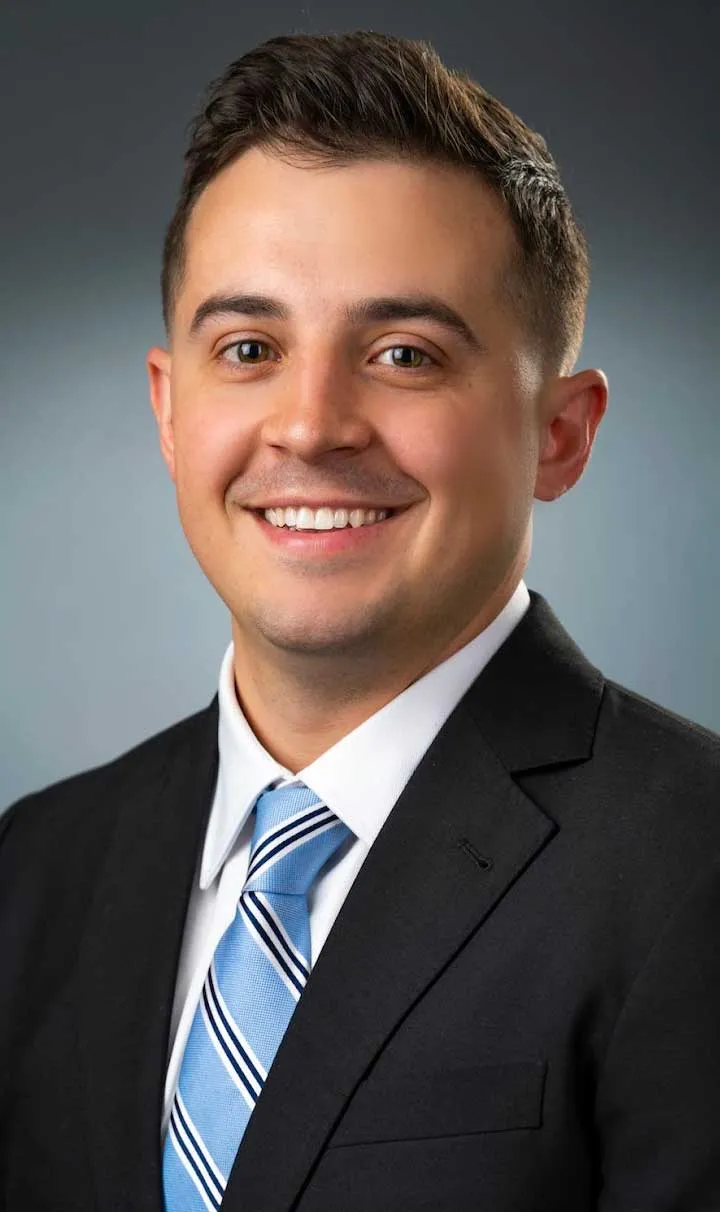
Collision casework proceeds under Daniel J. Larson, engaged solely by injured people and never by companies insuring careless motorists. Commuters from this city who get hit farther north are served through the same approach described for collisions inside the capital itself. Clients talk straight to the lawyer responsible for their file, never a rotating call center. Settlement choices stay with each client following a candid talk about strong points and weak ones. Preparation always assumes a courtroom may be needed, which tends to make courtroom appearances less likely.
Sequence matters during opening work, since the most useful proof also vanishes soonest. Audio from the emergency call is requested immediately, since dispatch centers erase recordings on schedule. Reports from police get ordered together with written statements officers collected from drivers and bystanders. Witnesses listed on the report are telephoned while details remain fresh and their numbers still work. Letters instruct both insurance companies to route every question through the office from that point onward. Clients meanwhile receive guidance covering treatment, vehicle repairs and social media.
Fault usually rests with one careless driver, though sometimes a second motorist, an employer or a vehicle owner shares it. Borrowed cars raise questions about whose policy answers first, and those questions have settled answers. Rideshare trips, rental cars and company vehicles each arrive with different insurance arrangements attached. Sorting these layers early prevents the unpleasant discovery that a single small policy is all that remains. Every later step, from treatment records to final negotiation, builds upon that early groundwork.
What our clients say.

Clients always hear what happens next, explained plainly.
- We handle car crash injury claims for injured clients across Brockton and the surrounding area.
- We deal with the insurers directly so you are not pressured into an early, low settlement.
- We move quickly to preserve the evidence that proves both fault and the full extent of the harm.
- We know the rules that shape these claims and the ways insurers try to limit what they pay.
- We build each claim on medical proof and documentation, not on a rushed call with an adjuster.
- No fee unless we win your case
- No upfront costs
- Direct attorney access throughout
- Free, no-pressure case review


Each injured driver's auto policy pays early medical bills before blame gets decided.
Hospital invoices start arriving long before anybody agrees which motorist bears responsibility. Coverage inside an injured person’s own auto policy pays those early bills until a preset ceiling arrives. Payment happens regardless of which driver caused the collision, so treatment never waits while blame gets argued. Passengers generally draw upon their own household policy first, or else the policy insuring the car that carried them. Cyclists and people walking usually reach identical coverage through the policy on the striking vehicle. Some portion of missed wages comes from that same source, calculated by formula.
Applications for those benefits must be completed promptly, and insurance companies may ask for records or a medical examination. Health insurance typically takes over once the auto policy’s set limit has been reached or partly used. Deductibles and copayments under the health plan then become part of the losses claimed. Coordinating both sources correctly matters, since a bill mailed to the wrong payer may languish unpaid. Reimbursement is often expected by health plans that covered crash treatment, payable when settlement arrives. Tracking those repayment rights from the outset avoids surprises when the final numbers are calculated.
Pain claims against the careless driver open only after one of several conditions has been satisfied. Reasonable medical expenses passing a set level is one route, and many emergency visits with scans cross it quickly. Certain serious injuries qualify by themselves, fractures and permanent disfigurement among them. Fuller detail on each route appears where we explain when a claim for pain becomes available to injured motorists. Lawsuits must also be started within a deadline counted in years, though proof weakens much sooner. Unpaid bills and wages exceeding the policy’s payments can likewise be demanded from whoever drove without care.
Blame is frequently divided, with insurance companies arguing the injured driver was speeding or inattentive. Recovery shrinks by whatever percentage gets pinned on the injured person and vanishes once past half. Percentages are argued from evidence rather than fixed, as explained under how divided blame reduces recovery for anybody curious about mechanics. Early statements and neutral witnesses are the usual tools for keeping that percentage honest.
Bare minimum coverage is common among motorists here, and some drive entirely uninsured. Fleeing drivers create an identical gap, because nobody remains to pursue. Protection inside the injured person’s own policy answers whenever the careless motorist turns out uninsured. Optional extra coverage, described under claims when the other policy runs short, fills the space above a small policy. Household members may qualify under a relative’s policy even when they own no vehicle themselves. Disputes with one’s own insurance company still happen, despite years of premiums paid. Reading each household policy early reveals how much protection truly exists.
Within days, somebody representing the opposing insurance company usually telephones and asks permission to record. Friendly sounding questions are built to draw short answers that get quoted back much later. Saying everything feels fine, purely from courtesy, becomes evidence that nothing hurt back then. Guesses about speed or distance get treated as measurements and compared against later testimony. Transcripts are searched for any small inconsistency once the claim’s value is being negotiated. Nothing obliges an injured person to grant the opposing company any recorded interview whatsoever.
Company vehicles answer through business insurance.
Vans making deliveries, contractor pickups and company sedans crowd these streets from dawn until dusk. Employers generally answer for collisions their workers cause while performing job duties. Commercial policies usually carry far higher limits than the personal coverage most motorists buy. Timecards, dispatch entries and delivery schedules establish whether the driver was actually working then. Detours for personal errands give employers an argument that the trip fell outside the job. Sorting that question requires records the business controls and may not volunteer.
Gig couriers and drivers classified as independent contractors complicate matters, because companies often deny being employers at all. Contracts, route assignments and control over schedules reveal how the relationship truly operated. Dispatchers sometimes call drivers seconds before impact, which telephone logs can reveal. Businesses can also answer directly for hiring unsafe drivers or skipping brake and tire maintenance. Larger vehicles follow additional safety rules, outlined where we discuss crashes involving heavy freight haulers in depth. Smaller work vehicles escape most of those rules yet still carry business insurance.
Commercial insurance companies respond quickly, often sending their own representative to the driver within hours. Tracking devices in many fleet vehicles log speed, braking and location throughout each shift. Dashboard cameras aimed at the roadway, and sometimes the driver, are increasingly common across delivery fleets. Preservation requests in writing should reach the business before routine deletion erases anything. Injured workers driving for their own employer at the time face a separate benefits system as well. Workplace benefits and an ordinary claim may proceed together if the careless motorist worked elsewhere.
Crash numbers stay high near highway ramps, downtown streets, and plaza driveways.
Geography explains much of the crash count in this working city south of the capital. Numbered routes, several of them, cross a compact downtown laid out long before modern traffic volumes. Residents by the thousands drive north to jobs each morning and return tired every evening. Smaller surrounding towns send shoppers here, adding unfamiliar drivers to streets already running near capacity. Published state rankings have placed many junctions here among the worst for collisions anywhere regionally. Similar pressures appear in the smaller city farther down the same highway, though traffic here is noticeably denser.
Different parts of the city produce different crashes.
Skirting the western edge, a divided state highway carries commuters and freight at sustained high speed. Interchange ramps there are short, forcing merging drivers to find gaps almost immediately. Collisions on that stretch tend to be violent, and our discussion of crashes caused by excessive speed applies directly. Narrow shoulders leave disabled vehicles, and anyone standing beside them, dangerously close to passing traffic. State troopers rather than city officers respond there, so reports come from a different records office. Secondary impacts are common because following drivers cannot stop before reaching the wreckage.
Downtown, numbered routes meet at signals carrying far more turning traffic than their lanes were built for. Junctions downtown rank among the worst statewide, a pattern examined under crashes where streets cross more broadly. Limited left turn lanes tempt drivers to dart across oncoming traffic on a stale yellow. Others simply continue after the signal changes, producing the side impacts described under drivers who ignore a red signal elsewhere. Timing records for each signal, and nearby business cameras, often settle who actually had green. Pedestrians heading toward shops and offices add another hazard at these same corners.
Commercial traffic concentrates on one long retail strip lined with plazas, restaurants and a regional shopping mall. Dozens of driveways open onto that road, each one a place where turning cars cross moving lanes. Motorists exiting a plaza often watch only leftward traffic, then pull straight into somebody approaching rightward. Sudden braking for a missed entrance produces chains of impacts during weekend shopping hours. Parking lot collisions inside these plazas involve their own rules about who must yield. Store security footage frequently captures driveway crashes, though most systems overwrite themselves quickly.
Multi-lane arterials running through the city invite speeds well above posted limits between signals. Extra lanes mean a turning driver must judge several streams of oncoming traffic simultaneously. Vehicles in the near lane can hide a faster car approaching in the far one. Crosswalks spanning four or five lanes leave people walking exposed far longer than feels safe. Late evening hours bring lighter traffic and noticeably higher speeds along these same four-lane roads. Impact severity climbs steeply with speed, which shows in the injuries these arterials produce.
Buses from across the region converge on one central terminal beside the downtown train platform. Commuter trains unload riders into the same blocks, filling the nearby streets with pickups at rush periods. Impatient drivers then swing around stopped queues or block junctions while passengers are collected. Ambulances traveling to either of the city’s two hospitals add urgent movements through already crowded streets. Different rules can govern a collision with a transit bus, and notice periods may run far shorter.
Newly licensed teenagers are everywhere, because the city’s high school is among the biggest for miles. Arrival each morning and dismissal each afternoon pack surrounding streets with inexperienced drivers, buses and parents. Inexperience shows in misjudged gaps, late braking and attention lost to passengers or phones. Event traffic adds a seasonal layer, with a fairground and a ballpark drawing crowds on summer evenings. Visitors who rarely drive here hunt for parking while pedestrians spill across the roadway afterward. Alcohol served at events raises the risk during the hour when everyone leaves together.
Treatment records, pay stubs, and doctors' written opinions prove crash injuries.
Strains affecting the neck or back get reported more than anything following collisions locally. Ligaments and muscles stretch violently under impact, with stiffness commonly peaking a few mornings later. Dismissal by insurance companies is routine, which is why injuries to muscles and ligaments need thorough records beginning immediately. Emergency physicians record range of motion, spasm and tenderness, findings that later reviewers struggle to dismiss. Physical therapy notes then chart progress visit by visit, sometimes throughout a whole season. Consistent attendance matters, because gaps between appointments get read as evidence that the pain had resolved.
Discs between spinal bones can bulge or rupture under crash forces, pressing on nerves serving arms or legs. Numbness, tingling and weakness traveling down a limb distinguish these injuries from an ordinary strain. Magnetic imaging confirms the damage, and our page on discs pushed out of place explains how those findings get interpreted. Scans taken years earlier, if any exist, help show precisely what the collision itself changed. Treatment may progress from therapy through injections toward surgery, each stage generating separate paperwork. Surgeons’ written opinions about future procedures become central when lifelong costs are being estimated.
Fractures of wrists, ribs, collarbones and legs follow side impacts and higher speed collisions particularly often. Bracing hard against a steering wheel or dashboard breaks hands, thumbs and forearms remarkably often. Repairing bone surgically with plates or screws means operating room charges, follow-up imaging and sometimes later hardware removal. Elsewhere, our discussion of fractures suffered in collisions covers healing timelines and complications such as poor union. Equal attention belongs on head injuries, because symptoms following a concussion can be faint and overlooked. Relatives noticing changes in memory, mood or sleep often supply details that brief clinic visits miss.
Treatment records form the spine of any injury claim, so their accuracy needs watching throughout recovery. Symptoms left unmentioned at a visit effectively do not exist on paper, so patients should describe everything. Billing statements get collected from each provider, including ambulance services, radiology groups and pharmacies. Appointment mileage, medical equipment and prescription costs belong in that same running file. Jotting brief daily notes on pain levels and abandoned activities helps later, after memory has faded. Weekly photographs of bruising, casts and surgical scars record healing better than any written description manages. Doctors’ work restrictions should always be obtained on paper, never simply relayed aloud.
Income lost gets proven with documents, never with estimates offered from memory alone. Paystubs covering the months preceding the crash establish a baseline that includes overtime and shift differentials. Employers can verify dates missed, sick leave consumed and any promotion or overtime assignment forfeited meanwhile. Supervisors’ letters describing duties left undone add weight that payroll figures cannot supply alone. Tax returns, invoices and canceled contracts let self-employed residents demonstrate identical losses. Warehouse, healthcare and construction workers here often cannot return until cleared for full physical duty. Reduced hours or lighter roles at lower pay count as continuing losses needing regular updates.
Permanent effects require careful proof, because they usually represent the largest share of serious cases. Treating physicians are asked whether further recovery is expected and what restrictions will remain indefinitely. Future care such as injections, therapy or surgery gets priced using the doctor’s own projections. Vocational evidence may show how a lasting restriction narrows the jobs someone can realistically hold. Concrete description suits the human losses best, an approach explained where we cover how physical suffering gets valued during negotiations. Honest, specific examples persuade far better than adjectives when that part gets presented.
Medical Bills and Future Care
Lost Wages and Earning Capacity
Pain, Suffering, and Hardship
Wrongful Death of a Loved One
Medical care, case review, then steady legal work move each claim forward.
Get medical care and scene evidence
Get medical care right away and note where and how the crash happened. Photograph the scene, vehicles, injuries, and road conditions before it is moved, and avoid recorded insurer statements at first.
Have a lawyer review your crash now
Call us or fill in the form. An attorney reviews the crash, explains which insurance pays your early bills, checks whether your injuries open a claim for pain, and maps out your options from there on.
We take it from there for your case
Once the case moves forward, we handle insurer contact, gather and preserve evidence from the scene, manage every legal deadline, and keep you updated so you can focus on your recovery and next steps.
- 5.0 stars out of 100+ reviews
Calling early tells injured drivers which insurance policy pays current bills.
Collision questions from this city can be raised by telephone or through the form here. Callers learn which policy pays current bills and whether a claim for pain has opened. Crashes are one part of a wider practice described under our statewide work for injured people elsewhere. Bringing the report number from police and any insurance cards makes that first conversation considerably more productive.
By submitting this form, you acknowledge that doing so does not create an attorney-client relationship. Please do not include confidential information. Contacting us does not obligate you to retain our services.
Our Clients.


Our Practice Areas.
Larson Law helps injured people and families across Massachusetts after a serious accident. If you were hurt by someone else’s carelessness, we are ready to listen and explain your options.
Injured drivers ask about crash sites, insurance payments, blame, deadlines, and courts.
This city has some dangerous intersections. Does that affect my claim?
It can help. A crash at an intersection with a known history of collisions, poor sightlines, or bad signal timing can point to how it happened and sometimes to a road-design or maintenance issue. We use the location’s real record to support how we prove fault and damages.
How does my own car insurance work after a crash?
Your own automobile policy pays the first medical bills and some lost wages whoever caused the crash, up to a set limit. For a serious injury you can also pursue the careless driver for the full harm, including pain, once the injury passes a threshold measured by expense or severity.
What if I was partly at fault for the crash?
Partial blame rarely closes off recovery altogether, so yes, a claim usually remains. Recovery drops by whatever percentage gets placed on you and ends only past one half. Inflating that percentage saves insurance companies money, so early statements, emergency call recordings and neutral witnesses matter greatly. Shares of blame are argued from evidence and remain open to challenge throughout.
What should I do after a crash on the highway?
Get medical care, call the police so there is an official report, and photograph the scene, the vehicles, and the road if you safely can. Highway crashes are often high-speed and severe, so preserving that early evidence and seeing a doctor promptly protects both your health and your claim.
Where should I go for medical care after a crash?
Go to the nearest emergency room or urgent care right away, even if you feel fine, because some injuries surface later. Then follow up with your own doctor and keep every record. Consistent, well-documented treatment is both good for your recovery and central to proving the injury later.
What if the driver at fault had no insurance, or too little?
You may still recover through your own uninsured or underinsured motorist coverage, which pays when the at-fault driver has no insurance or too little. Finding and pursuing every applicable policy, including coverage on your own auto policy, is often the key to a full recovery after a serious crash.
How long do I have to file?
Lawsuits over most crashes carry a general filing limit counted in years from collision day. Involving a city, public agency or defective road brings written notice duties that arrive much earlier. Delay costs proof too, since recordings get erased and witnesses move or forget. Legal advice sought long before any limit approaches protects the claim together with its proof.
What makes claims from this city different?
The difference is local: busy corridors, particular intersections and crash patterns, the police department that responds, and the courts where cases are filed. Knowing those particulars, and the records they generate, helps build a claim that reflects how the crash actually happened here.
Can a pedestrian hit by a car make a claim?
Yes. A pedestrian struck by a car has a strong claim, because drivers owe a high duty of care to people on foot. The automobile policy on the striking vehicle usually covers early medical bills, and the careless driver’s liability insurance answers for the full harm beyond that.
Where are these cases filed in court?
Bigger claims go to the superior court, usually in a county where one of the parties lives or does business, and smaller ones to a district court nearby. The right court depends on what the case is worth and who is being sued, and the filing and its deadlines are handled for you.
Do you take cases from the towns around this city?
Yes. We represent crash clients from this city and the surrounding towns. Wherever the collision happened, the same careful, evidence-driven approach applies, and we handle the coordination with insurers, repair shops, and medical offices so that your health and recovery stay the priority.
Should I give the other driver’s insurer a recorded statement?
You do not have to, and it is usually wiser to wait. The call often comes within days and the questions are designed to produce short answers that can be quoted later. Decline politely, say that you are still being treated, and refer the caller to your lawyer once you have one.