
New Bedford Pedestrian Accident Lawyer
A pedestrian hit by a car can suffer serious injuries.
Pedestrians have little protection in a crash. If a driver causes the accident, a New Bedford pedestrian accident lawyer can review the case and pursue compensation.
- No fee unless we win
- Same-day response
- Free case review
As Seen On:












A New Bedford pedestrian accident lawyer can help preserve crosswalk video.
Three separate blows happen within a second. First the bumper meets the legs, usually at or below the knee. Next the upper body folds onto the hood or windshield. Last comes the ground, and that final landing produces many of the worst head injuries. Every stage leaves marks on vehicle and body alike, and matching them lets an engineer estimate the car’s speed. Even on a quiet residential block, the outcome can be months in plaster or a wheelchair.
Drivers nearly always offer the same account. The walker appeared suddenly, wore dark clothing, or stepped out between cars. Physical evidence tests that story better than argument does. Throw distance, the scatter of glass and plastic, and the height of each dent all point toward speed and impact location. Shop, bus, and doorbell cameras often show brake lights that never came on. Bystanders on the sidewalk tend to remember engine noise and whether a horn sounded.
Medical bills take an unexpected route. Auto insurance covers an injured walker first, although that walker was nowhere near a steering wheel. Where the walker’s household owns an insured car, that policy usually responds, and otherwise the striking vehicle’s policy does. Health insurance steps in after that first layer runs out. Identifying the primary company takes a few phone calls and prevents weeks of unpaid bills. Our cases for walkers hit in the capital open with that identical inquiry too.
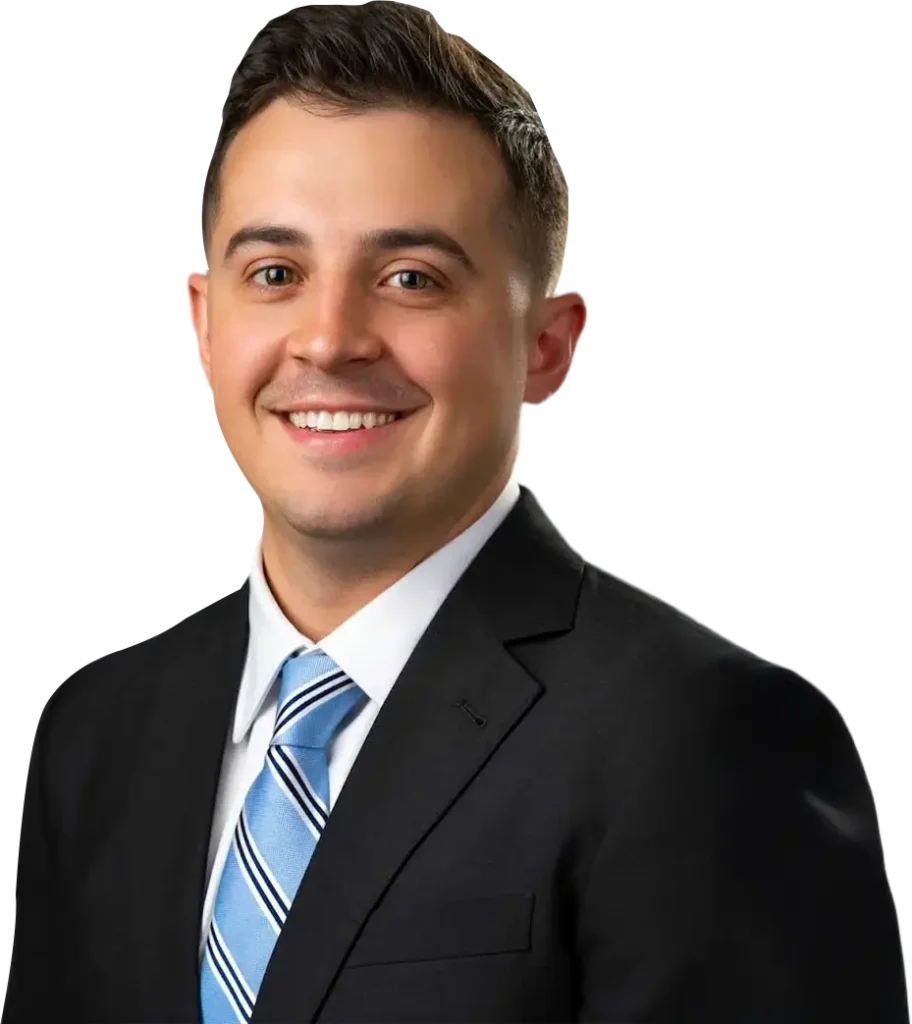
Every new matter of this kind is examined first by Daniel J. Larson, using the police report, scene photographs, and emergency records. Insurers are contacted only after that examination. Families are told which policies apply, which excuses the motorist will probably raise, and which recordings need to be requested immediately. Hospital visits can be arranged when the injured person cannot travel. Updates are put in writing so relatives who missed a conversation can catch up. Interpreters are brought in whenever a family prefers another language.
The gravest harm falls on the very young and the very old. A child’s height puts the head and chest at bumper level. Someone in their seventies or eighties may never fully recover from a broken hip. Extra caution is required of motorists near schools, bus stops, senior housing, and anywhere small children are visible. Insurers who argue the walker was careless must first explain the driver’s own inattention. School-hour speed limits make such an explanation harder still.
Simple precautions during week one safeguard the evidence. Clothing and shoes should be stored as they are, without washing. Keeping the phone matters too, because its usage log can prove nobody was texting. Images of the crossing, the signal heads, and nearby cameras should be captured before crews alter anything. Bystanders’ names, however briefly they stopped, should be written down. Medical appointments should be kept without gaps, since insurers read every missed visit as recovery.
What our clients say

Why Early Action Matters in Pedestrian Injury Claims
- We handle pedestrian injury claims against drivers and their insurers across New Bedford
- We prove the driver was at fault, even when they try to blame the person on foot
- We move fast to secure the crash report, the vehicle data, and any nearby video footage
- We push back on the quick, low offers insurers make before your injuries are fully known
- Attorney Daniel J. Larson prepares every pedestrian case as if it may have to go to trial
- No fee unless we win
- Free, private case review
- Same-day response
- Honest advice from day one


Mid-block crossings rarely defeat walker injury claims outright.
Motorists must yield to people in a crosswalk and must reduce speed whenever a walker is near the roadway’s edge. Overtaking a vehicle halted at a crossing is prohibited. Those duties apply at marked crossings and at corners where no paint exists. Not noticing somebody who was plainly visible is itself carelessness and never a justification. Cell phone logs and in-car data can reveal what distracted the motorist. Frost left unscraped, tinted glass, and objects blocking the windshield all get examined too.
Leaving the curb somewhere other than a marked crossing does not forfeit a claim. Walkers owe ordinary care, while motorists owe the duty of avoiding anyone visible ahead. Jurors weigh both. Lighting, the driver’s speed, sight distance, and how long the person had already been in the road all enter that judgment. Most mid-block cases end with the motorist carrying the larger portion. Measuring how far away the walker first became visible usually settles the argument.
Turning maneuvers account for countless walker injuries. Walk signals and green lights frequently run together, obliging the turning driver to wait. Before turning right on red, a motorist must stop completely and check each direction. Left-turners concentrating on oncoming cars frequently miss the person in the crosswalk they are entering. Signal phase records for motorists who fail to yield are obtained from the agency that runs the intersection. Second by second, such records reveal what each light displayed.
Reversing vehicles are a separate hazard. Drivers reversing from a driveway or a parking stall strike adults and small children standing below mirror height. Backup cameras help only when the driver looks at them. Pickup trucks and delivery vans have the largest blind zones. Further discussion appears in our material on vehicles backing into people. Beeping alarms that had been disabled, or never installed, can be important evidence against a commercial owner.
Initial treatment costs fall to an auto insurer through a benefit unconnected to blame. Pain and long-term losses are claimed separately from the driver, and only when the injury meets a threshold. Broken bones meet it. So do substantial medical expenses, permanent disfigurement, and lost use of a limb or organ. Nearly every serious pedestrian case clears that bar without difficulty. Bills from every provider should still be gathered, because the total itself can satisfy the requirement.
Drivers who leave the scene are sometimes never found. A household auto policy’s uninsured motorist coverage then substitutes for the absent driver. That protection also responds if the motorist remained but carried no policy. People in households with no car at all have other, narrower options that should be reviewed quickly. Every such claim depends on a police report made without delay. Paint flakes on clothing and fragments in the road have identified more than one fleeing vehicle.
Different defendants appear when the vehicle was commercial or publicly owned. Delivery firms, contractors, and rideshare platforms can each answer for a driver’s conduct. Buses and municipal trucks bring notice requirements, and written notice must arrive before a brief window closes. Larger policies are usually available, and so are better records, including onboard cameras and dispatch logs. Preservation requests for that material are dispatched the same afternoon. Drivers’ schedules can also show whether fatigue or time pressure contributed.
Shared blame reduces a claim without destroying it. Any percentage jurors assign to the injured walker comes off the compensation. Compensation vanishes only if the walker’s percentage exceeds the motorist’s. Since raising it requires no effort, insurers press this argument in virtually all serious cases. Rebuttal depends on reconstruction, on video, and on witnesses with no stake. Clothing color and time of day are relevant facts, yet they rarely outweigh a motorist’s inattention.
Landowners and public agencies occasionally carry some blame themselves. A sidewalk blocked by snow, a signal that was out, overgrown hedges at a corner, or a construction site with no safe path may each contribute to a collision. Municipal defendants are entitled to early written notice, and their damages are capped. Private owners and contractors have no such protection. Pictures documenting the condition that very day are essential. Complaint logs kept by the public works office may show earlier warnings about the same hazard.
Time limits vary by defendant. Lawsuits by adults against a motorist normally must begin inside three years, with much shorter notice periods for public entities. Children’s countdowns generally begin at adulthood. If the walker dies, a representative of the estate carries the case forward so relatives can be compensated. Starting early matters less for the deadline than for the evidence. Long before any calendar date arrives, cameras have overwritten themselves.
Mid-block bus stops tempt riders across four busy lanes.
Long avenues run north and south through the city, lined with shops, churches, and three-story houses. Bus stops sit between intersections, far from any signal. Passengers leaving a bus often cross right there, sometimes passing behind the bus where approaching drivers cannot see them. Four lanes and a turning lane make for a long walk. Bus cameras face outward as well as inward, and they frequently record the entire event. Transit agencies overwrite that video on a schedule, so the request cannot wait.
The road along the waterfront is wide, fast, and hard to cross. Ferry passengers pulling suitcases, restaurant customers, and fish house workers all cross it daily. Signals exist, yet many people cross where they parked. Drivers coming down from the highway are still travelling at highway speed. Terminal and restaurant cameras cover long stretches of that road. Lighting along some sections is uneven, which matters for crashes after dark.
Children walk to school through dense blocks of parked cars. A small child stepping out between bumpers cannot be seen until the last moment, which is why reduced speed limits apply near schools. Crossing guards keep logs and sometimes report near misses. School bus cameras record vehicles that pass illegally. Parents should ask the school in writing to hold any footage from that morning or afternoon. Classmates and other parents at the corner are often the only eyewitnesses.
Driveways here are short and often shared by several units. Vehicles reverse directly over the sidewalk before reaching the roadway. Hedges, fences, and parked vehicles hide approaching walkers from either side. Passersby, parents with strollers, and children on scooters get struck at low speed and still badly hurt. Neighbors’ doorbell cameras regularly supply the video. Landlords who let hedges overgrow the sidewalk may share in the responsibility.
Plaza and supermarket lots remain crowded right up to closing. Drivers hunt for a space, cut diagonally across rows, and reverse without checking. Shoppers with bags or carts move slowly, in plain view. Poorly marked lanes, failed lighting, or snow piles that hide cross traffic can put part of the responsibility on the lot’s owner. Store security video is usually kept for a limited time. Cart attendants and security guards often see these collisions and should be named in the report.
Winter narrows every sidewalk. Plows push snow onto the walks, and some property owners never clear it. People end up in the travel lane in dark coats, at dusk, beside drivers with frosted windows. Shot that day, pictures of the blocked sidewalk outweigh any later description. Bus riders face this problem constantly at uncleared stops, as our transit cases in the capital illustrate. Local rules set deadlines for clearing walks, and weather records show when the storm ended.
Downtown fills at night with people walking between restaurants, bars, and theaters. Alcohol is involved for a portion of the motorists leaving those venues. Impaired driving leads to criminal charges, and the police investigation produces test results and statements that later strengthen the walker’s case. Serving somebody who was plainly drunk can make a bar answerable too. Surveillance and receipts covering that evening should be preserved. Court dates in the criminal case are worth tracking, since testimony given there can be used later.
Long avenues and crowded blocks also define the adjacent city, a pattern our pedestrian claims one city away reflect. Countless residents sleep in one community and earn or shop in its neighbor. Witnesses and insurers may therefore be spread across both. Collecting full contact details at the start prevents delay. Medical providers may be split the same way, which makes a complete list of treating offices useful.
Older walkers frequently lose independent living following hip fractures.
Legs absorb the first blow. The bone just below the knee often breaks into several pieces, and the knee joint itself can be damaged. Surgeons may use plates, rods, or an external frame, and more than one operation is common. Weeks without bearing weight give way to a long stretch of rehabilitation. Future procedures and arthritis risk are valued in the way set out for fractures from an accident. Smaller items such as crutches, a wheelchair rental, and ramp installation soon total a meaningful sum.
The pelvis and hips come next. Pelvic fractures bring internal bleeding, extended hospital care, and a slow return to walking. Seniors who break a hip frequently cannot go back to living alone. Rehabilitation facilities, home aides, walkers, and stair lifts may each become necessary. Those expenses are projected by a care planner and written into the figure demanded. Family members providing unpaid help should log their time, because that care has a market value.
Head injuries result from the hood, the windshield, or the ground. Loss of consciousness, confusion, and memory gaps should be reported at once. Trouble with attention, mood, and sleep may surface after several weeks. A specialist’s testing puts those changes on paper. Lasting consequences are covered in our discussion of brain injuries after a collision. Relatives usually notice personality changes before the patient does, and their observations matter. Work or school records from before the crash help measure what changed.
Teeth and facial bones often break when the body lands. Broken cheekbones, a fractured jaw, lost teeth, and deep cuts require surgeons and dentists working together. Scars and altered appearance carry separate compensation. Dental implants and later revisions can cost as much as the first operations. Estimates from each specialist support our claims for injuries to the face. Photographs from before the crash give those specialists a target for reconstruction.
Fear accompanies many survivors whenever they approach a curb. Crossing a road, hearing an engine, or standing at a curb can bring panic. Some stop walking to work or to the store and become isolated. Counseling helps, and each therapy bill becomes a claimed expense. Compensation for this harm is outlined under emotional distress following a collision. A gradual, supported return to walking outdoors is often part of treatment. Therapists’ notes tying the symptoms to the collision are the key record.
Work and home life both change. Someone who stands, lifts, or walks for a living may be out for months. A parent may be unable to carry a child or climb the stairs to the apartment. Lost wages, hired help, and transport to appointments are documented through pay stubs and receipts. Relatives who take over care should keep a simple record of the hours. Employers can confirm overtime and seasonal work the injured person would otherwise have had.
Some pedestrians do not survive. Relatives may then recover lost support, lost companionship, funeral costs, and compensation for what their relative endured. More detail appears in our overview of what a family may claim when someone is killed. An estate must be opened for these cases, and our office helps arrange that. Grieving relatives are not asked to manage that process alone. Criminal proceedings against the driver, if any, run separately and never substitute for the family’s own lawsuit.
Medical Bills and Future Care
Lost Wages and Earning Capacity
Pain, Suffering, and Hardship
Wrongful Death of a Loved One
Hospital treatment continues as attorneys request crossing signal records.
Get medical care and a police report
See a doctor right away, even if you feel okay, and make sure the crash is reported to police. Fast care builds a record tying your injuries to the wreck, which insurers question if you wait too long.
Document the scene and the driver
Photograph the scene, the vehicle, and any injuries, and write down the driver's information and the plates. Get names and numbers from witnesses, and note exactly where you were when the car hit you.
Talk to a lawyer before the insurer
Before you give an insurer a statement or accept a quick payout, talk with a lawyer who can sort out the coverage. Early advice shields the evidence and your deadline while you focus on your recovery.
- 5.0 stars out of 100+ reviews
Saved clothing can provide physical evidence for the claim.
Relatives may place the first call while the injured person remains hospitalized. Useful items are the police report number, the location, and any car insurance held at home. Camera requests go out the same day, and the conversation covers who pays early bills. Cases involving the gravest injuries are handled together with our firm’s lead injury lawyers.
By submitting this form, you acknowledge that doing so does not create an attorney-client relationship. Please do not include confidential information. Contacting us does not obligate you to retain our services.
Our Clients.


Our Practice Areas.
Larson Law helps injured people and families across Massachusetts after a serious accident. If you were hurt by someone else’s carelessness in Boston, we are ready to listen and explain your options at no cost.
Injured walkers frequently ask whose auto policy pays hospital bills.
Do I have a claim if a car hit me?
Very likely, if the driver was at fault. A motorist who fails to yield at a crosswalk, runs a light, turns without looking, or is distracted can be liable for the injuries they cause. As a person on foot, you are far more exposed than someone in a vehicle, so the injuries are often serious. The main tasks are proving the driver was negligent and identifying the insurance that should pay, which a lawyer can do after reviewing the crash, the scene, and your injuries. A free review can tell you what your claim may be worth, at no cost.
What if I was not in a crosswalk?
You may still have a strong claim. Drivers must watch for people on foot even outside marked crosswalks, and being outside one does not automatically make a pedestrian at fault. Under comparative negligence, you can recover as long as you were not more than half to blame, with your share reducing the award. Insurers often exaggerate a pedestrian’s fault to pay less. A lawyer can present the full picture of how the crash happened, including the driver’s own carelessness, and protect your recovery from an unfair fault argument.
Whose insurance pays for my injuries?
In most cases the at-fault driver’s auto insurance is the main source of compensation. After a crash in Massachusetts, your own Personal Injury Protection coverage, if you have a policy, can pay certain initial medical costs regardless of fault, and your own uninsured motorist coverage may apply if the driver had none. Sorting out which policies are available, including ones you may not realize you can use, is one of the first steps, and a lawyer can identify every source that should pay for your injuries.
What if the driver fled the scene?
You may still have options. A hit-and-run is a serious crime, and police will work to identify the driver, but even if they are never found, your own uninsured motorist coverage can often step in to pay for your injuries, much as if the driver had no insurance. It is important to report the crash promptly and preserve any evidence, including video and witness information. A lawyer can pursue the uninsured motorist claim and any other coverage available to you while the search for the driver continues.
What if I was partly at fault?
Carrying some responsibility leaves your claim intact unless your portion outweighs the motorist’s. Your payment shrinks in step with your percentage. Insurers and the drivers they cover routinely overstate a walker’s role, pointing at clothing, a phone, or the crossing point, so video and witness testimony are collected quickly.
How long do I have to file a claim?
Adults hit by a vehicle normally have a filing window lasting three years, and for children the count usually starts once adulthood arrives. Recordings are erased, and witnesses forget, within weeks, far ahead of any legal limit. Early action during those opening days captures the police paperwork and the video.
What is a pedestrian accident claim worth?
It depends on the injuries and their lasting effects. Value can reflect medical bills, future care, lost wages and earning capacity, pain and suffering, and the impact on daily life. Pedestrians are exposed and often seriously hurt, which can mean significant losses, but the available insurance also matters. A lawyer can evaluate the claim after reviewing the crash, the driver’s responsibility, and the full medical picture, so you understand what your case may realistically be worth.
Should I take the insurer's first offer?
Usually not before talking to a lawyer. A first offer often comes quickly and is calculated to close the claim cheaply, before the full extent of your injuries is known. Once you accept, you generally cannot reopen the claim for later costs, even if your condition worsens. A lawyer can tell you whether an offer is fair and negotiate for the full value of your losses, including future care, while you focus on recovering rather than on pressure from an insurer.
What if a loved one was killed?
When a walker is killed, whoever is appointed for the estate can bring a claim benefiting the spouse, children, or nearest relatives. It reaches the support, household services, companionship, and guidance that person gave, along with burial costs. Our attorneys manage the investigation and the court papers while the family mourns.
What if the driver was uninsured?
You may still be covered. If the driver who hit you had no insurance, your own uninsured motorist coverage can often step in to pay for your injuries, and a hit-and-run is frequently treated the same way. Many people do not realize they carry this protection. The claim is made against your own insurer, but it still requires proving fault and the extent of your injuries, and the insurer may resist paying. A lawyer can identify all the coverage available and pursue your uninsured motorist claim.
How much does a pedestrian accident lawyer cost?
Nothing upfront. Larson Law handles pedestrian crash claims on a contingency fee, so there is no charge unless we recover money for you, and the first review is always free. We advance the costs of investigating the crash, obtaining the report and any video, and working with any experts the case needs. We are only paid from a successful result, which lets an injured person take on the insurers without paying out of pocket while they recover, so cost is never a reason to wait.
What should I do right after being hit?
Get medical care right away, even if you feel okay, and make sure the crash is reported to police. If you can, photograph the scene, the vehicle, and your injuries, and write down the driver’s information and the plate number. Get names and numbers of any witnesses. Avoid giving the driver’s insurer a recorded statement or accepting a quick payment before you have spoken with a lawyer, who can preserve the evidence and protect both your health and your claim.
Results Disclaimer: Past case results, settlements, and verdicts mentioned on this website do not guarantee or predict a similar outcome in any future case. Every case is unique and depends on its own facts and legal issues.