
The estate’s personal representative files a claim for the death on the family’s behalf. Funeral bills, the income the household relied on, and lost companionship may all be sought. A lawsuit for the death generally must start inside three years, and any public agency tied to the crash is owed written notice far earlier.
Lowell Pedestrian Accident Lawyer
Turns at corners cause many of the crashes that hurt people walking.
A motorist rounding a corner tends to track the gap in traffic and never sees the walker. On a green, the walker crossing still goes first, so the harm lands on that motorist.
- No fee unless we win
- Same-day response
- Free case review
As Seen On:











A Lowell pedestrian accident lawyer helps walkers hit by careless drivers get paid.
Someone on foot faces a two-ton vehicle with nothing but a coat for protection. Even a slow impact can break a leg, crack a pelvis, or throw the head against the pavement. Surgery, weeks of rehab, and months off the job often follow. At first, a knocked-down walker may notice only scrapes. Concussions, cracked bones, and damaged knees can stay hidden for a day or more. Getting examined within hours uncovers that damage before it gets worse and puts it in your chart.
Car coverage held in the walker’s home normally picks up the first medical bills, though the walker was not driving. If nobody at home owns a car, the striking vehicle’s policy often steps in for those bills. Pain and every loss past those early benefits must be recovered from the motorist at fault. Crossing guards, letter carriers, and delivery workers are struck on the job too. Their employer’s benefits handle some bills, and the careless motorist still owes for pain and the rest. Handling both together keeps one from cutting into the other.
Inattention sits behind most of these collisions. A car turns through a crosswalk, backs out of a driveway, or rolls a stop sign while the driver checks a phone. Moves like those show a driver no longer scanning for walkers, which leaves the fault squarely with the motorist. A driver leaving a driveway or garage must stop for anyone on the sidewalk. Sidewalks belong to walkers, and a car crossing one has to wait its turn. Hitting someone on the sidewalk leaves a driver with almost no excuse.
Dusk and darkness raise the danger for walkers. Headlights set the limit, since a driver must be able to stop within their reach, and dark clothing does not excuse speed. Streetlight records and photos taken after dark make the driver’s view plain. Kids and older adults get hurt more than any other walkers. Kids sometimes run after a ball into the street, while an older walker may need extra time to cross. Careful drivers watch for both, especially near schools, parks, and senior housing.
Insurers often claim the walker stepped out suddenly or wore dark clothes. Doorbell or shop video, signal records, and witnesses often show the opposite. Many cameras wipe footage within a week, so we move to collect it right away. Drivers who flee leave walkers with no one to name. A household car policy’s uninsured coverage responds to walkers hurt by an unknown driver. A prompt police report keeps that option open.
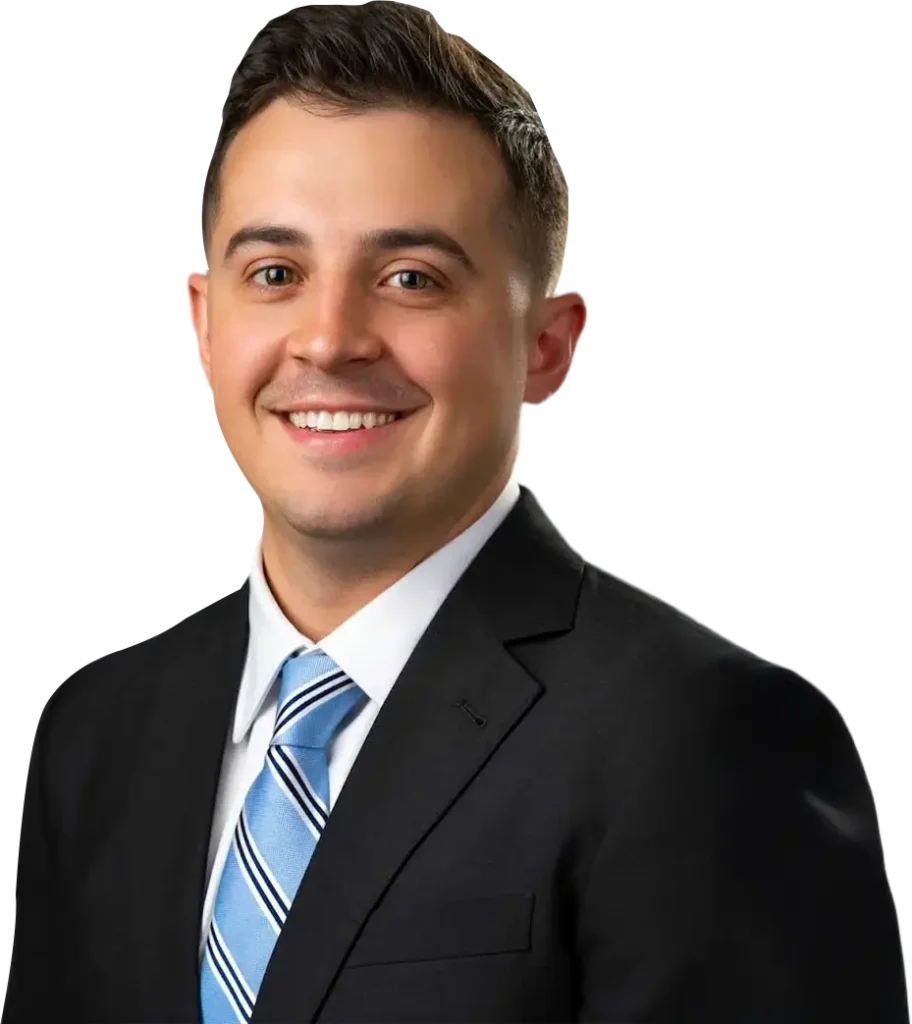
Daniel J. Larson works on every pedestrian case himself, with same-day answers to your calls. Our office represents only injured people and never insurers, since our practice serves people struck by a careless motorist. Anyone struck by a car while walking in Lowell should call soon. Starting early saves video, protects deadlines, and puts your account on record before the insurer shapes the story.
What our clients say
Jeffrey K.
★★★★★
Attorney Larson or Dan as I refer to him now is a phenomenal lawyer who has turned into a friend. He is knowledgeable, smart, extremely thorough and aggressive. He knows the law and delivers fantastic results in a timely fashion. I consider him a great partner and someone I always want to have in my court/corner when I need legal guidance, and support.
Samantha N.
★★★★★
I can’t say enough wonderful things about Dan and his personal injury firm. I’ve seen firsthand how dedicated, knowledgeable, and compassionate he is. Dan is the type of car accident attorney who truly goes above and beyond—he communicates clearly, fights hard for his clients, and genuinely cares about getting them the best possible results.
Jamal B.
★★★★★
Dan and the whole team at Larson Law were super helpful and informative, they were able to walk me through the whole process of my case and they did everything to make sure that I received proper compensation for the incident that happened to me. And I am glad to say that I am very satisfied with the services provided to me by Larson Law. Great team!
Megan A.
★★★★★
Dan was amazing to work with after my car accident. He kept me updated the whole time, explained everything clearly, and always responded quickly. Great communication and a great outcome—highly recommend!
Johnny M.
★★★★★
Dan helped me with a car accident and it was so easy and he is very communicative and reallly helps you out with all he can! Thanks again Dan!
Sina A.
★★★★★
Dan is the Man. He helped me recover from my car accident and the communication and whole process was smooth sailing. Thank you Dan. God speed.
Lee L.
★★★★★
Attorney Larson of Larson Law Did a great job with my case.. I was in a auto accident in 2024 Attorney Larson took my personal injury case and in 2025 I received a maximum payout. Anytime I had a question or concern he was always available.

Injured walkers get our help with every insurance call and letter.
- We handle pedestrian injury claims against drivers and their insurers across Lowell
- We prove the driver was at fault, even when they try to blame the person on foot
- We move fast to secure the crash report, the vehicle data, and any nearby video footage
- We push back on the quick, low offers insurers make before your injuries are fully known
- Attorney Daniel J. Larson prepares every pedestrian case as if it may have to go to trial
- No fee unless we win
- Free, private case review
- Same-day response
- Honest advice from day one


Motorists must stop and wait for walkers in painted crosswalks.
Inside a marked crosswalk, the walker goes first. A motorist must stop once the person crossing reaches the driver’s side of the street or comes near it, and swinging around a car stopped for a walker is not allowed. Breaking either rule leaves the driver little room to blame the walker. At lights, a walk signal gives the walker the right to finish crossing. Cars turning on green must still wait for people in the crosswalk. Turning drivers who watch oncoming cars instead of the crosswalk cause some of the worst walker injuries.
Walkers crossing between corners must let cars pass first. That duty does not give drivers permission to speed or stop looking. Split blame is common in mid-block cases, and a walker keeps the claim unless the walker was the more careless one, with the award cut to match. On roads with no sidewalk, walkers should keep to the side facing oncoming cars when possible. Drivers on those roads must leave room and slow down for them, especially on curves and at night.
Snowbanks and unshoveled sidewalks push walkers into the street every winter. Drivers know this happens and must slow down near buried sidewalks. Walking in the road because the sidewalk is blocked does not make the walker the one at fault. Parked vans and trucks hide people about to cross until the final second. On blocks lined with parked vehicles, careful motorists slow down and watch the gaps, most of all near homes and schools. The driver’s speed often decides how the blame is divided.
A walker’s early medical money comes from car insurance, even though no car was theirs. A policy owned by the walker or a relative at home pays first, and the striking car’s policy pays if no one at home has one. The benefits stop at a fixed limit, with a health plan covering some later bills. Seeking payment for pain from the driver requires an injury serious enough to cross a set line. High enough medical bills, a fracture, lasting scars, or lost sight or hearing satisfy that test. Walkers hit by a car nearly always pass that test.
Some drivers speed away and are never found. The uninsured part of a household car policy can pay the claim, even though the walker was on foot. Many policies require a prompt police report for that coverage. Walkers hurt by a broken sidewalk or crumbling curb can sometimes claim against the town. Written notice to the town is often due within thirty days, and the amount it pays is capped by law. Transit buses are owned by a public agency, so claims against it follow a special process. Its chief official must get written notice inside two years, and any payment from the agency is capped.
A person using a wheelchair or mobility scooter counts as a pedestrian. They share every crosswalk and sidewalk right that walkers have. Drivers must give them extra time to cross, since a slower pace is expected. On most roads, a school bus with flashing red lights stops traffic both ways. Children crossing to or from that bus are protected by that rule, and any driver who passes the bus bears the fault. Crossing guards direct traffic near schools, and drivers must obey their signals. Ignoring a guard’s raised sign puts the fault squarely on the motorist.
Cars backing out of driveways and parking spaces must check for people behind them. Cameras and mirrors help, but the driver still has to look. Short walkers and small children disappear behind a rear bumper, which is why this kind of crash hurts them so often. Work vehicles usually belong to a business, and that business shares the blame for a worker’s careless driving. Businesses answer for drivers working on their behalf, and commercial policies often carry more coverage. Learning who owned the vehicle is one of our first steps.
Having a drink before walking home does not wipe out a claim. What still matters is whether the motorist was careless, and drinking counts only if it played a part in the collision. A ticket for walking against the light leaves the injury case open. That ticket is just one fact, and the blame may still rest mostly on a racing or texting motorist. Phone company records can reveal a text sent moments before the car struck you. Such records usually surface after suit is filed, and they often raise what the insurer will pay. Every rule on this page describes a duty the motorist owed you. Scene pictures, signal logs, and dents on the car show where the motorist fell short.
Walking here means crossing wide campus roads and crowded downtown blocks.
Downtown sidewalks are narrow, busy, and often lined with parked cars. People step into the street to pass a crowd or a delivery cart, and a driver hugging the curb can clip them. Corner crossings downtown come fast, one after another, so drivers must stay alert on every block. The central bus hub draws a steady stream of riders on foot. Many cross mid-block to catch a bus that is about to leave, and turning cars near the hub must expect them.
Grocery stores, pharmacies, and laundromats sit along busy two-lane roads. Many residents walk to them daily, crossing where the nearest signal is blocks away. Motorists there should expect walkers between the lights. Wide, busy roads run right past the college campuses. Students cross in groups at all hours, often wearing earbuds or reading a phone. Their habits do not excuse a motorist who speeds past campus, where heavy foot traffic is a given.
In the old mill district, one-way streets meet at awkward angles. Drivers turning from those streets often watch for cars in one direction and miss the walker coming from the other. Turning strikes like these come up in many of our cases. Spans over the water carry walkers just inches from traffic, with only a narrow strip to walk on. A motorist drifting toward the curb on a crossing can strike a walker who has nowhere to step.
Walking paths beside the water end at busy roads with marked crossings. Joggers, dog walkers, and families step off the path expecting cars to stop, and many drivers do not slow down. Clinics, hospitals, and senior housing bring many older walkers onto busy streets. Older walkers may need the full signal to cross, and some use canes or walkers. Turning before an older walker finishes crossing makes the driver plainly responsible.
Long stretches of commercial road near the city’s edge have no sidewalk. Workers heading to a shift or a bus stop walk on the shoulder beside fast traffic, often before sunrise or after dusk. Night shift workers walk home on blocks with dim or broken streetlights. Motorists on those blocks must slow enough to see what lies ahead, and a broken light is not an excuse for hitting someone. Winter piles snow at corners and along curbs. People climb over the banks or step into the lane, and motorists are expected to ease off.
Twice a day, school zones fill with children. Kids cross in clusters, sometimes between cars in a pickup line. Drivers in a school zone must creep along and expect sudden movement, whatever the posted limit allows. Road crews sometimes shut a sidewalk with barely any notice. Walkers pushed onto a temporary path in the street rely on the crew and on drivers to keep them safe. Crews that leave walkers no safe route can share the fault with the driver who hit them.
Ride pickups and deliveries stop in travel lanes all over downtown. Riders stepping out of those cars are hit by drivers swinging around the stopped vehicle. Swinging around the stopped car without looking makes the passing driver responsible. Crowds pour across downtown streets all at once after big events. Drivers leaving garages and lots at the same time must watch for people crossing in every direction.
Some record of the crash usually survives at these places. Cameras on shops and apartment buildings, signal timing logs, and people waiting at bus stops can all help. Footage like that disappears quickly, so we ask for it to be saved right away. Walking these blocks ourselves helps us explain the crash in terms a jury can picture.
Surgery, lost work, and months of healing belong in a walker's claim.
A bumper usually strikes a walker at knee or thigh height, breaking legs and tearing ligaments. The walker then lands on the hood or the pavement, which can crack the pelvis, ribs, or skull. Operations, nights in the hospital, and each therapy visit go on the driver’s bill. The skull can strike a windshield or curb, leaving a brain injury that alters memory and mood. Landing on the back can bring spinal cord damage, and a crushed leg sometimes ends in an amputation. Harm this severe is life-changing, so we bring in experts on future care and support.
Pins and plates in a broken leg may need a second surgery to remove. A knee or hip that took the hit can turn arthritic years later, so we ask a surgeon to describe that future treatment in a letter. Head trauma can make reading, focusing, and steady work much harder for months. Testing by a brain specialist can measure those changes, even when scans look normal. Missed appointments give the adjuster room to call the injury mild. Following the treatment plan to the end helps you heal and closes that argument.
For older walkers, a crash can end the ability to live alone. Meals, bathing, and rides to the doctor may need outside help for months. Home aides, grab bars, a walker, and a shower chair are costs the careless driver should cover. Children hit by cars often break bones near the growth plates. Those injuries need follow-up for years, since a damaged growth plate can change how a leg grows. Parents also lose time at work, taking a child to appointments and staying home during recovery, and the case should reflect that time.
Walkers who relied on their feet to get around suddenly need rides to work, stores, and doctor visits. Taxi rides, ride-app trips, and a relative’s gas money mount up over months of healing. Save each receipt so none of those costs gets missed. A damaged cane or wheelchair, cracked glasses, or a broken phone should be replaced at the driver’s expense. Photograph those items before replacing them.
Lost pay counts from the first missed day. After a crushed leg, a nurse or warehouse worker may never manage a full shift on foot again, and years of lower pay then join the claim. Real harms include pain, sleepless nights, and fear of crossing the street again. Many walkers avoid the places they once went on foot, and that loss of freedom counts too. Our guide to pain and suffering explains how these losses get valued. Scars from road rash and surgery can stay for life, and they are a separate loss. Therapy for fear or anxiety after the crash adds to the total as well.
First come the crash report, footage, and witness names, followed by a running file of each medical bill. When recovery levels off, the insurer receives a demand listing each loss, and the method for reaching a figure is explained before any choice. Should the insurer refuse a fair figure, a lawsuit comes next. A public health program or health plan that covered bills may seek money back. That repayment gets bargained down as the case wraps up. Resolving those repayment claims early avoids surprises when the money arrives.
Medical Bills and Future Care
Lost Wages and Earning Capacity
Pain, Suffering, and Hardship
Wrongful Death of a Loved One
You can strengthen your claim as a walker with three early steps.
Get medical care and a police report
See a doctor right away, even if you feel okay, and make sure the crash is reported to police. Fast care builds a record tying your injuries to the wreck, which insurers question if you wait too long.
Document the scene and the driver
Photograph the scene, the vehicle, and any injuries, and write down the driver's information and the plates. Get names and numbers from witnesses, and note exactly where you were when the car hit you.
Talk to a lawyer before the insurer
Before you give an insurer a statement or accept a quick payout, talk with a lawyer who can sort out the coverage. Early advice shields the evidence and your deadline while you focus on your recovery.
- 5.0 stars out of 100+ reviews
Ask a Lowell pedestrian accident lawyer to look at how the driver hit you.
Our first talk covers the spot where you were crossing, the driver’s mistake, and your injuries so far. We then hunt down each policy that might pay, including any car policy at your home, and we secure video and witness names quickly. Relatives of someone killed while walking may bring the death claim to our office as well.
By submitting this form, you acknowledge that doing so does not create an attorney-client relationship. Please do not include confidential information. Contacting us does not obligate you to retain our services.
Our Clients.


Our Practice Areas.
Larson Law helps injured people and families across Massachusetts after a serious accident. If you were hurt by someone else’s carelessness in Boston, we are ready to listen and explain your options at no cost.
Walkers hurt by cars often want answers to these questions.
Do I have a claim if a car hit me?
Very likely, if the driver was at fault. A motorist who fails to yield at a crosswalk, runs a light, turns without looking, or is distracted can be liable for the injuries they cause. As a person on foot, you are far more exposed than someone in a vehicle, so the injuries are often serious. The main tasks are proving the driver was negligent and identifying the insurance that should pay, which a lawyer can do after reviewing the crash, the scene, and your injuries. A free review can tell you what your claim may be worth, at no cost.
What if I was not in a crosswalk?
You may still have a strong claim. Drivers must watch for people on foot even outside marked crosswalks, and being outside one does not automatically make a pedestrian at fault. Under comparative negligence, you can recover as long as you were not more than half to blame, with your share reducing the award. Insurers often exaggerate a pedestrian’s fault to pay less. A lawyer can present the full picture of how the crash happened, including the driver’s own carelessness, and protect your recovery from an unfair fault argument.
Whose insurance pays for my injuries?
In most cases the at-fault driver’s auto insurance is the main source of compensation. After a crash in Massachusetts, your own Personal Injury Protection coverage, if you have a policy, can pay certain initial medical costs regardless of fault, and your own uninsured motorist coverage may apply if the driver had none. Sorting out which policies are available, including ones you may not realize you can use, is one of the first steps, and a lawyer can identify every source that should pay for your injuries.
What if the driver fled the scene?
You may still have options. A hit-and-run is a serious crime, and police will work to identify the driver, but even if they are never found, your own uninsured motorist coverage can often step in to pay for your injuries, much as if the driver had no insurance. It is important to report the crash promptly and preserve any evidence, including video and witness information. A lawyer can pursue the uninsured motorist claim and any other coverage available to you while the search for the driver continues.
What if I was partly at fault?
Usually, yes. The claim survives unless the walker was more careless than the driver, and the award shrinks by the walker’s share. Mid-block crossings, dark clothing, or a phone in hand become the adjuster’s usual targets. Video, signal data, and the driver’s speed often push that blame back onto the motorist.
How long do I have to file a claim?
A walker usually has three years to take the driver to court. Young walkers generally get more time. A town or transit agency is owed written notice on a much faster timeline, at times only thirty days. Memories blur and footage gets erased, so reaching out within days helps the case.
What is a pedestrian accident claim worth?
It depends on the injuries and their lasting effects. Value can reflect medical bills, future care, lost wages and earning capacity, pain and suffering, and the impact on daily life. Pedestrians are exposed and often seriously hurt, which can mean significant losses, but the available insurance also matters. A lawyer can evaluate the claim after reviewing the crash, the driver’s responsibility, and the full medical picture, so you understand what your case may realistically be worth.
Should I take the insurer's first offer?
Usually not before talking to a lawyer. A first offer often comes quickly and is calculated to close the claim cheaply, before the full extent of your injuries is known. Once you accept, you generally cannot reopen the claim for later costs, even if your condition worsens. A lawyer can tell you whether an offer is fair and negotiate for the full value of your losses, including future care, while you focus on recovering rather than on pressure from an insurer.
What if a loved one was killed?
What if the driver was uninsured?
You may still be covered. If the driver who hit you had no insurance, your own uninsured motorist coverage can often step in to pay for your injuries, and a hit-and-run is frequently treated the same way. Many people do not realize they carry this protection. The claim is made against your own insurer, but it still requires proving fault and the extent of your injuries, and the insurer may resist paying. A lawyer can identify all the coverage available and pursue your uninsured motorist claim.
How much does a pedestrian accident lawyer cost?
Nothing upfront. Larson Law handles pedestrian crash claims on a contingency fee, so there is no charge unless we recover money for you, and the first review is always free. We advance the costs of investigating the crash, obtaining the report and any video, and working with any experts the case needs. We are only paid from a successful result, which lets an injured person take on the insurers without paying out of pocket while they recover, so cost is never a reason to wait.
What should I do right after being hit?
Get medical care right away, even if you feel okay, and make sure the crash is reported to police. If you can, photograph the scene, the vehicle, and your injuries, and write down the driver’s information and the plate number. Get names and numbers of any witnesses. Avoid giving the driver’s insurer a recorded statement or accepting a quick payment before you have spoken with a lawyer, who can preserve the evidence and protect both your health and your claim.
Results Disclaimer: Past case results, settlements, and verdicts mentioned on this website do not guarantee or predict a similar outcome in any future case. Every case is unique and depends on its own facts and legal issues.