
Lowell Uber Accident Lawyer
Insurance may apply after a rideshare injury.
Coverage after a Lowell rideshare crash turns on the driver’s app phase at the moment of impact. Larson Law helps injured riders, pedestrians, and drivers review insurance options.
- No fee unless we win
- Same-day response
- Free case review
As Seen On:









Rideshare crashes can be examined against local road patterns.
Lowell is a confirmed Uber and Lyft market. Rideshare crashes here happen on some of the most documented dangerous roads in Massachusetts.
Lyft confirms it operates in Lowell as one of 11 Massachusetts cities on its platform, documented in Lyft.com. Uber operates in the same market. Both companies see consistent demand at the Gallagher Transportation Center – the hub for MBTA Commuter Rail and LRTA bus service in Lowell – where commuters arriving on the Lowell/Haverhill Line connect to rideshare vehicles heading to the VFW Highway corridor, downtown Lowell, and residential neighborhoods. Those same corridors include the most documented dangerous intersections of any Massachusetts city per MassDOT Top Crash Locations reports. When a rideshare crash happens in Lowell, the legal question that determines almost everything about your claim – which insurance applies – turns on the driver’s exact app status at the moment of impact. That answer requires the rideshare company’s own digital trip records, and those records need to be requested before they are subject to routine deletion.
Larson Law Boston handles rideshare accident claims across Lowell and all of Middlesex County. If you were hurt in an Uber or Lyft crash in Lowell, a Lowell Uber accident lawyer can review your situation at no cost and explain what coverage applies and what your claim may support.
Rideshare crashes combine ordinary car accident law with a separate set of insurance rules built for companies like Uber and Lyft. Whether you were a passenger, a pedestrian in a Lowell crosswalk, a cyclist, or the driver of another vehicle, the coverage available to you can hinge on a single fact that most people never consider: exactly what the rideshare driver’s app was doing at the moment of the crash. That detail can change which policy applies and how much coverage is available, and it is one of the reasons an insurer can complicate these claims and a reason to document what happened early.
Larson Law also helps injured clients across the region through related practices, including our Boston rideshare accident lawyer, Boston personal injury attorney, and Boston car accident lawyer.
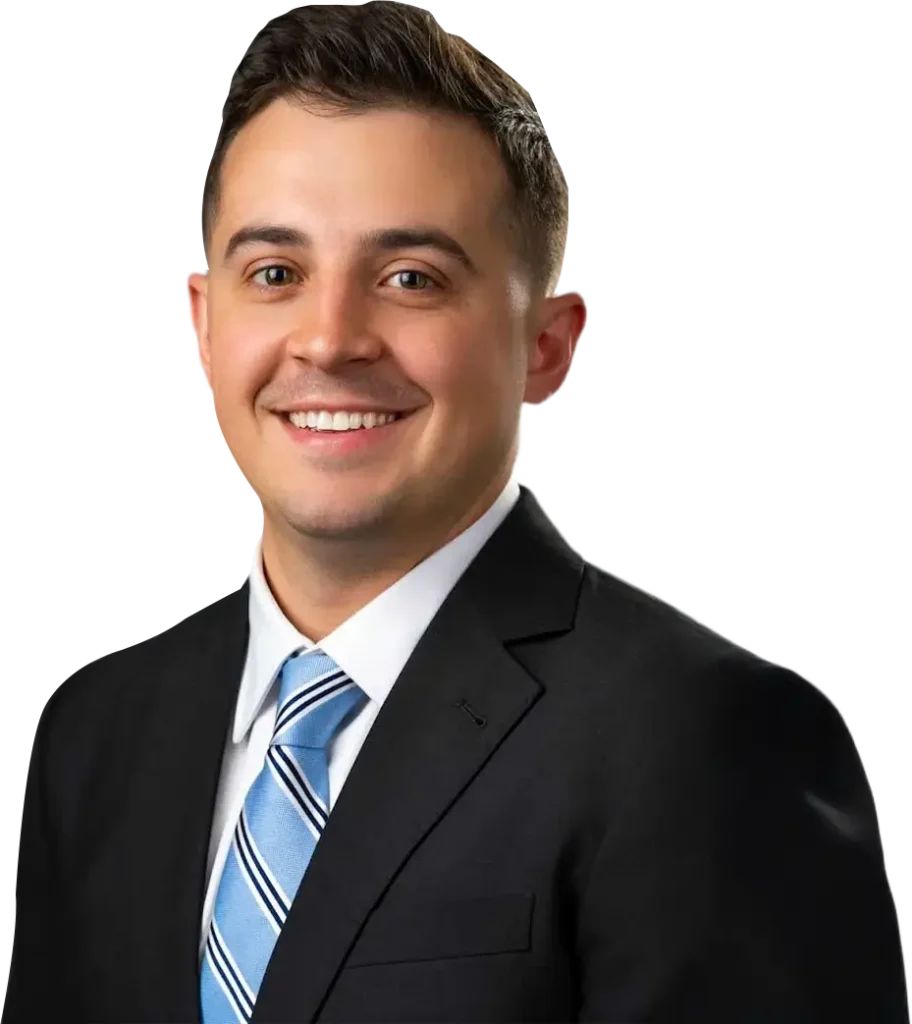
Every case at the firm is handled under the direction of Daniel J. Larson, whose background and credentials are on his attorney profile, and the same approach guides our Boston rideshare accident lawyer team. From the first call you work directly with a lawyer who will explain what your claim involves and what it may be worth.
What our clients say

Your case can be reviewed beyond an insurer's view.
- We handle rideshare crash injury claims for injured clients across Lowell and the surrounding area.
- We deal with the insurers directly so you are not pressured into an early, low settlement.
- We move quickly to preserve the evidence that proves both fault and the full extent of the harm.
- We know the Massachusetts rules that shape these claims and the ways insurers try to limit them.
- We build each claim on medical proof and documentation, not on a rushed call with an adjuster.
- No fee unless we win your case
- No upfront costs
- Direct attorney access throughout
- Free, no-pressure case review


A driver's app status during a crash may affect coverage.
Massachusetts regulates rideshare insurance under MGL Ch. 175 Sec. 228. Coverage shifts entirely based on what the driver was doing in the app at the time of the crash. In Lowell, where rideshare drivers move between the Gallagher Transportation Center, the VFW Highway, Pawtucket Boulevard, and the city’s documented high-crash corridors, the phase question arises across a dense and complex urban environment.
Phase 1 – app off
When the driver’s app is fully off, Uber and Lyft provide no coverage. Only the driver’s personal auto policy applies. Under MGL Ch. 175 Sec. 228, personal auto insurers may exclude coverage while a driver is providing TNC services – but when the app is off, that exclusion does not apply. Proving the app was off requires the rideshare company’s own timestamped trip records, not the driver’s account.
Phase 2 – app on, waiting for a request
Once the driver activates the app and signals availability, Massachusetts law treats them as providing TNC services. The TNC’s contingent coverage becomes available – but this is where most Lowell rideshare coverage disputes originate. The driver’s personal insurer may deny the claim citing the TNC services exclusion under MGL Ch. 175 Sec. 228, while the TNC’s insurer disputes being the primary policy. Rideshare drivers circling near the Gallagher Transportation Center or the VFW Highway between rides are in Phase 2, and crashes in that window frequently trigger a dispute between two insurers.
Phase 3 – ride accepted or passenger on board
From the moment a driver accepts a trip – whether heading to a pickup or transporting a passenger – Massachusetts law requires the TNC to maintain at minimum the statutory per-occurrence coverage including uninsured motorist protection and PIP under MGL Ch. 175 Sec. 228. If you were a passenger in an active Uber trip on the VFW Highway, Pawtucket Boulevard, or any other Lowell corridor when the crash occurred, Phase 3 coverage applies to your claim.
The rideshare company’s timestamped trip data is the only reliable way to confirm which phase applied at the moment of impact. On Lowell’s documented high-crash corridors – the VFW Highway at Bridge Street was the single most dangerous intersection in Massachusetts statewide in MassDOT’s 2014-2016 report, and Pawtucket Boulevard recorded 202 crashes since 2017 per Streetsblog citing MassDOT – the phase determination matters at exactly the locations where crashes are most likely to happen. That data needs to be requested before routine deletion.
How rideshare insurance works in Massachusetts
Massachusetts regulates transportation network company insurance under Ch. 175 Sec. 228, and the coverage that responds depends on the driver’s status in the app at the time of the crash. When the app is off, only the driver’s personal auto policy applies. When the app is on but no ride has been accepted, a lower contingent layer applies. Once a ride is accepted and during the trip, the rideshare company’s larger commercial coverage is in effect. Because these phases carry very different limits, the company and its insurer have an incentive to describe the driver’s status in the way that minimizes their exposure. Establishing the driver’s actual app status at impact, through trip records and timestamps, is usually the first and most important step in a Lowell rideshare claim.
Lowell’s mix of downtown streets, university traffic, and busy connector roads produces constant rideshare activity, from pickups near the University of Massachusetts Lowell campus and the Gallagher Terminal to trips along Central Street, Merrimack Street, and the routes feeding the highways. A single crash can injure a rideshare passenger, a person in another vehicle, or a pedestrian or cyclist, and each may have a claim. Sorting out which policy responds, and preserving the trip data that fixes the driver’s status, is work that rewards moving quickly before records are lost.
No two cases are exactly alike. Alongside rideshare crashes, our attorneys also handle car crashes, truck accidents, scooter crashes, and pedestrian injuries, bringing the same focus on full recovery to every client.
Passengers, pedestrians, cyclists, and other drivers - a claim may be available for each.
- Passengers injured during an active Lowell ride: If you were a passenger in an active Uber or Lyft trip in Lowell when the crash occurred, Phase 3 coverage under MGL Ch. 175 Sec. 228 applies. As a passenger you generally did not contribute to causing the crash. Whether the Uber driver’s negligence caused it or another driver hit the vehicle, a personal injury claim may be available against the applicable coverage.
- Pedestrians hit by rideshare vehicles on Lowell’s corridors: MassDOT recorded 217 pedestrian-involved crashes in Lowell between 2019 and 2021. Pawtucket Boulevard recorded 202 crashes since 2017, with 61 causing injury, and was the site of a fatal pedestrian crash in May 2021, documented in Streetsblog Massachusetts and the Middlesex DA’s Office. Rideshare drivers stopping for pickups or dropping passengers on these corridors create consistent pedestrian conflict. If a rideshare driver struck you on foot in Lowell, the phase the driver was in at the moment of impact determines which coverage applies.
- Other drivers hit by Uber or Lyft vehicles in Lowell: If an Uber or Lyft driver caused a crash with your vehicle on the VFW Highway, Pawtucket Boulevard, Appleton Street, or any other Lowell road, a claim may be available against the applicable rideshare insurance. The driver’s trip records confirm the phase and determine which coverage applies. The documented crash history of Lowell’s most dangerous corridors may be relevant in establishing what a driver should have anticipated at the specific crash location.
- Wrongful death after a fatal Lowell rideshare crash: When a rideshare accident results in a fatality in Lowell, the surviving family may have grounds for a wrongful death claim under MGL Ch. 229 Sec. 2. The claim must be filed by the executor or administrator of the estate. The three-year statute of limitations runs from the date of death. If an LRTA bus or government vehicle was also involved, the Tort Claims Act presentment deadline under MGL Ch. 258 is two years after the cause of action arose.
No-fault benefits still come first
Even in a rideshare crash, Massachusetts no-fault rules apply, and Personal Injury Protection benefits under Ch. 90 Sec. 34M pay initial medical bills and part of lost wages regardless of fault. For a passenger, PIP may be available through the vehicle they were riding in; for a pedestrian or cyclist struck by a rideshare vehicle, PIP coordination can be more complicated. Getting this right early keeps medical bills from falling on the injured person while the larger liability claim, backed by the rideshare company’s commercial coverage under Ch. 175 Sec. 228, is developed.
Deadlines and public vehicles
Most Massachusetts injury claims must be filed within three years under Ch. 260 Sec. 2A, but rideshare trip data can be lost much sooner, which makes early preservation important. If a public entity’s vehicle contributed to the crash, the Massachusetts Tort Claims Act applies and Ch. 258 Sec. 4 requires written presentment to the proper official within a strict window before any lawsuit. Identifying every responsible party, from the rideshare driver and company to any other at-fault motorist or public entity, has to happen early so no deadline is missed.
Why the rideshare insurer is not on your side
The rideshare company’s insurer exists to protect the company, not you. It may dispute the driver’s app status to push the claim into a lower coverage tier, question whether your injuries came from the crash, or make an early offer before the full extent of a serious injury is documented. Larson Law’s role is to establish the driver’s status with trip records, connect your injury to the crash through the medical record, identify every policy that may respond, and hold the insurer to what the evidence shows rather than to whichever version of events costs it the least.
Who can bring a claim after a Lowell rideshare crash
Rideshare crashes injure people in several different positions, and each may have a claim. A passenger in the Uber or Lyft usually has the clearest path, because they were simply a rider and fault rarely falls on them; their claim generally runs against the at-fault driver and the applicable rideshare or personal coverage. A person in another vehicle struck by a rideshare driver may claim against that driver and, depending on app status, the company’s coverage under Ch. 175 Sec. 228. Pedestrians and cyclists, common on Lowell’s downtown streets and near the university, can be seriously injured by a turning or distracted rideshare driver and may pursue the same layers of coverage. In each case the analysis starts with the same questions: who was at fault, what was the driver’s app status, and which policies respond.
Because the answers depend on records the rideshare company controls, acting early has real value. Trip logs, GPS timestamps, and app-status data establish which coverage tier applies, and dashcam or nearby business footage can show how the crash happened. Medical records created promptly after the crash tie your injuries to the collision and make it harder for an insurer to argue the injury came from something else. Larson Law gathers this evidence, coordinates the no-fault benefits available under Ch. 90 Sec. 34M with your health coverage, and builds the claim around what the records actually show, so an injured Lowell rider, driver, or pedestrian is measured by the true extent of the injury rather than by an insurer’s first low estimate.
Because rideshare trips cross city lines, a Lowell crash can involve a driver or company based elsewhere, and we handle these claims the same way across the region, including as a Cambridge Uber accident lawyer in the county to the south. Wherever the trip began or ended, the driver’s status and the trip data decide which coverage applies.
What a Lowell Uber accident claim may cover.
The scope of what your claim may support depends on your injuries, all applicable insurance policies, and the facts of the crash. We work through every applicable category so nothing is overlooked.
What a Lowell rideshare claim may cover follows the same categories as any Massachusetts injury claim, even though the insurance layers differ. Economic damages include past and future medical treatment, lost wages, and reduced earning capacity when an injury keeps you out of work. Non-economic damages address the physical pain and the disruption a serious injury brings to daily life, and in a motor vehicle case they become available once the tort threshold under Ch. 231 Sec. 6D is met. As a rideshare passenger you were not driving, so arguments that you shared fault are uncommon, but if you were hurt as another driver the modified comparative negligence rule under Ch. 231 Sec. 85 can apply, reducing recovery by your share of fault. Where a rideshare crash causes a death, the claim proceeds as a wrongful death action under Ch. 229 Sec. 2, brought by the estate. The strength of the medical record and the trip evidence is what ultimately determines the range a claim can support.
What makes rideshare cases distinctive is the insurance, and getting the coverage question right is most of the battle. During a ride a $1 million commercial policy applies, and PIP still pays the first medical bills and part of your lost wages regardless of fault. A serious crash can cause a catastrophic injury, and a full recovery accounts for the pain and lasting disruption it causes, valued through a careful accounting of every present and future cost. Our Boston personal injury attorney office handles these matters across the region.
Medical Bills and Treatment Costs
Lost Wages and Earning Capacity
Pain and Suffering
Wrongful Death Claims
After a Lowell Uber crash, three steps protect your claim.
Get medical care and save trip data
Seek treatment and tell providers how the collision happened. Save the ride receipt, the driver details, photos, injury notes, and witness contacts. Avoid insurer statements. Get moving without delay.
Talk to a rideshare accident lawyer
Trip history can show the driver's status and which insurance coverage was in effect. Larson Law can request the records, examine the timeline, and map the insurance questions. The first call is free.
We handle the whole claim from here
Larson Law secures the trip records, examines each insurance policy, communicates with the insurers, and monitors every deadline in your rideshare claim. We take it from here. We carry it for you now.
- 5.0 stars out of 100+ reviews
Speak with a Lowell Uber accident lawyer. No cost, no pressure.
Rideshare accident claims in Lowell involve layered insurance, coverage disputes that move quickly, and trip data that needs to be preserved fast. Tell us what happened and we will explain which phase of coverage applies, who may be responsible, and what your claim may support.
By submitting this form, you acknowledge that doing so does not create an attorney-client relationship. Please do not include confidential information. Contacting us does not obligate you to retain our services.
Our Clients.


Our Practice Areas.
Three simple steps stand between an injury and the recovery you are owed.
Lowell Uber accident questions - answered directly.
I was a passenger in an Uber in Lowell when we crashed. What coverage applies?
As an Uber passenger you are almost always covered. During a ride, the rideshare company’s $1 million commercial policy applies to injuries caused by the Uber driver or another driver, and your own coverage may add to it. Passengers rarely face a coverage gap, which is one reason these claims are worth pursuing fully.
My Uber crash happened on the VFW Highway in Lowell. Does that road's crash history matter?
It can help. A documented crash history at a location like the VFW Highway can corroborate how your collision happened and reinforce a known hazard. We pair that public record with the trip data, the police report, and any camera footage to build the claim on evidence rather than argument.
The Uber driver who hit me says the app was off. How do I verify that?
It is verifiable, and it matters. Whether the app was on, and whether the driver was waiting, heading to a pickup, or mid-ride, determines which insurance applies. The rideshare company holds trip and log data showing the driver’s exact status, and we demand those records so the account cannot quietly shrink your coverage.
How does Massachusetts no-fault PIP apply after a Lowell Uber accident?
It is verifiable, and it matters. Whether the app was on, and whether the driver was waiting, heading to a pickup, or mid-ride, determines which insurance applies. The rideshare company holds trip and log data showing the driver’s exact status, and we demand those records so the account cannot quietly shrink your coverage.
The Uber driver's personal insurance denied my claim. What now?
That is common and usually not the end. A personal auto policy typically excludes crashes that happen while driving for a rideshare, but that is exactly when the company’s commercial coverage takes over. A denial from the personal insurer often points to which policy actually applies rather than defeating your claim.
I was hit by an Uber driver as a pedestrian near the Gallagher Transportation Center in Lowell. Do I have a claim?
Yes. A pedestrian struck by an Uber driver has a claim, and the coverage depends on the driver’s status at the moment, waiting, en route, or mid-ride. These cases often involve serious injuries, and we identify every policy, the driver’s, the company’s, and your own, that can compensate the harm.
Can I sue Uber or Lyft directly after a crash in Lowell?
Sometimes, but it is complicated. Rideshare companies classify drivers as independent contractors to limit direct liability, so most claims proceed against the driver and the company’s insurance rather than the company itself. Their large commercial policy is usually the real source of recovery, which is why identifying the right coverage matters most.
What if I was driving for Uber in Lowell when another driver hit me?
Then the coverage depends on your status. If you were logged on or carrying a passenger, the rideshare company’s coverage generally applies to injuries another driver caused, layered with uninsured-motorist protection. If the other driver was at fault, you also have a claim against them, and we sort out which policies stack.
My Uber crash happened on Pawtucket Boulevard. Is there specific evidence about that road?
It can help. A documented crash history at a location like the VFW Highway can corroborate how your collision happened and reinforce a known hazard. We pair that public record with the trip data, the police report, and any camera footage to build the claim on evidence rather than argument.
How long do I have to file an Uber accident claim in Lowell?
Generally three years from the date of the crash, with a much shorter notice deadline if a government vehicle was involved. Rideshare trip data and records can disappear far sooner, so the practical deadline for preserving the evidence is measured in days. Acting early protects both.
Where are Lowell Uber accident cases filed in court?
Generally three years from the date of the crash, with a much shorter notice deadline if a government vehicle was involved. Rideshare trip data and records can disappear far sooner, so the practical deadline for preserving the evidence is measured in days. Acting early protects both.
Does Larson Law handle Uber accident cases across Middlesex County beyond Lowell?
Yes. We represent rideshare-accident clients across Lowell and the wider Middlesex County and Merrimack Valley region, and the same approach applies wherever the crash happened. Distance from Lowell does not change the strength of your claim or the coverage available to support it.
Results Disclaimer: Past case results, settlements, and verdicts mentioned on this website do not guarantee or predict a similar outcome in any future case. Every case is unique and depends on its own facts and legal issues.