
Massachusetts Uber Accident Attorney
A passenger is covered by the largest policy in the crash.
You have no relationship with any of the people who now decide what happens next. Not the driver, not the company, not the insurer. Each of them has a relationship with the others.
- No fee unless we win
- Same-day response
- Free case review
As Seen On:













Being outside it is the whole problem.
The company’s position starts further back than most people expect. It does not describe itself as a transport business. It describes itself as software that connects two other parties, and a great deal of how a claim runs follows from that framing. It is why the driver is called a partner rather than an employee, and why the cover attaches to the trip rather than to the person.
You also agreed to terms, in the sense that everyone agrees to terms. Somewhere inside them are provisions about how disputes get handled, and whether those reach an injury claim at all is a live question rather than a settled one. It is worth having somebody read what you accepted before assuming either that it binds you or that it does not.
Against all of that, a passenger sits in the strongest position of anyone involved. You were not driving, you had no say in the route, and nobody is going to argue seriously that you contributed. Claims from the back seat are the cleanest kind there is.
The driver is often outside it too. They are not an employee, they carry no sick pay, and a crash can mean the account goes quiet while somebody reviews it. That is worth knowing, because people expect the driver to be an opponent and are surprised when they are not. Someone with nothing to gain from the company’s version of events is sometimes the most straightforward person in the whole matter.
Which makes it odd how often nothing happens. People decide the injury was not bad enough, or that making a claim feels like an overreaction against a driver who was perfectly decent to them. The driver is not the one who pays, and the cover exists whether anyone uses it or not.
What needs doing is small and time limited. The ride sits in your own account history, and so does the receipt. Screenshots of both take a minute and cannot be revised afterwards. After that it becomes a question of who asks the company for what, and when.
There is also more of a record than most people realise, and some of it belongs to you. If you reported the crash through the app, that message exists with a date on it and your own words inside it. Support conversations are stored. The rating and any comment left afterwards are stored. None of it was written for a claim, which is exactly what gives it weight later.
If you were not travelling alone, each person in the car has a claim of their own. They do not compete for the same one, though where injuries are severe they can be drawing on the same limit, which is a reason to move together rather than one at a time. Friends who were in the same vehicle often end up with one of them making a claim and the rest doing nothing, usually because nobody said any of this out loud.
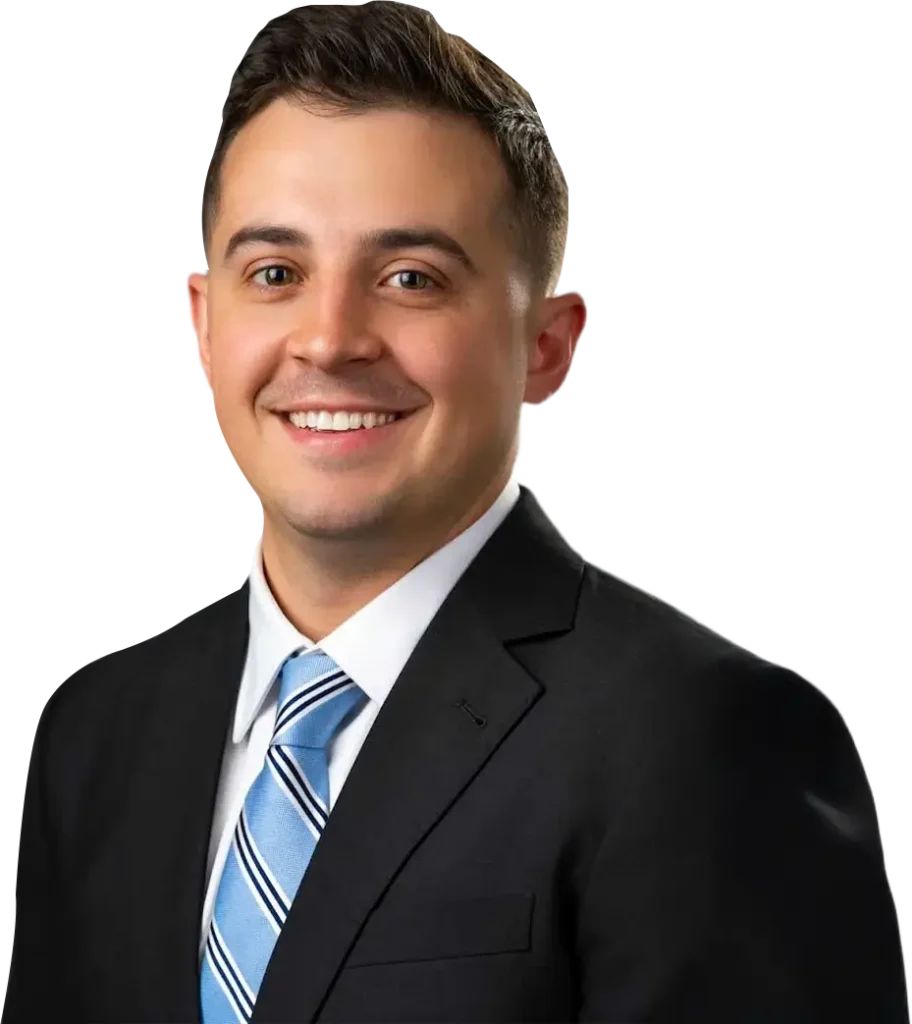
Daniel J. Larson reviews the ride, the injuries and the cover himself before anything is filed. Most of that first conversation is him asking questions rather than explaining anything.
What our clients say

Somebody in the room who answers to you.
- We handle Uber and Lyft crash claims for passengers, drivers, and pedestrians across Massachusetts
- We sort out which rideshare and personal policies apply so no coverage is left behind
- We prove fault when the drivers and their insurers try to point the blame at each other
- We push back on the quick, low offers big rideshare insurers make before you know the harm
- Attorney Daniel J. Larson prepares every rideshare case as if it may have to go to trial
- No fee unless we win
- Free, private case review
- Same-day response
- Honest advice from day one


The parts nobody is actually arguing about.
Cover exists before anyone argues
Start with the part that is not in question. These companies are required to carry cover, and that requirement does not depend on anyone agreeing to it after the fact.
So the argument is never about whether cover exists. It is about which tier of it applies, and that is a narrower fight than it is usually made to sound.
The distinction matters because the two get blurred deliberately. A letter saying the position is under review reads like a denial to somebody who has never seen one before. It is not a denial. It is a scheduling problem being described in careful language.
Whose job it is to prove what
People assume a passenger has to work out which policy applies before they can claim anything. That is not how the burden falls.
What an injured passenger has to establish is that they were hurt, how badly, and that the crash caused it. Which insurer ends up carrying that is a question between the insurers.
This is worth holding onto, because a fair amount of correspondence is written to make it feel like your problem. Requests for you to explain the driver’s status, or to chase the company yourself, are not obligations you signed up for.
What a coverage dispute actually costs you
The practical effect of a tier dispute is delay rather than refusal. Two carriers take a position, neither moves, and months pass without anything being decided or denied. Meanwhile the treatment continues and the bills arrive on their ordinary schedule, which is where the pressure to accept something early actually comes from.
None of that waiting is neutral. A serious injury needs treatment decisions taken on medical grounds rather than on what somebody can currently afford, and a stalled coverage question quietly starts making those decisions instead.
Where an injury turns out to be permanent, the size of the tier stops being a technicality and becomes the ceiling on everything that follows. The difference between a personal policy and a commercial one is the difference between covering a few months and covering the lasting costs of a severe injury.
So the honest summary is this. Very little of the law here is contested. What gets contested is timing, and timing is answered by somebody sending the right letter early rather than by anybody winning an argument.
It happened somewhere you were passing through.
When you do not live where it happened
Rides carry people who are not from anywhere near the road they end up on. Visitors, students, somebody in for two nights, somebody heading to a flight.
A crash in that situation splits everything across places. Treatment starts here and continues at home. Records sit in one state and the claim belongs in another. None of that prevents a claim and all of it slows one down, which is worth knowing before a delay gets read as a problem with the case itself.
What your own phone still holds
The device in your pocket is a record nobody else controls. It has the booking, the route it drew on the map, the time the ride started and the time it stopped. It probably has photographs you took without thinking about why, and messages sent that evening describing what had happened.
That material is yours, it cannot be revised by anyone else, and it does not depend on a company answering a letter.
Back it up somewhere other than the phone. Phones get replaced, accounts get closed, and people lose the whole thing in the months when they are least able to notice.
The first call you get
An adjuster will call, often within days and usually pleasantly. The call is work rather than courtesy, and the request to record you is the part that matters.
Nothing obliges you to give a recorded statement to somebody else’s insurer, and there is no advantage in doing it early, before anyone knows how the injury settles. Confirming that a crash happened, on a date, in a vehicle you booked, is a different thing entirely and costs you nothing.
Two habits carry most people through the first fortnight. Answer what is asked and no more, and put anything that matters in writing so the version on file is the one you wrote.
Ten minutes in a car, and years of this.
The trip is not the unit of measurement. What it interrupted is. Somebody who takes rides rather than driving is usually a person for whom getting about was already an arrangement rather than a given, and an injury turns every appointment into another booking, another fare, another hour. None of that arrives as a medical bill and all of it is real. The same goes for whatever you were on your way to, and for the months afterwards when the answer to most invitations quietly became no. A claim built only from receipts misses all of it, because receipts record what was spent rather than what was lost.
Medical Bills and Future Care
Lost Wages and Earning Capacity
Pain, Suffering, and Hardship
Wrongful Death of a Loved One
Three things, before anyone calls you.
Get medical care and a police report
See a doctor right away, even if you feel okay, and make sure the crash is reported to police. Fast care builds a record tying your injuries to the wreck, which insurers question if you wait too long.
Save the trip and crash evidence
Screenshot your Uber trip, the driver, and the receipt before they are gone from the app. Photograph the vehicles, the scene, and any injuries, and get names and numbers from passengers and witnesses.
Talk to a lawyer before the insurer
Before you give an insurer a statement or accept a quick payout, talk with a lawyer who can sort out the coverage. Early advice shields the evidence and your deadline while you focus on your recovery.
- 5.0 stars out of 100+ reviews
Send the trip to a Massachusetts Uber accident attorney.
Before anything else, get the trip out of the app. Both companies let a rider request a copy of their own account data, and that request goes in under your name rather than a lawyer’s, so it does not wait on anybody. A screenshot of the receipt covers most of it meanwhile. The reason to do it now is mundane. People change phones, close accounts, and stop opening an app that reminds them of a bad night, and the ride goes with it. Once a copy exists somewhere else, the rest can move at whatever pace your recovery allows.
By submitting this form, you acknowledge that doing so does not create an attorney-client relationship. Please do not include confidential information. Contacting us does not obligate you to retain our services.
Our Clients.


Our Practice Areas.
The tiles below cover the other work this office takes on, and one of them overlaps this page more than the rest. Where the vehicle that hit your ride was a commercial one, the cover sitting behind it is a different size and a different shape, and the claim stops being only about the app. Crashes involving heavy vehicles are set out separately for that reason.
Asked by riders, drivers and people on foot.
Do I have a claim if I was an Uber passenger?
Yes. As a passenger you were not at fault for the crash, and you can pursue a claim against whichever driver caused it. During an active trip a large commercial liability policy also applies, so injured rideshare passengers usually have solid coverage to turn to for their losses.
What if an Uber or Lyft hit my car?
You can bring a claim against the rideshare driver just as with any at-fault motorist. What coverage applies depends on whether the driver was carrying a passenger, waiting for a request, or off the app, which is why pinning down the trip status at impact matters so much.
Whose insurance pays after a rideshare crash?
It depends on the app’s status at the moment of the crash. Off the app, the driver’s personal policy applies; waiting for a ride, limited company coverage applies; during an active trip, a much larger commercial policy applies. Sorting out which layer governs is central to the claim.
What if the app was off when the crash happened?
Then the driver’s personal auto insurance is generally the coverage that responds, not the rideshare company’s commercial policy. Because that changes how much protection is available, establishing the app’s status through the trip record and the company’s data is one of the first things worth doing.
What if I was a pedestrian or cyclist?
You can still recover. A rideshare driver who strikes a pedestrian or cyclist is responsible just as with any other person, and the same tiered coverage applies based on the app’s status. Injuries in these crashes tend to be serious, so the full extent of harm should be documented carefully.
How long do I have to file a claim?
Three years from the crash, and where you live does not extend it. That is worth saying, because people who were visiting often assume the rules of home apply, or that being out of state buys them time. It does not work that way. A crash here is generally governed by the deadline here, whoever you are and wherever you went afterwards. The practical effect is uncomfortable. Somebody recovering two states away, with treatment and paperwork inside another system, works to the same clock as somebody who lives down the road, and usually with less help close at hand.
What if I was partly at fault?
Then it reduces the award rather than ending it, provided your share stays at or below the other side’s. For a passenger the more useful answer is that it rarely comes up at all. You were not driving, not choosing the route, and not deciding the speed. Where it does arise it is usually about a seat belt, and Massachusetts limits how far that argument can be taken in an injury case, which surprises people who assume it settles the matter. The other version is quieter and worth naming. Somebody who ordered the ride sometimes feels responsible for having ordered it, or for picking that driver off the screen. Neither is a legal position. Nobody chose a driver.
What is a rideshare crash claim worth?
It depends on the injuries and their lasting effect, the treatment required, the income lost, and how the crash changed your life, not on any fixed formula. Because a large commercial policy often applies during an active trip, there is frequently real coverage behind a serious claim.
Should I take the insurer's first offer?
Usually not. A first offer tends to arrive before the full extent of a serious injury is known and is designed to close the claim cheaply. Once your treatment and its lasting effects are documented, the claim can be valued for what it is truly worth.
What if a loved one died in the crash?
If a rideshare crash proved fatal, close family members may bring a wrongful death claim under Massachusetts law for the losses they suffer, including lost support and companionship. Such a claim has its own deadline, and holding the responsible parties accountable can bring a measure of stability.
How much does an Uber accident attorney cost?
Nothing up front. These cases are handled on a contingency fee, so you pay no attorney’s fee unless there is a recovery, and the first case review is free. That lets an injured person pursue a well-insured rideshare claim without worrying about hourly bills.
What should I do right after a rideshare crash?
Call 911 and get medical care promptly, even if you feel able, because serious injuries can surface later. Screenshot the trip in the app, photograph the vehicles and the scene, get the driver’s and any witnesses’ information, and speak with a lawyer before giving a recorded statement.
Results Disclaimer: Past case results, settlements, and verdicts mentioned on this website do not guarantee or predict a similar outcome in any future case. Every case is unique and depends on its own facts and legal issues.