BROOKLINE BICYCLE ACCIDENT LAWYER
Delivery trucks parked in bike lanes push riders into moving traffic.
Shipping firms whose idle trucks shove riders into moving traffic can carry shared fault. Ticket records and route logs pinpoint which truck sat inside that lane, and at what hour.
- No fee unless we win
- Same-day response
- Free case review
As Seen On:













Courier route logs and storefront video vanish quickly after bike crashes.
Bicycle riders on these crowded streets hold the same road rights that drivers of cars and trucks enjoy. Motorists must share each lane, yield at crossings and treat a cyclist as lawful traffic, never as clutter. Too many drivers forget that duty while hunting for parking near busy cafes and storefronts. Collisions follow quickly, since riders lack the metal shell, airbags and belts that cushion motorists. Sometimes just a slow bump from a turning van throws a rider headfirst onto pavement or rails.
Parcel vans and box trucks routinely halt inside painted bike lanes so their drivers can unload cartons. Riders approaching from behind must swerve left into moving traffic, sometimes with only seconds of warning. Passing cars, buses and ride app vehicles rarely expect that sudden move and strike the cyclist. Blame may extend to the parked truck’s operator and employer, not merely the motorist who made contact. Courier firms train drivers about curbside stops, so a blocked lane often reflects company habits too.
Rideshare cars dropping passengers mid-block create another familiar hazard for commuters pedaling toward offices. Shuttle operators, contractors hauling equipment and catering vans add more turning vehicles near crowded intersections each morning. Each business that puts a vehicle on these streets carries insurance and owes riders ordinary care. Identifying every company involved matters, since one policy alone rarely stretches far enough for permanent harm. Riders hurt just across the border in the larger city can learn how bike claims on downtown streets move forward.
Footage disappears fast, so requests reach storefront owners and the transit agency within days. Courier companies get prompt written demands to hold their GPS histories and driver logs untouched. Witness names gathered by police or bystanders get followed up while memories remain sharp and specific. Damaged bicycles, torn clothing and cracked helmets stay preserved as physical proof of impact force. Emergency room charts get collected early, so each injury connects clearly with the hour it happened.
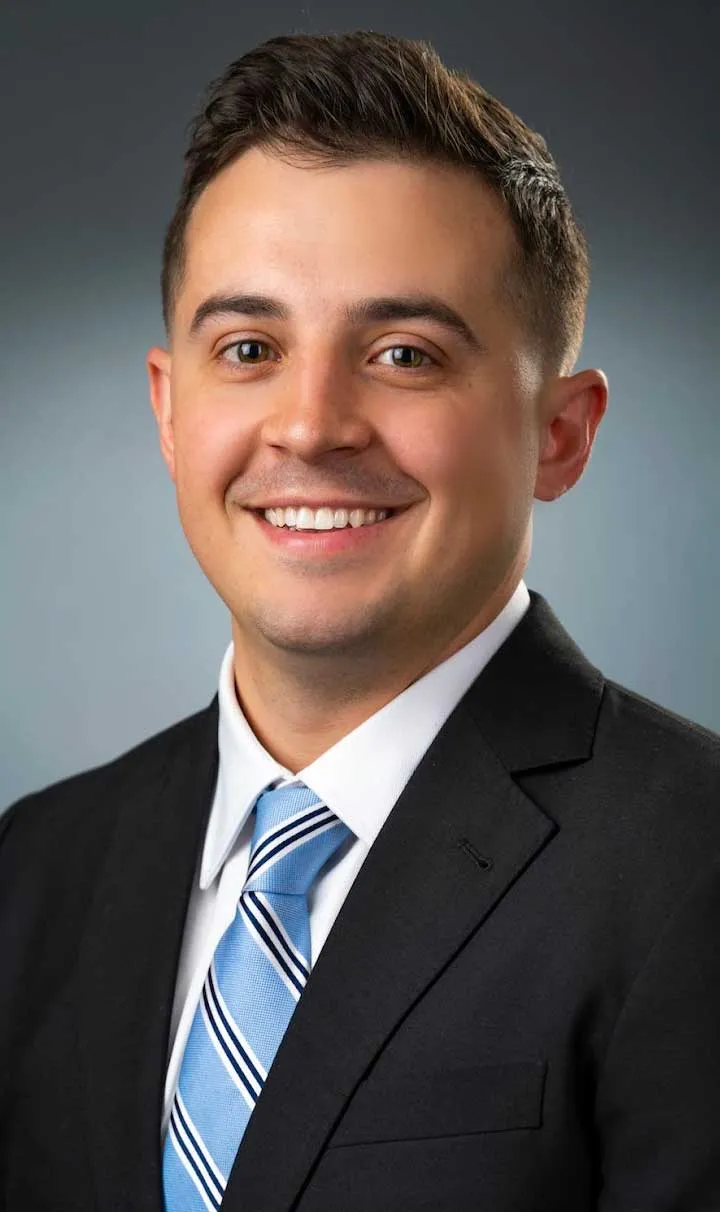
Courier collisions, trolley-track spills and door strikes all reach this firm from riders of every age. Bicycle files reach Daniel J. Larson early, while courier logs and trolley footage can still be secured. Clients learn plainly what that proof establishes and which companies may owe payment for each loss. Concerns over bills, missed shifts and bike repairs get answered as treatment moves forward each week. Riders still wearing slings never have to argue with a delivery company’s insurance representative.
Insurance companies for large fleets sometimes call within hours, hoping riders will accept blame casually. Recorded statements given in pain or on medication can later be twisted to suggest careless riding. Riders may politely decline those calls and refer every caller to their attorney’s office instead of chatting. Nightly entries about pain levels and canceled plans also give the eventual demand extra weight. Those simple habits protect a cyclist’s claim while broken bones knit and deep bruising slowly fades.
What our clients say

Injured cyclists get help from lawyers who know these streets.
- We handle bicycle crash claims for injured riders across Brookline and the surrounding area.
- We deal with the driver’s insurer directly so you are not blamed or pushed into an early, low settlement.
- We move fast to preserve the scene, the police report, camera footage, and witness accounts before they fade.
- We know the rules that give cyclists the road and the ways insurers try to limit a claim.
- We build each claim on medical proof and crash evidence, not the insurer’s reckless-rider narrative.
- No fee unless we win
- No upfront costs
- Direct attorney access
- Free case review


Motorists crossing painted bike lanes must check mirrors first.
Drivers sharing pavement with cyclists must pass with enough room that a wobble or pothole causes no contact. Right-turning motorists crossing a bike lane must check mirrors and yield to cyclists approaching from behind. Parked motorists must look backward before opening, since doors flung into a rider’s path cause many serious falls. Commercial drivers carry the same duties, and their employers usually answer for mistakes made during deliveries. Ignoring any of these duties points strongly toward fault once insurance companies review what happened.
Riders may draw payment through several policies.
Car owners who get hurt while cycling turn first to their own auto policy, even without driving. Initial hospital charges and a slice of missed earnings come from that coverage, capped at a fixed amount. Cyclists without a car may claim under a policy belonging to a relative sharing their household. If neither exists, the policy covering the striking vehicle usually handles those early bills instead. Using this first layer quickly keeps hospital and physical therapy invoices from landing in collections while the case develops.
Should medical costs pass that limit or injuries prove serious, the driver’s bodily injury coverage steps forward. That policy answers for pain, lasting limitations, future treatment and wages beyond the first layer’s reach. Ride app vehicles often carry larger company policies that apply while a driver has a passenger or trip. Company vans and shuttles typically fall under commercial policies with higher limits than personal cars carry. Riders carrying underinsured protection on their own policy may collect extra when the driver’s limits run dry.
A delivery truck parked in the bike lane may never touch a rider yet still set the whole chain of events in motion. By blocking the lane, its driver forced the cyclist into traffic where another vehicle struck them. Courier companies and their insurance can therefore share responsibility with the motorist who made actual contact. Parking tickets, dispatch records and app timestamps reveal which truck sat there and roughly how long its driver lingered. Naming that business early matters, because delivery routes change and drivers move between jobs quickly.
Crashes without any driver happen too, usually when deep potholes or crumbling pavement beside trolley rails catch a tire. Hazardous street claims against the town need written notice within a very short period, far sooner than ordinary lawsuits. Overlooking that short window can defeat recovery entirely, however severe the cyclist’s injuries. Pictures showing a ruler beside the hole, plus the exact location, help the notice describe the defect. Municipal payouts also carry special caps, so careful handling matters immediately.
Adjusters for fleets frequently argue the cyclist ran a red signal, dressed darkly or weaved through stopped cars. Under shared fault rules, a cyclist still collects unless the rider’s share exceeds the drivers’ combined share, with awards trimmed accordingly. Storefront video and independent witness accounts usually answer those accusations far better than argument alone ever does. Guessing about speed or lane position during any insurance call can hurt a rider later. Small admissions made while shaken at the curb can grow into large blame percentages during later negotiations.
Some drivers flee after striking a cyclist, especially delivery drivers rushing to meet tight schedules. When nobody is identified, claims after a driver flees can usually be paid by uninsured motorist protection that the rider’s household policy includes. That protection often extends to cyclists through a relative’s household policy when they own no car themselves. Prompt police reports are essential, since insurance companies expect a timely record whenever a driver vanished. Shop cameras and bus video can sometimes identify the fleeing vehicle’s plate or company markings days afterward.
Adults are not required to wear a helmet while riding, though riders below a set age must strap one on. Going without a helmet leaves an adult cyclist’s case against a careless motorist standing. Adjusters sometimes raise it anyway, especially when a head injury shows up in hospital records. The response focuses on what caused the collision, which was the driver’s choice, not the rider’s gear. Helmet arguments never touch broken wrists, damaged shoulders or fractured legs, which the claim still covers fully.
Bicycles themselves count as property losses, whether a commuter hybrid, a racing frame or a cargo bike. Bike shops can supply repair estimates or replacement prices that document this property loss clearly. Damaged gear counts too, including helmets, lights, locks, clothing, phones and laptops carried in panniers. Food-delivery riders who lose the e-bike they depend on can also claim the income missed while replacing it. Broken equipment should stay unrepaired until each item is photographed, priced and listed for insurance.
Trolley rails, cramped shopping blocks and hospital shuttles shape local crashes.
The town’s widest boulevard has trolley tracks running down its median, with rails crossing at nearly every intersection. Narrow bicycle tires can drop into the rail grooves and pitch riders forward without warning. Motorists turning left over those rails often watch for trolleys and overlook cyclists riding straight ahead. Parked cars line the outer lanes, so doors and pulling vehicles squeeze riders toward the rails. Wrecks along this corridor often combine a careless driver with a hazard built into the roadway itself.
Two other trolley branches run along or through the town, one along a busy avenue and another through quieter blocks. Stops close to the street send passengers across lanes cyclists also use. Riders must weave around waiting crowds while impatient drivers try to pass the stopped trolley. Rail crossings on these branches appear at angles that make a clean, square crossing difficult for bicycles. Transit operators and drivers sharing these corridors both owe riders careful attention near every platform.
Commercial village streets lined with restaurants, bakeries and shops stay busy from breakfast until late evening. Every morning, delivery trucks double-park outside these storefronts, blocking bike lanes while crews wheel in supplies. Riders forced around them meet drivers who rarely check mirrors before drifting toward the center line. Restaurant suppliers compete with beverage distributors and package carriers for the same few feet of curb. Several crashes may trace to one company that routinely stops in the lane rather than finding legal parking.
Paint-only bike lanes sit beside parked cars on many main roads, leaving riders inside the door zone. Newer separated lanes use posts or curbs, yet driveways and loading zones still interrupt them frequently. Drivers exiting garages or turning into lots must cross these lanes, yet many never glance sideways. Rideshare vehicles pulling over for pickups cut across painted lanes with little or no signal. Where that protection ends at an intersection, riders suddenly share space with turning freight vehicles.
Students and office workers ride toward nearby universities and downtown jobs during crowded morning and evening rushes. Many choose bicycles because parking is scarce and the trolley fills quickly at peak hours. Meal couriers on e-bikes add steady traffic at lunch and dinner, often racing tight deadlines. Those workers face questions about their apps, their employers and their own coverage whenever injured on shift. Anyone hurt just past the town line can find help for crashes in the adjoining neighborhood through this office.
Steep hills in the quieter parts of town let riders build real speed on long descents. Contractors’ trucks parked on blind curves can hide cyclists from oncoming drivers until impact becomes unavoidable. A popular loop around the reservoir draws weekend riders who share pavement with joggers and impatient motorists. Drivers cutting through on errands or deliveries sometimes treat those quiet roads as shortcuts at high speed. Speed, sightlines and road surface all matter when rebuilding how a downhill or loop crash happened.
Medical district traffic crowds riders near the curb.
A large medical district sits next door, drawing staff shuttles, ambulances and supply vans through shared streets. Shuttle buses stop often and pull out quickly, sometimes cutting off cyclists who were already alongside. Linen trucks, pharmacy couriers and lab specimen vans also run tight schedules between buildings all day. Hospital staff who bike to early shifts ride through this traffic in darkness during winter months. Shuttle operators are usually contractors carrying commercial insurance, an important source when injuries run deep. Crashes with heavy supply vehicles raise issues resembling claims against large truck fleets, where driver logs and company rules matter.
Snapped collarbones, cracked wrists and road rash leave lasting costs.
Riders thrown over handlebars usually land on an outstretched arm or the point of a shoulder. Collarbones snap easily in these falls, and some require plates and screws before they heal straight. Separated shoulders and torn rotator cuffs can follow, limiting overhead reaching well into the following season. Treatment for shoulder damage from a bike fall may include injections, therapy and sometimes surgical repair. Therapists’ notes record each lost degree of motion and how slowly lifting strength returns over time. Workers who lift, carry or reach for a living often miss weeks or months of paid shifts. Sleep suffers too, since lying on an injured shoulder stays painful for weeks on end.
Wrist fractures are common because falling riders instinctively stretch a palm toward the asphalt. Scaphoid breaks sometimes stay invisible on first x-rays, so repeat imaging may reveal them days afterward. Casts, surgery and stiffness can keep delivery riders, cooks and office workers off the job until healing allows. Riders with broken bones from a bike crash need every scan and surgical report collected. Hardware left inside the wrist may require removal later, adding another procedure and recovery period. Grip strength testing during therapy shows how much function returns and what remains permanently weaker. Delivery riders with a broken wrist cannot grip handlebars, which halts their income entirely until healing ends.
Faces often strike handlebars, windshields or pavement, leaving broken noses, cracked cheekbones and knocked-out teeth. Repairs for facial wounds and fractures may involve plastic surgeons, oral surgeons and procedures staged over months. Head injuries happen with or without a helmet, and headaches or memory lapses may emerge gradually. Doctors document brain trauma after a collision through scans, cognitive testing and neurology visits over time. Loved ones and coworkers often notice irritability, confusion or personality shifts before the rider realizes anything changed. Their written observations can document how daily life changed at work and elsewhere afterward. Detailed neuropsychological testing can reveal attention and memory problems that standard imaging scans frequently miss altogether.
Road rash scrapes away layers of skin when a rider slides across asphalt after impact. Deep abrasions risk infection and may need wound care, skin grafts or months of dressing changes. Scars on arms, legs and hips often remain visible long after the wounds finally close completely. Pictures taken every few days show healing stages that hospital notes usually describe in only a sentence. Hip injuries from hitting asphalt may also require imaging and orthopedic follow-up for months. Every such injury belongs in the claim, even ones that looked minor during triage. Infections or grafts sometimes require extra surgery, and those later costs belong in the damages total.
Losses get documented through medical bills, pharmacy receipts, therapy records and letters from employers. Paychecks and tax returns show the income missed, including tips and gig earnings for delivery riders. Delivery apps keep earnings histories that prove what a courier made before the crash interrupted work. Pain that keeps a rider awake never appears on an invoice, so personal logs fill that gap. Doctors’ opinions about future surgery or permanent limits help value the years still ahead. Receipts for taxis, rideshares and transit passes used while unable to bike also count as losses. Assembled in one file, those documents leave insurance companies little room to brush the injuries aside.
Medical Bills and Future Care
Lost Wages and Earning Capacity
Pain, Suffering, and Hardship
Wrongful Death of a Loved One
Hospital care, police paperwork and early guidance protect injured cyclists.
Get medical care and a crash report
See a doctor right away, even if you feel fine, since bicycle injuries often surface later, and make sure the police document the crash, tying your medical record to the driver's fault from the start.
Photograph the whole scene and bike
Photograph the scene, the vehicle, the road, and your bicycle before anything moves, and note the driver's details. Get witness names, since the video and vehicle positions show who was at fault here.
Talk to a lawyer before the insurer
Before you give the driver's insurer a recorded statement or accept a fast payout, speak with a lawyer first, because early advice preserves the crash evidence and protects the filing deadline itself.
- 5.0 stars out of 100+ reviews
Commuters hurt beside parked delivery vans can call right away.
Commuters knocked down by a delivery truck, shuttle or rideshare car can phone and walk through every detail. The conversation covers injuries, treatment so far and any insurance calls already received. Riders also learn how an injury practice serving the whole city approaches claims involving commercial vehicles and blocked bike lanes. Callers finish with a short checklist naming the records worth gathering next.
By submitting this form, you acknowledge that doing so does not create an attorney-client relationship. Please do not include confidential information. Contacting us does not obligate you to retain our services.
Our Clients.


Our Practice Areas.
Larson Law helps injured people and families across Massachusetts after a serious accident. If you were hurt by someone else’s carelessness, we are ready to listen and explain your options.
Fault disputes, claim value, and timing raise regular questions.
Do I have a personal injury claim?
You may, if a driver’s or business’s carelessness caused the crash. The questions are whether someone was negligent, whether that caused your injuries, and how serious the harm is. Drivers often claim they never saw the rider, so an early look at the scene, the video and the insurance shows whether a claim stands.
What kinds of cases do you handle?
Our work covers crashes of every kind, including riders struck by cars, trucks and buses, cyclists hit by opening doors, and riders thrown by road defects, along with pedestrian, rideshare, motorcycle and slip and fall cases. What they share is an injury caused by conduct that should not have happened.
How much is my claim worth?
Value tracks the injuries and how they heal. Medical care, future treatment, lost pay, earning ability, pain, and the bicycle and gear all count. Riders absorb crashes with their bodies, so injuries are often serious, and a careful valuation waits until doctors can describe the full course of recovery.
What if the insurer says I was partly at fault?
Riders carrying some blame can still recover, provided that share never tops half. Payment shrinks by that percentage, meaning a cyclist found twenty percent responsible collects eighty percent. Exaggerated fault percentages are common, and video or witness accounts often correct them before any settlement is reached.
Should I talk to the insurance company?
Be cautious. The driver’s insurer may call within days and sound sympathetic, but its aim is to limit payment, and an early recorded statement can be used to suggest the rider was careless. You are not required to give one, and your lawyer can take those calls while you focus on treatment.
How long do I have to file a claim?
Courts usually expect injury lawsuits to start within a fixed period counted in years after someone gets hurt. A child’s countdown normally pauses until adulthood. Towns and cities can demand written notice within a very short period, for example after a pothole throws a cyclist. Early action also saves camera footage before businesses overwrite it.
What if I cannot afford a lawyer?
No savings are needed to bring a claim. The lawyer is paid only from what the case recovers, at a percentage fixed in writing at the outset, and nothing at all if it recovers nothing. Crash reconstruction, video requests and medical experts are paid for by the firm as the case proceeds.
Do I really need an attorney for my claim?
For a scrape and a bent wheel you may not, but broken bones, head injuries or a disputed fault story usually call for one. Drivers and insurers often blame the rider, and deadlines and coverage rules are easy to miss. A brief review shows whether representation would change the result.
How long will my case take?
That depends on the injuries and the dispute. Some bicycle claims resolve in months, while serious injuries still healing or a driver who denies fault can stretch a case longer and require a lawsuit. Settling before recovery is clear is risky, because an accepted settlement cannot be reopened later.
What if a loved one died from an injury?
Carelessness that kills someone lets the estate seek payment for spouses, children and other close relatives. Families may recover the paychecks their relative would have brought home, lost companionship and burial costs too. Lawyers shoulder the investigation and court work, so mourning relatives need not manage legal deadlines.
What if a car door opened into my path?
A driver or passenger who opens a door into a cyclist’s path is usually responsible, because they must check that it is safe first. The parked car’s insurance typically answers for the harm, and witness accounts, door damage and nearby business video help show exactly how the crash happened.
What should I do after an accident?
Get medical care right away, since head and internal injuries can surface later, and make sure police document the crash. Photograph the scene, the vehicle, the road surface and your bicycle, keep the damaged helmet and gear, and avoid recorded statements to the driver’s insurer before speaking with a lawyer.