New Bedford Wrongful Death Lawyer
A judge appoints a relative to file the claim for everyone.
No spouse, child, or parent files a separate lawsuit here. Whoever a will names, or a judge selects, brings one case for everybody, which makes opening an estate the earliest task.
- No fee unless we win
- Same-day response
- Free case review
As Seen On:













A New Bedford wrongful death lawyer helps relatives open probate estates quickly.
Paperwork starts arriving before the funeral is even over. Funeral directors need decisions, employers send final pay forms, and a medical examiner may hold the body for testing. Somewhere in that pile sit the documents that later prove why the person died and what the loss cost surviving relatives. Certified death certificates head that list, followed by the examiner’s findings and any police report number. Keeping every envelope in one box is a small effort that saves weeks afterward.
One relative has to speak for the whole household in court. A will normally names that person, and without a will a probate judge chooses among those closest to the deceased. Brothers and sisters sometimes argue over that role, particularly when a parent died unmarried. Households with kin living overseas face an added step, since those relatives must receive formal notice too. Skipping that step is impossible, since insurers refuse to pay anyone who lacks a judge’s written authority. Early attention to the appointment keeps later deadlines from tightening.
Insurers for whoever caused the death move quickly. Adjusters may telephone the widow or the eldest child within a week, sounding kind and asking gentle questions. Small checks for burial expenses sometimes arrive alongside a form to sign. Signing can end the entire claim for far less than its real value. Nobody in the household is required to talk, sign, or accept anything during those weeks. Handing each letter and voicemail to a lawyer unanswered carries much less risk.
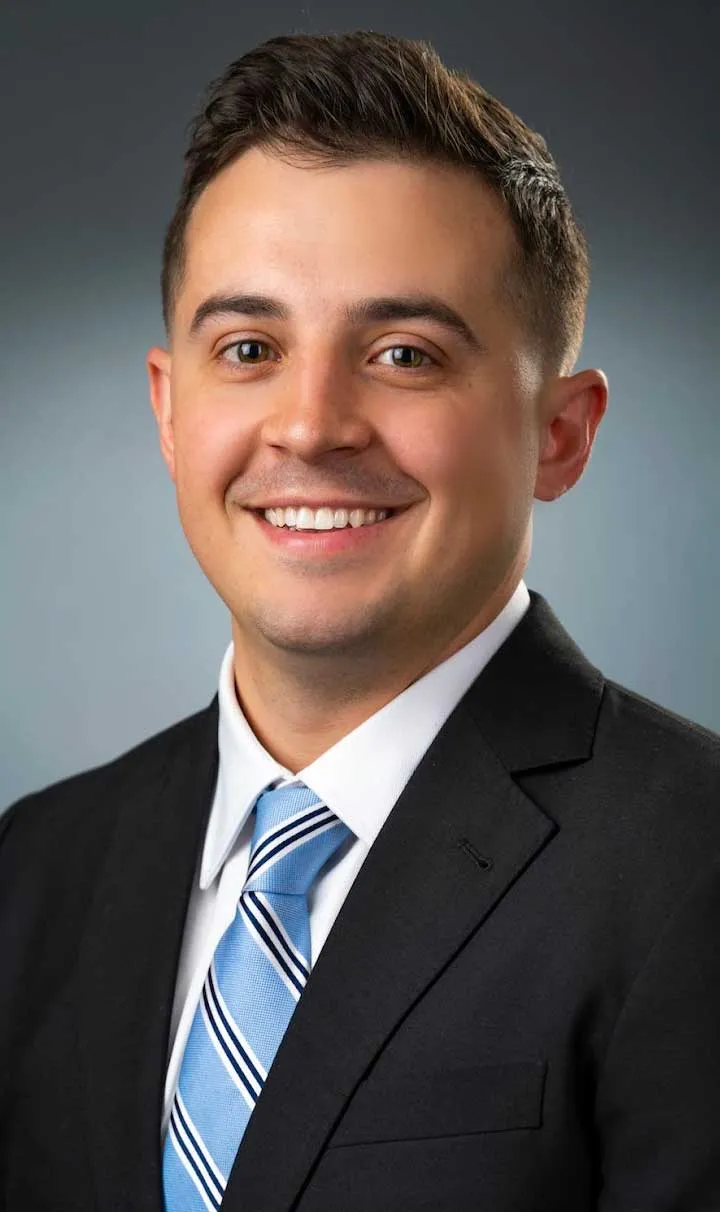
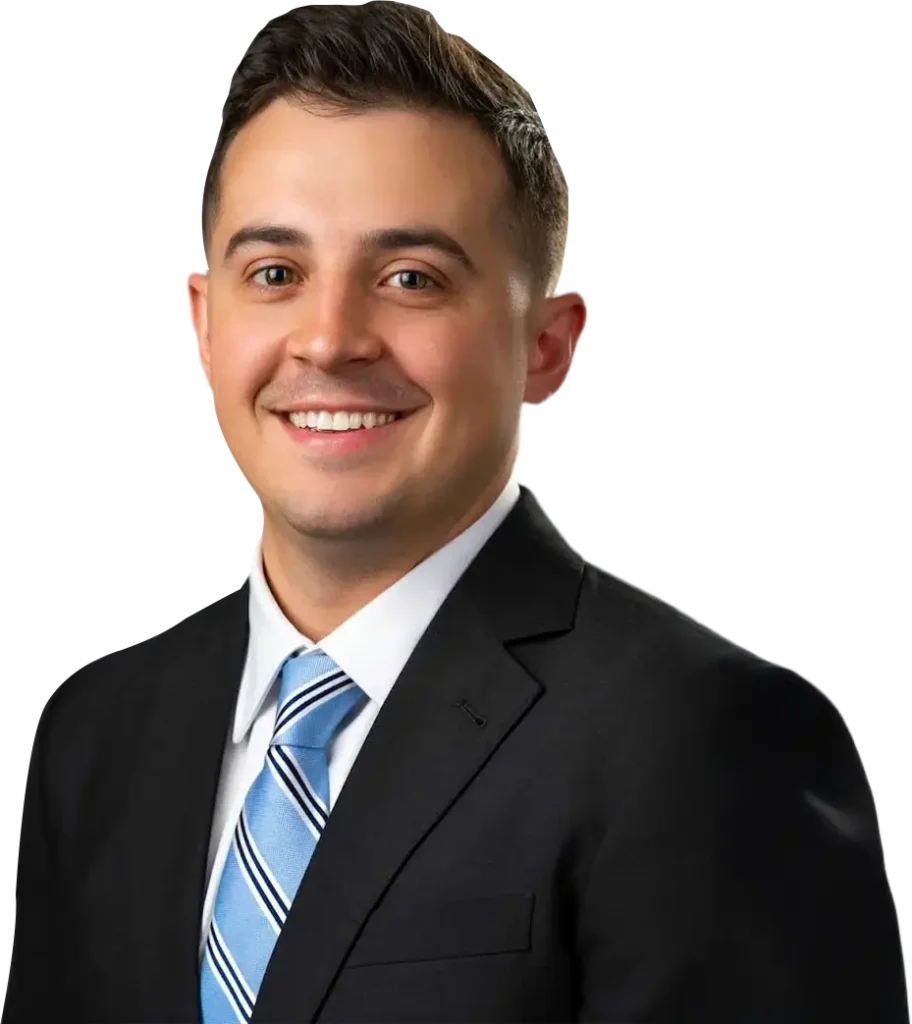
Families who call our office meet with Daniel J. Larson or another attorney, in person or by video, at whatever hour suits them. An interpreter can join that meeting when relatives are more comfortable in Portuguese, Spanish, or another language. Listening comes first, since the life story of whoever died guides every later decision. Practical questions follow, covering who depended on the deceased and which records already exist. Our approach mirrors the method used for fatal injury cases handled from our main office, adapted to a working fishing port. Before leaving, relatives receive a written summary of next steps.
Workplace deaths follow a separate path that relatives should understand immediately. Whenever a worker dies ashore, dependents usually qualify for weekly payments through the employer’s insurance, even if nobody was careless. Crew lost from a fishing vessel fall under different maritime rules with separate proofs and shorter clocks. On either path, a second claim may exist against an outside business that built the equipment or supervised part of that work site. Identifying which path applies determines where the first papers get filed.
Certain belongings need protecting before anyone tidies up. Mobile phones hold final messages, location history, and photographs that may show the hours before the death. Wrecked vehicles, damaged tools, and torn clothing should stay untouched and unrepaired. Share statements from a boat, alongside wage slips and tax filings, establish what income the household has lost. Coworkers, neighbors, or bystanders who saw anything should have their names recorded within days.
What our clients say

A wrongful death claim may be evaluated with Larson Law.
- We handle wrongful death injury claims for injured clients across New Bedford and the surrounding area.
- We deal with the insurers directly so you are not pressured into an early, low settlement.
- We move quickly to preserve the evidence that proves both fault and the full extent of the harm.
- We know the Massachusetts rules that shape these claims and the ways insurers try to limit them.
- We build each claim on medical proof and documentation, not on a rushed call with an adjuster.
- No fee unless we win your case
- No upfront costs
- Direct attorney access throughout
- Free, no-pressure case review


Death lawsuits need autopsy findings linking carelessness with final outcomes.
A judge names one person to file.
Court permission must exist before any fatal injury lawsuit can begin. Someone petitions the probate court, submits the death certificate, and lists every heir with an address. Judges often require a bond or a waiver signed by the other relatives. Adjusters understand that delay and sometimes use the gap to press for quick agreements. Filing the petition promptly removes that leverage and keeps the household in control of timing.
Agreement on a representative does not always come easily. Second marriages, estranged children, and partners who never married the deceased produce competing requests. Judges may appoint a neutral professional when the household cannot settle on one name. Whoever serves owes a duty to every beneficiary and must report to the court. That person decides, with legal advice, whether an offer is accepted or the case proceeds to trial. Clear communication among relatives at this stage prevents bitter disputes once money arrives.
Proving the cause of death is its own task. Death certificates list an immediate cause and underlying conditions, and insurers study both lines closely. Where someone lingered for weeks, the defense may blame pneumonia, infection, or an earlier illness instead of the original injury. Autopsy findings, hospital charts, and a treating physician’s opinion tie the original carelessness to the final outcome. Requesting an autopsy quickly matters, since burial or cremation ends that option. Toxicology results should be gathered too, because defendants frequently raise them against the deceased.
A set formula divides the money.
Two kinds of loss travel together inside a single lawsuit. Relatives claim for everything the death removed from their lives, including income, care, and daily company. The estate separately claims for whatever the deceased consciously endured between injury and death, plus the medical and burial charges. Each portion is proven with different witnesses and paid out under different rules. Money recovered by the estate may pass under a will, whereas the relatives’ portion follows a fixed order of kinship.
Only certain relatives share in the household’s portion, and a set formula decides the split. Unmarried partners, stepchildren never adopted, and close friends are generally left out. Relatives living in another country keep their rights and can take part by sworn statement or video. The order works this way:
- Spouse only: the full recovery goes to the surviving spouse.
- Spouse and one child: the two share it equally.
- Spouse and two or more children: one third goes to the spouse, and the children divide two thirds.
- No surviving spouse: the children receive it, or the parents and next of kin if no children survive.
Children’s shares receive special protection. Whenever a minor is involved, no settlement binds anyone until a judge approves it. Funds are commonly placed in a restricted account or paid out in installments once the child is an adult. Guardians cannot spend that money on ordinary household costs without permission. Planning the structure ahead of the hearing shortens the wait for everyone else’s payment.
City and transit claims need earlier notice.
Blame frequently lands on whoever can no longer respond. Defendants suggest the deceased was speeding, distracted, ignoring safety rules, or standing where nobody should stand. Compensation shrinks by any portion of blame placed on the deceased and disappears if that portion passes one half. Independent proof therefore matters more here than it does when an injured person can testify. Vehicle data, security video, phone records, and neutral witnesses fill the silence left by the death. Collecting those sources fast answers an unfair accusation more effectively than argument.
Timing rules are strict and vary with the defendant. Most cases must reach court before three years have passed since the death, or since relatives reasonably learned why, which tracks the general filing period for injury cases. Public defendants, including a municipality, a transit operator, or a public hospital, must be notified in writing far sooner. Criminal prosecution of whoever was responsible does not pause any of these clocks. Calendar dates should be written down the moment a lawyer takes the case.
Criminal charges proceed separately from the household’s civil claim. Prosecutors represent the public, not the household, and a conviction does not produce compensation by itself. Still, police reconstruction files, laboratory results, and sworn testimony from the criminal case become valuable evidence. Coordinating both proceedings keeps one from damaging the other.
Locating enough insurance frequently proves harder than proving fault. A driver’s policy may be far too small for a death, so every other source has to be checked. Employers, vehicle owners, bars that overserved a customer, and property owners may each carry separate coverage. The deceased’s own auto policy, and policies held by relatives in the same home, can add protection where a careless driver carried too little coverage.
What brings New Bedford families to us after a wrongful death.
New Bedford’s port economy, its documented dangerous road network, and its industrial and fishing sectors shape the wrongful death cases we handle for families here.
- Fatal car accidents on New Bedford’s documented dangerous roads: MassDOT recorded 17 fatal crashes in New Bedford between 2019 and 2021. The Ashley Boulevard and Coggeshall Street intersection recorded 91 crashes from 2017 to 2019, making it New Bedford’s most dangerous intersection per MassDOT data. I-195 recorded multiple fatal and serious crashes in 2022 alone, documented in WBSM.com citing MassDOT. When a driver’s negligence causes a fatal crash at one of New Bedford’s documented dangerous locations, the public crash record at that specific intersection may be relevant evidence in your family’s claim.
- Pedestrian fatalities on New Bedford’s corridors: MassDOT recorded 247 pedestrian-involved crashes in New Bedford between 2019 and 2021. New Bedford’s historic downtown grid – with five-point, six-point, and seven-point intersections – creates inherently complex conflict between vehicle traffic and pedestrians. When a driver strikes and kills a pedestrian in New Bedford, a wrongful death claim may be available. The documented crash history of specific corridors may be relevant in establishing what the driver should have anticipated.
- Fatal accidents involving SRTA buses or government vehicles: SRTA buses operate throughout New Bedford’s corridors. City of New Bedford vehicles and state maintenance crews operate on I-195 and surface roads. If a government vehicle was involved in the fatal accident, the two-year presentment requirement under the Massachusetts Tort Claims Act Sec. 4 is a separate and shorter deadline from the three-year wrongful death statute. An attorney needs to assess whether government immunity provisions apply to the specific circumstances as early as possible.
- Fatal commercial truck accidents on I-195 and Route 6: I-195 and Route 6 carry significant commercial freight through New Bedford, including trucks serving the Port of New Bedford – one of the nation’s leading fishing ports. When a commercial truck causes a fatal crash, the claim may extend beyond the driver to the carrier, cargo loaders, and maintenance providers under federal FMCSA regulations. State Police crash reports and electronic logging device data need to be secured quickly.
- Workplace and maritime accident deaths: New Bedford’s fishing and maritime industry generates workplace fatality risk both on vessels and at port facilities. Fatal workplace accidents can support a wrongful death claim against third parties whose negligence contributed to the death. Workers’ compensation under MGL Ch. 152 is generally the exclusive remedy against the direct employer, but third-party wrongful death claims remain available alongside workers’ comp. Maritime deaths may also involve federal admiralty law depending on the circumstances.
- Medical malpractice deaths: St. Luke’s Hospital in New Bedford, part of the Southcoast Health system, is the city’s primary hospital and the facility where many New Bedford residents receive emergency and inpatient care. When a healthcare provider’s failure to meet the accepted standard of care results in a patient’s death, a wrongful death claim grounded in medical malpractice may be possible under MGL Ch. 229 Sec. 2. The MGL Ch. 231 Sec. 60H cap on non-economic damages in malpractice cases explicitly excludes wrongful death claims brought under MGL Ch. 229 Sec. 2.
What families should know before speaking with an insurer
In the days after a death, families are often contacted by an insurer for the responsible party, sometimes with an early offer or a request for a statement. It is rarely in the family’s interest to resolve anything at that stage. The full scope of a wrongful death claim, including the survival claim for conscious suffering under Ch. 229 Sec. 6 and the beneficiaries’ losses under Ch. 229 Sec. 1, is usually not yet clear, and an early settlement can foreclose recovery the family is entitled to. There are also procedural requirements, including opening an estate so a personal representative can bring the claim under Ch. 229 Sec. 2 and, where a public entity is involved, meeting the presentment deadline under Ch. 258 Sec. 4. Larson Law handles these steps and the communication with insurers, so a New Bedford family is not pressured into decisions before the claim is understood, and so the deadlines that protect the claim are not missed during a period when no one should have to think about paperwork.
Because a fatal crash can involve a driver or company based outside the city, we handle these claims across the South Coast, including as a Brockton wrongful death lawyer nearby. Wherever the death occurred, the same Massachusetts law governs who may recover and what the loss is worth.
Parents losing young adult children claim lost companionship, not wages.
Waterfront income rarely arrives in equal weekly amounts. Fishermen are paid by share of the catch, and tradespeople often work seasonally or for cash. Proving what such a worker would have earned takes several years of tax returns, bank deposits, and trip settlements. An economist then projects those earnings across a normal working life, adjusting for raises and benefits. Each category is set out where we explain what relatives may recover when a death was preventable. Unreported cash income is harder to prove but can sometimes be shown through spending patterns.
Widows and widowers lose far more than a second income. Daily companionship, shared decisions, affection, and help raising children all end at once. Courts recognize that loss and allow a spouse to describe it personally. Photographs, letters, and friends’ accounts make the marriage real to people who never met the couple. Our page about losing a partner’s companionship explains how such evidence is weighed. Length of the marriage matters, though a short marriage can still support a substantial claim.
Parents who lose a child or young adult usually cannot point to missing wages. Their claim rests instead on the relationship itself and on the help that son or daughter would have given later. Many young adults here already contribute to rent, drive relatives to appointments, or translate for older kin. That young person’s character and prospects are described by teachers, coaches, and employers. Siblings may testify about the bond within the household. Counseling bills for surviving brothers and sisters can be documented as well.
An elderly parent’s death is sometimes dismissed as a small case. Adult children nonetheless lose advice, family history, childcare for grandchildren, and a steady presence. Retirees frequently provide unpaid services worth real money, including cooking, driving, and home repair. Life expectancy tables set the period over which those services would have continued. Pension or benefit income that stopped with the death may count where others relied on it. Neglect in a care facility raises added questions about staffing and supervision.
Final expenses come due immediately. Funeral homes, cemeteries, and clergy expect payment within weeks, and flying remains overseas can double the bill. Ambulance and hospital charges covering the last days follow soon after. Travel for relatives who came from abroad is worth recording too. Final treatment was usually paid by a health plan, which will often want its money back, a subject explored where we discuss repayment demands on a settlement. Lawyers can usually negotiate those demands downward.
Awareness sometimes lasts minutes, hours, or days before the end. Fear, pain, and the knowledge of what was happening are compensated through the estate’s own claim. Witnesses, paramedics, and nurses can describe whether the person spoke, cried out, or responded. Proof follows the approach laid out where we cover compensation for physical and mental suffering. Especially reckless behavior, such as drunk driving or ignoring a known deadly hazard, may justify an added award meant to punish the wrongdoer. Awards like that are uncommon and turn on specific proof.
Totals are assembled piece by piece. Economic losses are calculated first, then the human losses are described through testimony. Policy limits and the defendant’s assets set a practical ceiling on collection. Ordinary cases follow the arithmetic shown in how claim values are worked out. Payment may arrive as one sum or as scheduled installments over years. Careful distribution protects the household from problems that surface years afterward.
Lost Financial Support and Services
Funeral and Burial Costs
Loss of Companionship and Guidance
Pre-Death Conscious Pain and Suffering
Larson Law attorneys prepare probate petitions throughout funeral week.
Preserve the records and note facts
Collect the death certificate and every report. Note the scene, any nearby cameras, and the vehicle details, and do not sign any releases until a lawyer has reviewed them. Act. Move while it is fresh.
Get a free review of your claim now
A no-cost review lets an attorney examine the circumstances, explain wrongful death law, cover the estate appointment steps, and identify the filing and notice deadlines. The first call is at no cost.
We handle the whole claim from here
Larson Law takes on the estate filing, the evidence requests, the insurer and institution contact, and the deadline tracking in your wrongful death claim. We take it from here. We take it for you now.
- 5.0 stars out of 100+ reviews
One relative's phone call starts our estate authority review.
Any relative may contact us by telephone, by text, or through this page’s form. Share who died, the date, and whatever officials have said so far. An attorney then explains who may act for the household and how soon papers are due. Local cases are prepared together with the injury attorneys who direct our firm’s casework.
By submitting this form, you acknowledge that doing so does not create an attorney-client relationship. Please do not include confidential information. Contacting us does not obligate you to retain our services.
Our Clients.


Our Practice Areas.
Larson Law helps people injured by unsafe property conditions across Massachusetts. If a careless owner’s spill, ice, or broken step left you hurt, we are ready to listen and explain your options at no cost.
Surviving spouses regularly ask how settlement money gets divided.
Who in our family can actually file the wrongful death lawsuit?
The lawsuit is brought by the estate’s executor or administrator, but the recovery is for the benefit of the close family, typically the spouse, children, and sometimes parents. If no one has been appointed yet, part of our early work is helping the family open the estate so the claim can proceed.
How long does our family have to file?
Generally three years from the date of death, or from when the family reasonably should have known the death was caused by wrongdoing. A claim involving a government vehicle or entity carries a much shorter notice deadline. Acting early protects the deadline and preserves the evidence.
My loved one died in a crash at one of New Bedford's most dangerous intersections. Does the documented history there matter?
It can help. A documented crash history at a dangerous New Bedford intersection can corroborate how the collision happened and reinforce a known hazard. We pair that public record with the police reconstruction and any camera footage to build the claim on evidence.
How is the wrongful death recovery divided among family members?
The recovery is distributed among the eligible family members according to their loss, not divided equally by default. A spouse and minor children usually have the strongest claims. Where family circumstances are complex, the court oversees a fair allocation, and part of our role is protecting each family member’s share.
What is the difference between a wrongful death claim and a survival action?
They are two separate claims often brought together. A wrongful death claim compensates the family for their loss, while a survival action recovers for the pain and losses the deceased suffered between the injury and death. Pursuing both captures the full harm, one for the family and one for the estate.
Can our family still file if my loved one was partly at fault for the accident?
Usually yes. Under Massachusetts comparative negligence, a family can still recover as long as the deceased was not more than half at fault, with the award reduced by their share. Insurers often overstate the deceased’s fault, and answering that with evidence is part of the case.
An SRTA bus was involved in the death. What does that mean for our claim?
It changes the procedure. A death involving a public bus or government vehicle can bring a government defendant into the case, and those claims carry strict, early notice deadlines and damage limits a private claim does not. Recognizing that immediately and filing the required notice in time is essential.
My family member died in a maritime or fishing industry accident in New Bedford. Can we file a wrongful death claim?
A wrongful death claim holds the responsible party accountable and secures compensation for the family’s loss, including lost income and support, the companionship the family is denied, and, in the right case, punitive damages. We handle it with the care the loss deserves.
My loved one died after treatment at St. Luke's Hospital. Do we have a medical malpractice wrongful death claim?
A wrongful death claim holds the responsible party accountable and secures compensation for the family’s loss, including lost income and support, the companionship the family is denied, and, in the right case, punitive damages. We handle it with the care the loss deserves.
Where does the probate process happen for a New Bedford wrongful death case?
Most New Bedford wrongful death cases are handled in the Bristol County courts, typically in Superior Court given the stakes. Many resolve through negotiation with the insurer without a trial. Where a case belongs, and how it should proceed, depends on the facts and the parties.
How long does a New Bedford wrongful death case typically take?
Generally three years from the date of death, or from when the family reasonably should have known the death was caused by wrongdoing. A claim involving a government vehicle or entity carries a much shorter notice deadline. Acting early protects the deadline and preserves the evidence.
Does Larson Law handle wrongful death cases across Bristol County beyond New Bedford?
Yes. We represent families across the South Coast and beyond, not only in New Bedford, and the same approach applies wherever the death occurred. Distance from New Bedford does not change the strength of the claim or the care we bring to it.