
Framingham Uber Accident Lawyer
A safe ride should not end at the ER.
- No fee unless we win
- Same-day response
- Free case review
As Seen On:











How a Framingham Uber Accident Lawyer Helps
When you get into an Uber or Lyft, you hand your safety to a driver you have never met and a company that keeps its distance from responsibility. So when a rideshare crash happens on Route 9, the Massachusetts Turnpike, or a downtown Framingham street, you can be hurt as a passenger, another driver, a cyclist, or a pedestrian, and immediately find several insurers pointing at one another. That finger-pointing is designed to wear you down, and getting ahead of it is exactly where our work begins.
As a Framingham Uber accident lawyer, we sort out the coverage and the fault so you do not have to. We move quickly to secure the trip records, the app status at the moment of impact, the crash report, and any camera footage, identify every driver and insurer, and document your injuries in full. The same standards guide our work as a Boston rideshare accident lawyer and across our wider personal injury practice, so a MetroWest claim is handled with real depth.
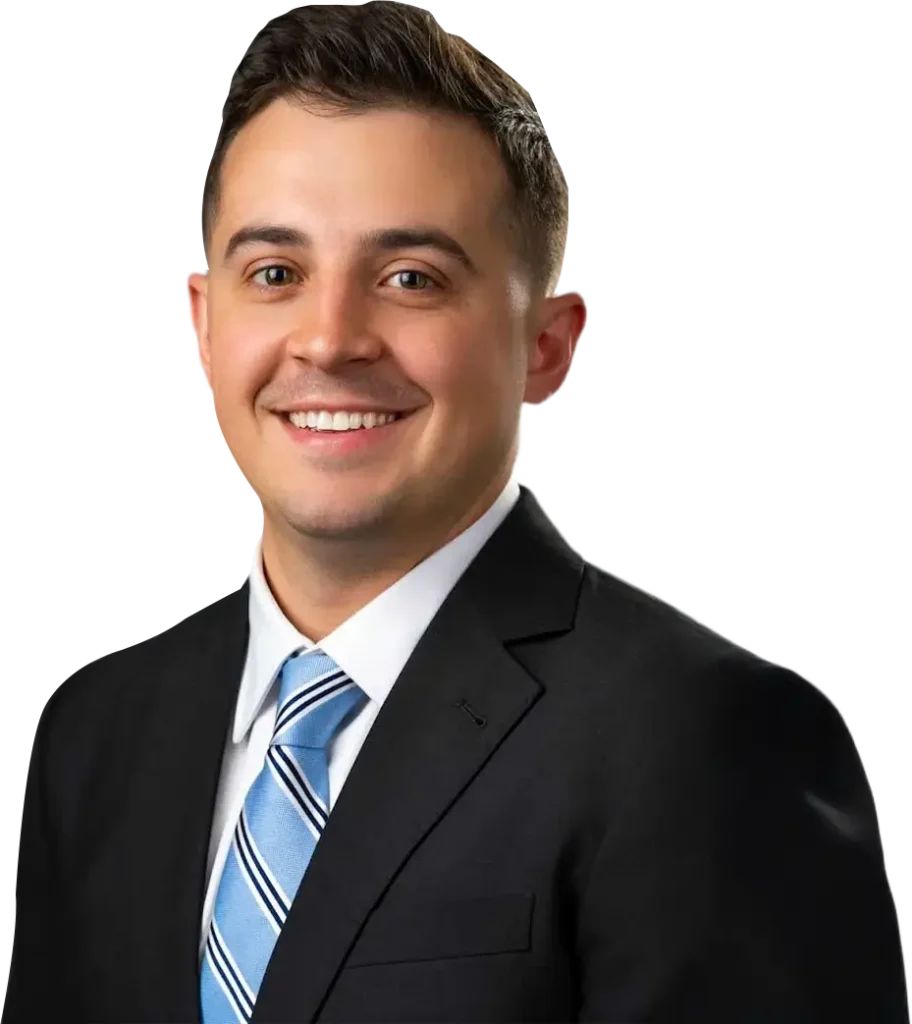
Every case here is directed by Daniel J. Larson, who reviews the strategy and the numbers himself. When a rideshare company and its insurer try to minimize what happened, you have an attorney who knows how to reach the right coverage, not a file passed down a line.
You are also under pressure the moment the crash ends: bills, missed work, and an insurer whose first call can feel like the fastest way to make it stop. It is not. The first offer on a serious rideshare injury is almost always low, and once you accept it the claim is closed for good, whatever your recovery later demands. A conversation with us costs nothing and keeps every option open.
Rideshare cases also reward speed in a way ordinary crashes do not. The most important proof lives in an app and on a company’s servers, follows a retention schedule, and is guarded by lawyers. Every day without a preservation demand is a day the trip data and app status can be lost, and that record is often what decides which insurer pays.
What you do in the first days after a rideshare crash often shapes the whole claim. The right medical care builds the record that proves your injuries, the right preservation demands lock down the trip data, and staying off the phone with the rideshare insurer keeps an early word from being used against you. We handle each of those steps so nothing important slips away while you heal.
What our clients say

Why Injured Framingham Riders Choose Larson Law
- We move fast to secure the trip records, app status, camera footage, and crash report before they vanish.
- We untangle which of several rideshare policies applies, so no available coverage is left on the table.
- We value your full claim, including future surgery, lost income, and the long-term care you may still need.
- We deal with the rideshare insurers directly, so you never face a recorded statement or lowball offer alone.
- We keep you informed at every step, with a lawyer who personally knows the details of your file.
- No fee unless we win.
- Free case review.
- Same-day response.
- Local to MetroWest.


How Massachusetts Law Handles a Rideshare Claim
Rideshare claims in Massachusetts turn on rules that ordinary car crashes never touch, and using them correctly is what reaches the coverage you are owed.
Which insurance applies
Massachusetts rideshare law ties the available insurance to the driver’s app status at the moment of the crash. When the app is off, only the driver’s personal policy applies; when a driver is waiting for a ride, a limited company policy applies; and once a trip is accepted or underway, a large commercial policy covers the crash. This matters because the single most valuable fact in your case is often what the app was doing at impact, and we pin it down with the trip data before anyone can blur it.
Who pays your first bills
Under M.G.L. c. 90, § 34M, Personal Injury Protection covers early medical bills for people hurt in a motor vehicle, including rideshare passengers. This matters because it can pay for immediate treatment while we pursue the larger liability coverage for the full harm.
When coverage falls short
If an at-fault driver is uninsured or underinsured, M.G.L. c. 90, § 34A and your own or the rideshare policy’s uninsured-motorist coverage may fill the gap. This matters because rideshare crashes often involve multiple vehicles and layered policies, and knowing which one responds decides what you recover.
Shared fault and the deadline
Massachusetts uses comparative negligence under M.G.L. c. 231, § 85, so you can recover unless you are more than half at fault, with your award reduced by your share. The limit to file under M.G.L. c. 260, § 2A is three years. Both matter because the insurers will shift blame and time erodes the trip data and footage, so acting early protects the claim.
Sorting out the coverage is frequently the hardest and most valuable part of a rideshare claim. Because the responsible policy depends on the driver’s exact app status, a rideshare company has every incentive to characterize the moment of the crash in the way that costs it least. We counter that with the objective record, the trip and app data, so coverage is decided by facts rather than by the insurer’s preferred version.
Layered policies also mean layered defenses. A rideshare insurer, a personal auto insurer, and another driver’s insurer may each argue the others should pay, and a claim can stall for months in that standoff. Part of our job is to cut through it, name the responsible coverage early, and keep the claim moving so your treatment and recovery are not held hostage to an insurance dispute.
Massachusetts law also lets you recover for the full range of harm, not just the emergency-room bill. Lost earning capacity, future care, and the disruption a serious crash forces into your life all count, and documenting them properly is what separates a real valuation from the insurer’s opening number.
The rideshare context also changes how an insurer treats a passenger’s own conduct. Because you had no control over the driving, the usual attempts to shift blame onto the injured person carry little weight, and the real dispute is between the insurers over which policy pays. We keep the focus there, so your recovery is not reduced by a fight you had no part in.
Because rideshare companies operate at scale, their insurers handle these claims as a routine cost of business and rely on volume and delay to wear claimants down. Meeting that approach takes preparation and a willingness to litigate, and we build every rideshare claim from the start as if it may have to be proven in court.
Where Rideshare Crashes Happen Across Framingham
Framingham’s busy roads and steady rideshare demand put Uber and Lyft crashes in specific, recognizable places, and knowing them guides how we investigate.
Route 9 and the retail corridor
Route 9, or Worcester Road, sees constant pickups and drop-offs at the shopping plazas and restaurants, where rideshare drivers stop suddenly, cut across lanes, and stare at the app instead of the road. Crashes here tend to involve several vehicles and usually leave business camera footage, which we move to preserve before it cycles out.
Downtown and the commuter rail
Around downtown Framingham and the commuter-rail station, rideshare traffic clusters at pickup points crowded with pedestrians, buses, and turning cars. A crash here is documented by the Framingham Police Department, and the app and trip records often decide which insurer is responsible.
The Turnpike and campus area
On the Massachusetts Turnpike interchange and near Framingham State University, higher speeds and heavy student rideshare use raise the stakes of any collision. Serious injuries are treated at MetroWest Medical Center’s Framingham Union Hospital, and claims are heard in Middlesex Superior Court or the Framingham District Court at 600 Concord Street.
Why the location matters
Where a rideshare crash happens shapes which cameras exist, which agency responds, and how the trip is reconstructed. We fix those details early so the right records are demanded before they disappear.
Framingham’s role as a MetroWest hub means constant rideshare movement at all hours, from late-night trips home to early commutes to the station, and that steady volume raises the odds of a crash at the town’s busiest points. Understanding when and where rideshare traffic peaks helps us explain how a particular collision happened and why the driver, not the passenger, bears responsibility.
Where a crash falls also decides which police agency responds and which court hears a claim, and those details differ block to block across Framingham’s mix of state highways and city streets. We confirm them early so the report comes from the right department and any claim is filed in the correct venue from the start.
Late-night and weekend rideshare demand around Framingham’s restaurants and the campus also brings tired drivers and crowded pickup zones, a combination that produces low-speed strikes and door-opening crashes that look minor but are not. Documenting the specific conditions where yours happened is what keeps an insurer from dismissing it as nothing.
The Harm a Framingham Rideshare Crash Causes
A rideshare passenger rides with no control over the driving and often without a seatbelt in the back seat, so a crash can cause serious, lasting harm. A full claim has to account for all of it.
Sudden impacts cause whiplash and spine injuries, and a passenger thrown forward can suffer a brain injury that lingers or damage to the spine with permanent effects. Broken wrists, ribs, and facial injuries are common, and the shock of a crash in someone else’s car leaves many riders shaken long after.
These injuries reach past the first hospital visit. Lost income, future treatment, and the pain and the disruption a serious crash forces into daily life all belong in the claim. We build the demand around your whole recovery, not the quick closure the rideshare insurer prefers.
Recovery also rarely follows the insurer’s timeline. A rider may plateau, then need another procedure or months more therapy, and we keep the claim open to that reality so the final number reflects where you actually end up.
The financial toll of a rideshare crash reaches well past the first bill. A passenger who cannot return to physical work may lose weeks or months of income, and future procedures and therapy can run far longer than the insurer wants to acknowledge. We work with your treating providers to document the full arc of recovery and, where needed, bring in specialists to project what it will truly require.
For older passengers or those with prior conditions, a crash can turn a stable situation into a lasting one, and insurers seize on that history to argue the crash changed little. We work with your doctors to separate what the crash caused or worsened from what came before, so your recovery is valued for the real harm that was done.
Because rideshare injuries can look minor at the scene and turn serious within days, we push to document everything early, so a concussion or a soft-tissue injury that surfaces later is tied to the crash and not written off by an insurer as unrelated.
A crash in a stranger’s car can also leave a passenger anxious about riding again, and that disruption to how you move through daily life has value under Massachusetts law when it is documented. We make sure it is part of the claim rather than an afterthought the insurer is glad to ignore. We also account for the practical costs a crash creates, from missed shifts to the rides and help a recovering passenger suddenly needs.
Rear-End Collisions
Intersection Crashes
Whiplash and Back Injuries
Serious and Permanent Injuries
Three Steps to Start Your Framingham Uber Claim
Tell us what happened in your crash
Call or message us after the crash and tell us exactly what happened on your ride. We listen, explain the options in plain terms, and begin protecting your claim that same day so no trip data is lost.
We investigate and prove your claim
We secure the trip records, the driver's app status, the camera footage, the medical records, and witness accounts, then reconstruct that crash to show who was at fault before the insurers rewrite it.
We pursue the recovery you are owed
With the evidence in hand, we value the full losses and press the responsible insurer for a fair result, taking the case to Middlesex Superior Court if they refuse to pay what your injuries are worth.
- 5.0 stars out of 100+ reviews
Talk With a Framingham Uber Accident Lawyer Today
If an Uber or Lyft crash in Framingham left you hurt, talk with us before you give any statement to a rideshare insurer. A conversation costs nothing and it protects your options while the trip data and footage are fresh. Our work here is backed by the same team you would reach as a Boston personal injury attorney, and we handle every step so you can focus on healing.
By submitting this form, you acknowledge that doing so does not create an attorney-client relationship. Please do not include confidential information. Contacting us does not obligate you to retain our services.
Our Clients.


Our Practice Areas.
Larson Law helps injured people and families across Massachusetts after a serious accident. If you were hurt by someone else’s carelessness in Boston, we are ready to listen and explain your options at no cost.
Framingham Uber Accident Questions, Answered
I was a passenger. Who is responsible for my injuries?
It depends on who caused the crash. If your Uber or Lyft driver was at fault, the company’s commercial policy usually applies during a trip; if another driver caused it, their insurance and possibly the rideshare policy respond. As a passenger you are rarely at fault, and we pursue every policy that covers your injuries.
Does Uber's insurance really cover my crash?
Often yes. Once a trip is accepted or underway, a large commercial policy applies to the crash. The coverage that responds depends on the driver’s app status at the moment of impact, which is why we secure the trip data early to establish which policy is on the hook.
Who pays my medical bills right away?
Personal Injury Protection from the vehicle you were in generally pays your first medical bills, even as a rideshare passenger. We also pursue the at-fault driver’s liability coverage for the full harm, so your early treatment is covered while the larger claim moves forward.
What if the driver who hit us wasn't the Uber driver?
Then that driver’s insurance is the first target, and the rideshare policy’s uninsured or underinsured coverage may add protection if their limits are low. Rideshare crashes often involve several vehicles, and we identify every policy so no source of recovery is missed.
How long do I have to file a claim?
You generally have three years from the crash date to file a rideshare injury lawsuit in Massachusetts. Waiting is risky, because trip data, app records, and footage can disappear quickly. Starting early lets us preserve the evidence that shows what happened and which insurer is responsible.
Should I talk to the rideshare company's insurer?
Not before you get advice. These insurers call early hoping you say something that limits your claim, and you are not required to give a recorded statement. Let us handle those conversations so your words are never used to reduce or deny your recovery.
What is my claim actually worth?
It depends on your injuries, treatment, lost income, and lasting effects. Serious crashes involving surgery, permanent limits, or a long recovery are worth far more than a first offer suggests. We value the full arc of your recovery, not just the bills already received, before we discuss settlement.
How much does it cost to hire you?
Nothing upfront. We handle rideshare cases on a contingency fee, so you pay no attorney fee unless we recover money for you. The initial case review is free, so there is no financial risk in learning where your claim stands and what it may be worth.
Will my case go to trial?
Most rideshare claims settle, but only when the insurer offers a fair amount. We prepare every case as if it will be tried, because that readiness is what pushes large insurers to pay properly. If they will not, we are ready to take your case before a jury.
What should I do after a rideshare crash?
Get medical care, even if you feel okay, since injuries can surface later. Screenshot your trip, note the driver and app details, photograph the scene, and collect witness contacts. Report it, then speak with a lawyer before any insurer, so your claim is protected from the start.
Can I be blamed if I was just the passenger?
Almost never. A passenger has little control over the crash, so the fight is usually between the drivers and their insurers over who pays, not whether you were at fault. We keep the focus there and make sure the responsible coverage is the one that pays your claim.
What makes these claims harder than car crashes?
Rideshare crashes layer several insurers, a company that distances itself from blame, and evidence that lives in an app and disappears fast. That combination makes these claims harder to fight alone. Handling them well takes quick work to lock down the trip data and a clear grasp of which policy applies.
Results Disclaimer: Past case results, settlements, and verdicts mentioned on this website do not guarantee or predict a similar outcome in any future case. Every case is unique and depends on its own facts and legal issues.