
Framingham Motorcycle Accident Lawyer
You did everything right.
The driver still turned.
- No fee unless we win
- Same-day response
- Free case review
As Seen On:










How a Framingham Motorcycle Accident Lawyer Helps You
A motorcycle crash on a MetroWest road rarely ends with a simple fender exchange. When a car turns left across your path on Route 9 or drifts into your lane on Route 30, the rider absorbs the impact directly, and the injuries are often serious the moment the bike goes down. In the days that follow, the driver’s insurer starts building a version of events that puts the blame on you, and it does that long before you are back on your feet. Our job is to get ahead of that story with real evidence and a claim that reflects everything the crash actually cost you.
As a Framingham motorcycle accident lawyer, we handle the parts you should not have to manage from a hospital bed: securing the police report and any traffic-camera or business surveillance footage, identifying every driver and insurer involved, and documenting your injuries so nothing is written off as minor. We also connect your case to the wider work we do as a Boston motorcycle accident lawyer and across our related Boston car accident practice, so the same standards apply whether your crash happened downtown or on the edge of Middlesex County.
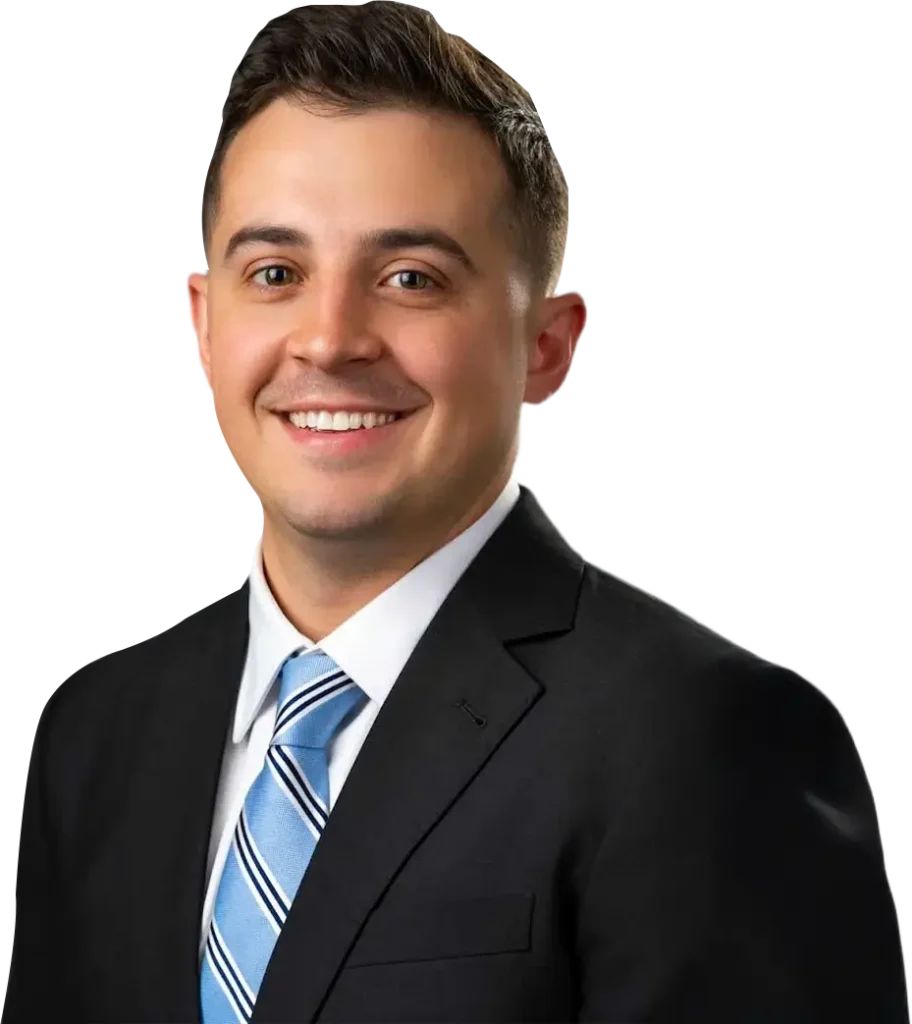
Every case here is handled under the direction of Daniel J. Larson, who reviews the strategy and the numbers personally rather than passing your file down a line. That means when questions come up about the value of your claim or how to answer the adjuster, you are getting judgment from an attorney who knows how these cases are won.
We also understand the pressure you are under right now. Bills arrive, work is missed, and the insurer’s early phone call can feel like the fastest way to make it all stop. It is not. The first offer on a serious motorcycle injury is almost always low, and once you sign it the claim is closed for good, no matter what your recovery later demands. Speaking with us first costs nothing and keeps every option open.
Riders also face a bias no other crash victim does: the assumption that anyone on a motorcycle was reckless. Adjusters lean on it, and juries can absorb it without realizing. Part of our job is to dismantle that assumption with the facts of your ride, your right of way, and the driver’s clear failure, so your case is judged on what actually happened rather than on what people assume about motorcycles.
What our clients say

Why Injured Framingham Riders Choose Larson Law
- We move fast to lock down the crash report, camera footage, and witnesses before anything is lost.
- We value your full claim, including future surgery, a lost riding season, and long-term care needs.
- We deal directly with the adjusters, so you never face a recorded statement or lowball offer alone.
- We know how insurers blame riders first, and we build the evidence that shuts that argument down.
- We keep you updated at every step, with a lawyer who actually knows the details of your file.
- No fee unless we win.
- Free case review.
- Same-day response.
- Local to MetroWest.


How Massachusetts Law Treats a Motorcycle Injury Claim
Massachusetts motorcycle claims do not work the way car claims do, and the difference matters from the first week. Personal injury recovery here runs through several statutes, and each one changes what you can claim and how long you have to act.
Helmet and equipment rules
Under M.G.L. c. 90, § 7, every rider and passenger must wear approved protective headgear, and motorcycles must meet specific brake and lighting standards. This matters because insurers routinely raise helmet use to argue a head injury was the rider’s fault; showing that you complied with the statute removes that argument and keeps the focus on the driver who caused the crash.
No PIP for motorcycles
The state’s no-fault system under M.G.L. c. 90, § 34M pays early medical bills for people in cars, but that Personal Injury Protection does not extend to motorcycles. This matters because a rider cannot fall back on their own PIP for immediate bills, so pursuing the at-fault driver’s bodily injury coverage promptly is often the only path to getting care paid for.
Fault and shared blame
Massachusetts follows modified comparative negligence under M.G.L. c. 231, § 85: you can recover as long as you are not more than half at fault, but your award drops by your share of blame. This matters because the insurer’s whole strategy is to push your percentage up, which is why documenting the driver’s error early protects the value of your claim.
Deadline to file
The statute of limitations under M.G.L. c. 260, § 2A gives you three years from the crash to bring a claim. This matters because evidence like skid marks, camera footage, and witness memory fades quickly, so the legal deadline is far longer than the practical window to build a strong case.
Disclaimer: Statute of limitations rules can vary significantly by state, jurisdiction, and the specific type of claim. The information above is general in nature. Please consult a qualified attorney for advice specific to your situation.
Beyond the statutes, the insurance coverage you can actually reach often decides what a claim is worth. When the at-fault driver carries only minimum limits, your own uninsured or underinsured motorist coverage may become the primary source of recovery, and those policies carry their own notice deadlines and conditions. We identify every applicable policy early, because the gap between one insurer and three can be the gap between a partial payment and a full recovery.
Evidence decides the rest. In a motorcycle case the physical proof, such as the resting position of the bike, the gouge marks on the pavement, and the damage patterns on both vehicles, frequently tells a truer story than the driver’s account. We work to lock that proof down before it is cleared, because once the scene is gone it cannot be recreated, and the insurer knows it.
Proving the driver’s negligence
Winning a motorcycle claim comes down to showing the other driver failed to do what a reasonable person would. In MetroWest that usually means a left turn taken across a rider’s path, a lane change made without looking, or a driver pulling out of a plaza on Route 9 without yielding. We tie each of these to the concrete duty the driver broke, because a jury and an adjuster both respond to a clear, specific failure far more than a vague claim that the crash was simply the driver’s fault.
Insurance stacking can also change the math. If you carry underinsured motorist coverage and the at-fault driver’s limits are low, your own policy may add a second layer of recovery, and in some cases multiple vehicles in a household can be combined. These rules are technical and easy to waive by accident, so we review every policy in your household before anyone signs anything.
Massachusetts also lets a rider recover for the full range of harm, not just medical bills. Lost earning capacity, permanent scarring, and the loss of the activities that made life yours all count, and documenting them properly is what separates a real valuation from the insurer’s opening number.
Where Motorcycle Crashes Happen Around Framingham
Framingham’s road network puts riders in exactly the situations where motorcycle crashes happen most. Knowing where and how they occur shapes how we investigate each claim.
Route 9 and the Golden Triangle
Route 9, or Worcester Road, cuts through Framingham’s busiest retail stretch, where constant lane changes, turning traffic into shopping plazas, and stop-and-go congestion create left-turn and blind-spot collisions that hit riders hard. Crashes here usually generate business surveillance footage and multiple witnesses, which we move quickly to preserve before it is overwritten.
The Turnpike and connector roads
Interstate 90, the Massachusetts Turnpike, meets local traffic at the Framingham interchange, feeding fast-moving vehicles onto Route 30 and Route 126. Speed differentials at these merge points are a common cause of serious motorcycle wrecks, and the mix of state and local jurisdiction affects which agency holds the crash report.
Downtown and neighborhood streets
Along Route 126 through downtown and Route 135, tight intersections, the commuter-rail crossings, and parked-car doors put riders at risk at lower speeds but with little room to react. A crash in the city is typically documented by the Framingham Police Department, while injury claims are handled through the Framingham District Court at 600 Concord Street or, for larger cases, Middlesex Superior Court.
Where the injured are treated
Seriously hurt riders are often taken to MetroWest Medical Center’s Framingham Union Hospital, and those hospital records become central evidence in the claim. We gather them in full so the injuries are documented from the first night, not reconstructed months later.
The MBTA Framingham/Worcester commuter line and the MWRTA bus network add another layer of risk, putting riders alongside buses, crossing gates, and heavy foot traffic near the downtown station, where sudden stops and blind pulls cause crashes that look minor but rarely are. Where a wreck happens shapes which police agency holds the report and whether state or municipal records apply, and we chase down the correct source so nothing central to your case goes missing.
Framingham’s mix of highway speed and dense local traffic is what makes its crashes so severe for riders. A motorcyclist merging from the Turnpike onto Route 9 shares pavement with drivers braking for the next shopping-plaza turn, and that gap in speed and attention is where riders get hurt. Understanding the specific road, signal, and traffic pattern where your crash happened lets us explain to the insurer exactly how it unfolded and why the driver, not the rider, is responsible.
Beyond the main corridors, riders in Framingham are hurt on Cochituate Road, Edgell Road, and the winding stretches near Nobscot and Saxonville, where sightlines are short and drivers misjudge a motorcycle’s speed and distance. We map the exact geometry of your crash site, because how a corner or intersection is built often explains why a driver claims they never saw you.
The Toll a Framingham Motorcycle Crash Leaves Behind
A motorcycle offers no steel cage, no airbags, and no crumple zone, so the same impact that dents a car can change a rider’s life. The injuries we see reflect that, and so does the care and compensation a full claim has to account for.
Head and brain trauma is the gravest risk, and even a helmeted rider can suffer a brain injury that lingers for months or years. High-energy falls also cause damage to the spine that can permanently limit movement and work. Beyond those, riders routinely face multiple fractures, deep road rash requiring skin grafts, and joint damage that never fully returns to normal.
These injuries carry a cost that goes past the first hospital bill. Lost income during a long recovery, future surgeries, rehabilitation, and the pain and the disruption a crash forces into daily life all belong in the claim. We build the demand around the full arc of your recovery, not just the paperwork the insurer wants to close the file fast.
The financial weight of a motorcycle crash lands long after the emergency room. A rider who cannot return to physical work may lose months of income or an entire career, while future surgeries, hardware removal, and therapy stretch on for years. We work with your treating providers to document the full medical picture and, when needed, bring in specialists to project what your recovery will truly require, so the claim reflects the real long-term cost rather than a snapshot taken far too early.
Recovery is rarely a straight line. A rider may finish one surgery only to learn a joint will need another, or that nerve damage means permanent limits on grip, balance, or stamina. Insurers like to value a claim at the first plateau, before the full picture is clear. We keep the claim open to the reality of your recovery, documenting setbacks and long-term prognoses so the final demand reflects where you actually end up, not where the insurer hoped you would be.
Protective gear can save a life without preventing serious injury, and insurers sometimes argue that a helmet or jacket means you were barely hurt. The opposite is often true: the gear absorbed what it could and the rest reached your body. We make sure your medical record, not the insurer’s assumption, defines the severity of what you survived.
Long-term disability is the part riders most often underestimate. A shoulder, wrist, or knee that never fully returns can end a trade or a passion, and that loss has real value. We work with your providers to document lasting limits so the claim reflects the life the crash actually changed.
Rear-End Collisions
Intersection Crashes
Whiplash and Back Injuries
Serious and Permanent Injuries
Three Steps to Protect Your Framingham Motorcycle Claim
Tell us what happened in your crash
Call or message us after the crash and tell us how it happened. We listen, explain your options in plain terms, and start protecting your claim that same day, so no evidence is lost while you recover.
We investigate and prove your claim
We secure the police report, camera and business surveillance footage, your medical records, and witness accounts, then reconstruct the crash to show the driver's fault before the insurer rewrites it.
We pursue the recovery you are owed
With the evidence in hand, we value your full losses, and press the at-fault insurer for a fair result, taking your case to Middlesex Superior Court if they refuse to pay what your injuries are worth.
- 5.0 stars out of 100+ reviews
Talk With a Framingham Motorcycle Accident Lawyer Today
If a motorcycle crash in Framingham left you injured, talk with us before you give the insurer a recorded statement. A conversation costs nothing, and it is the fastest way to understand what your claim is worth and what to preserve now. Our work here is backed by the same team you would reach as a Boston personal injury attorney, and we handle every step so you can focus on healing.
By submitting this form, you acknowledge that doing so does not create an attorney-client relationship. Please do not include confidential information. Contacting us does not obligate you to retain our services.
Our Clients.


Our Practice Areas.
Larson Law helps injured people and families across Massachusetts after a serious accident. If you were hurt by someone else’s carelessness in Boston, we are ready to listen and explain your options at no cost.
Framingham Motorcycle Crash Questions, Answered
Do I have a case if I wasn't wearing a helmet?
Possibly. Massachusetts requires helmets, and going without one can reduce a head-injury claim, but it does not erase the driver’s fault for causing the crash. Your other injuries may be unaffected. We assess exactly how the helmet issue applies to your specific injuries and losses.
Who pays my medical bills after a motorcycle crash?
Motorcycles are not covered by Massachusetts PIP no-fault benefits, so early bills usually fall to you or your health insurer until we recover from the at-fault driver. We move quickly to pursue that driver’s bodily injury coverage so your treatment gets paid for.
How long do I have to file a claim?
You generally have three years from the crash date to file a motorcycle injury lawsuit in Massachusetts. Waiting is risky, though, because footage, skid marks, and witness memory fade fast. Starting early lets us preserve the evidence that proves what actually happened.
The driver says I was speeding. Can I still recover?
Often yes. Massachusetts uses comparative negligence, so you can recover as long as you were not more than half at fault, though your award drops by your share. We gather the evidence to keep the blame where it belongs and protect your recovery.
What is my claim actually worth?
It depends on your injuries, treatment, lost income, and long-term effects. Crashes involving surgery, permanent limits, or a long recovery are worth far more than a first offer suggests. We value the full arc of your recovery, not just the bills already in hand.
Should I talk to the insurance adjuster?
Not before you get advice. Adjusters often call early for a recorded statement, hoping you say something that limits your claim. You are not required to give one. Let us handle those conversations so your words are never used to cut your recovery.
What if the driver who hit me left the scene?
You may still have options. Your own uninsured motorist coverage can apply to a hit-and-run, and we work with police and any footage to identify the driver. We move fast to preserve leads before they vanish and to open every available source of recovery.
How much does it cost to hire you?
Nothing upfront. We handle motorcycle cases on a contingency fee, which means you pay no attorney fee unless we recover money for you. The initial case review is free, so there is no financial risk in finding out where your claim really stands.
Do most of these cases go to trial?
Most resolve through settlement, but only when the insurer offers a fair number. We prepare every case as if it will be tried, because that readiness is what pushes insurers to pay properly. If they will not, we are ready to take it before a jury.
What should I do right after a crash?
Get medical care, even if you feel okay, since some injuries surface later. Photograph the scene and your bike, collect witness contacts, and report the crash to police. Then speak with a lawyer before the insurer, so your claim is protected from the start.
Can I recover if my passenger was hurt too?
Yes. An injured passenger has their own claim against the at-fault driver, and sometimes against other responsible parties. We can advise on how each claim proceeds and make sure one person’s recovery is never built at the expense of another’s.
What makes these claims different from car claims?
Riders face worse injuries, no PIP coverage, and a built-in bias that blames them for the crash. That combination means the insurer fights harder. Handling these claims well takes evidence that counters the bias and documents the true severity of a rider’s injuries.
Results Disclaimer: Past case results, settlements, and verdicts mentioned on this website do not guarantee or predict a similar outcome in any future case. Every case is unique and depends on its own facts and legal issues.