
MASSACHUSETTS DRUGGED DRIVING ACCIDENT LAWYER
Prescription medicine impairs drivers just like illegal drugs.
Sleep aids, painkillers, and anxiety medications slow reactions even when taken as directed. Blood tests, pharmacy records, and officer observations show what the driver had taken.
- No fee unless we win
- Same-day response
- Free case review
As Seen On:











Proving drug impairment takes extra work compared with alcohol, although solid proof usually exists.
No roadside device measures drug impairment the way a breath test measures alcohol. Cannabis, opioids, sedatives, stimulants, and combinations of them affect people differently, and traces can linger long after effects fade. Prosecutors often struggle with these files because science offers no single number that settles impairment. Civil claims ask a lighter question, namely whether impairment was more probable than its absence. Evidence that would not secure a conviction is often ample for compensation. Witness testimony, recordings, and medical charts together tend to satisfy that lighter burden comfortably.
Signs of impairment are observed by ordinary people. Witnesses frequently describe a car weaving, drifting between lanes, or sitting motionless while a light stayed green. Other motorists sometimes telephone emergency dispatch minutes before any collision, and those recordings are preserved only briefly. Once vehicles stop, onlookers may see somebody sleepy, muddled, slow to answer, or oddly restless. Paramedics and nurses write those same observations into charts while treating everyone involved. Written statements are gathered from every such observer before recollections begin fading.
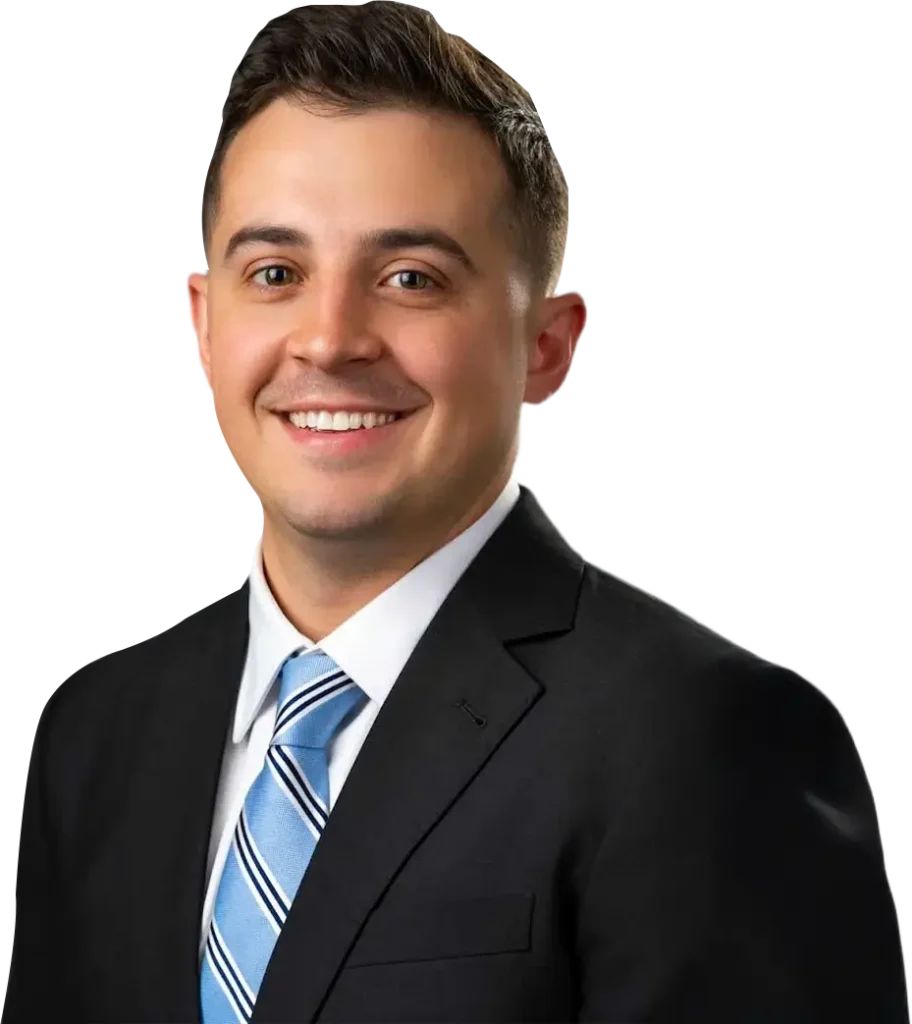
Reviewing each impaired-driving file is the opening task for Daniel J. Larson, whereupon another lawyer assembles police paperwork, treatment charts, and specialist opinions. Requests go immediately to the investigating department for reports, body camera recordings, and dispatch audio. Hospital records of the driver’s blood work may be obtained by court order. Specially trained officers sometimes perform a structured evaluation, and their notes are requested. Pharmacy and prescribing records are sought where medication is suspected. Nearby businesses are also asked to hold any video showing how the vehicle was moving beforehand.
Prescription drugs call for particular attention on this subject. Many carry warnings against operating vehicles, particularly when first prescribed or when combined with alcohol. Patients are responsible for heeding those warnings. Taking a medication lawfully never excuses driving while its effects are still being felt. Doctors’ instructions and package labels become exhibits. Pharmacists’ printed counseling sheets, handed over with each refill, frequently repeat the identical caution. Jurors readily grasp a label that plainly says not to drive.
Anyone hurt should concentrate on medical treatment while the evidence gathering continues separately. Crashes caused by impaired drivers tend to be violent, with high speeds and no evasive action. Hospital admission typically gives way to many weeks, sometimes months, spent regaining strength. Accurate accounts explaining how each injury happened should reach every doctor, therapist, and nurse. Medical bills then pass through each applicable insurance policy in an established sequence. Unexplained gaps between appointments invite later argument about how serious things really were. Follow-up visits remain worth attending even after improvement appears steady.
Communication with the driver’s insurer should be limited. Adjusters may hint that impairment cannot be proven or that blame partly belongs with whoever was struck. Neither suggestion merits acceptance until somebody independent has reviewed the underlying file. Written requests can be forwarded to counsel. Recorded interviews should be declined. Signed medical authorizations offered by that company should likewise wait for legal review. Polite refusal harms nobody, whereas an unguarded answer can be quoted back months afterward.
What our clients say

Blood test results get requested before clients even ask.
- We use the criminal investigation and toxicology to establish the driver was impaired and at fault.
- We answer the insurer when it tries to shift blame onto a sober victim to reduce what it pays out.
- We build the full picture of the harm, from emergency care to lasting pain and future treatment costs.
- We pursue every source of recovery, and handle a wrongful death claim when a crash takes a life.
- We deal with the insurers and the paperwork so you can focus on recovering, not on the fight.
- No fee unless we win.
- Free case review, no obligation.
- Available 24/7 for your call.
- Decades of trial experience.


Drug-impaired driving breaks criminal law and gives injured people civil claims.
Driving after marijuana, narcotics, depressants, or stimulants have dulled a person’s abilities is forbidden everywhere statewide. Impairment, in this setting, describes a lowered capacity for steering, braking, and judging distance. No particular blood concentration is required. Breach of this prohibition gives civil jurors solid grounds for finding careless driving. Nobody hurt needs a criminal verdict first, nor does compensation hinge upon one. Both proceedings may therefore move forward simultaneously, each following separate rules and timetables.
Civil and criminal cases use different standards. Prosecutors carry the heaviest burden known anywhere in court, leaving almost no room for uncertainty. Plaintiffs in civil court succeed by showing impairment and fault were likelier than the alternative. Acquittal or dismissal of charges therefore does not prevent recovery. Pleading guilty or being convicted, by contrast, hands civil jurors a piece of supporting proof. Sworn testimony given during criminal hearings can also be ordered in transcript form afterward.
Evidence of impairment takes several forms. Erratic driving observed before impact usually forms the foundation for everything else. Physical details logged by officers, including pupil size, balance, and speech, strengthen that picture. Field exercises and structured evaluations by trained officers are admissible in various ways. Admissions by the driver about what was taken are powerful. Pill bottles, packaging, or paraphernalia found inside the vehicle are photographed and inventoried too. Dashboard and body camera footage often captures those signs more vividly than written notes.
Chemical testing is helpful but imperfect. Blood drawn at a hospital for treatment may reveal substances present. Timing matters, because levels change. Samples collected hours afterward may understate whatever was circulating during the collision itself. Toxicologists interpret results and explain likely effects. Written reports from those specialists translate laboratory figures into language jurors can follow. Missing laboratory results never sink a case that witnesses, video, and officers otherwise support.
Negligence can also be shown without proving impairment at all. Crossing the center line, running a signal, or striking a stopped vehicle remains careless regardless of explanation. Impairment explains why it happened and affects how jurors view the conduct. Jurors who hear both explanations rarely accept excuses about momentary distraction. Each line of proof gets developed alongside its companion from the opening week onward. Frontal impacts get fuller coverage in our material devoted to crashes with oncoming vehicles and their causes.
Other people sometimes share responsibility, while several insurance rules shape eventual payment.
People other than the driver are sometimes liable. Employers who allowed a visibly affected worker to take out a company vehicle illustrate this. Someone who lent a car knowing the borrower was impaired is another. Bars or restaurants that kept pouring drinks for an obviously impaired patron may contribute where substances mixed. Doctors and pharmacies seldom bear responsibility, yet their conduct is examined whenever circumstances appear unusual. Identifying each such party early matters because separate insurance policies may then apply.
Coverage questions are answered during the opening days of representation. Primary responsibility for payment rests with the policy covering the impaired motorist’s vehicle. Limits tend to be low among motorists struggling with substance problems, leaving serious injuries undercovered. Underinsured motorist protection purchased by the injured household then becomes the crucial second source. Coverage disputes based on intentional or criminal conduct are uncommon but are addressed when raised. Declaration pages from every household vehicle are collected so no available policy gets overlooked.
Automobile coverage handles initial treatment bills along with a share of missed pay, whoever caused the collision, until its ceiling arrives. Pain-related payment depends on crossing a threshold, which our article on when suffering can be claimed explains thoroughly. Injuries from these crashes usually qualify. Ongoing care is afterward billed to whatever health plan the patient carries. Repayment rights held by those plans get negotiated shortly before settlement paperwork is signed. Careful tracking of who paid what prevents surprises when final accounting takes place.
Jurors weigh any carelessness by whoever was hurt against carelessness by the impaired motorist. Whatever percentage belongs to that person reduces the award, which vanishes entirely once the percentage becomes the bigger of the two. Most responsibility usually lands, in jurors’ minds, upon somebody who drove while impaired. Insurance companies nonetheless raise the argument, hoping to shave something off the eventual payment. Typical accusations concern seat belts, travelling speed, or a moment’s inattention before impact. Practical detail sits within our explanation of shared blame and its everyday effects.
Damages intended as punishment are generally unavailable in injury cases, yet may be awarded where gross or reckless carelessness kills someone. Impaired driving frequently meets that standard. Separate discussion of damages meant to punish sets out those conditions more fully. Court filing generally has to happen within a fixed period measured from the collision. Criminal proceedings do not pause that deadline. Waiting on prosecutors therefore risks losing the civil claim altogether through simple delay.
Impaired drivers travel commuter highways, rural roads, and city streets alike.
Divided, limited-access highways produce the most violent collisions of all. Drivers nodding off under opioids or sedatives drift across lanes without ever touching the brakes. Confusing interchanges occasionally lead an impaired motorist onto a ramp facing oncoming traffic. Traffic management cameras along major routes sometimes capture the drifting vehicle minutes beforehand. State troopers investigate such scenes and frequently summon an officer trained in drug recognition. Those crashes receive closer attention within our separate material concerning vehicles travelling the wrong direction on divided roads.
Different places show different patterns.
Urban streets place impaired motorists close to people walking, cycling, or waiting at corners. Slow reactions at crosswalks and signals cause strikes at moderate speed. Somebody on foot suffers serious harm even when the vehicle was moving slowly. Municipal cameras, buses, and storefront systems record many such incidents from several angles. Because recordings get erased fast, preservation letters are dispatched almost immediately. Matters like these pass through the pedestrian practice we run in the capital whenever somebody walking gets struck.
Suburban roads see crashes during ordinary daytime hours. Daytime timing also means more children, crossing guards, and delivery workers are nearby. Medication swallowed at breakfast can still be working during the school run or morning commute. Typical examples involve parking lots, stop signs, and neighborhood intersections rather than open highway. Local police may be less experienced with drug evaluation. Eyewitness descriptions consequently matter more here than along heavily patrolled highways. Household doorbell cameras, increasingly common, often hold video nobody official ever requested.
Rural areas present long response times. A driver’s condition may change before officers arrive. Ambulance crews’ notes then supply the first trained description anyone recorded. Dispatch logs fix the exact minutes between the call, arrival, and transport. Hospitals sit far away, meaning blood is drawn considerably later than anyone would wish. Toxicologists account for that delay in their analysis. Volunteer firefighters and passing farmers are often the only witnesses, so each is interviewed carefully.
Commercial drivers work under separate rules that require testing for drugs as well as alcohol. Employers must arrange testing promptly following any serious collision involving their vehicle. Test results, together with whatever management did next, are demanded during pretrial discovery. Company policies on medication use are reviewed. Failure to test is itself significant. Personnel files may reveal earlier warnings, failed screenings, or complaints that supervisors ignored. Hours-of-service logs are compared against pharmacy records where drowsiness is suspected.
Criminal court, records of earlier offenses, and fatal crashes each bring separate steps.
Prosecution takes place inside the local criminal court serving the community where impact happened. Anyone injured is permitted to attend hearings and deliver a statement describing the consequences. Whatever prosecutors assembled generally becomes obtainable after sentencing or dismissal closes the criminal matter. Restitution orders are possible but limited. Meanwhile, the civil lawsuit goes forward in whichever county the rules designate. Monitoring each hearing date allows pleas, admissions, and sentencing remarks to be captured.
Arrests commonly lead to treatment programs together with action against the motorist’s license. Program attendance records, where obtainable, show how long a problem had been known. Records of prior offenses may be admissible on certain issues. State licensing files list every suspension and reinstatement by date. Past incidents may support claims against someone who knowingly handed over a vehicle. Each record is requested formally. Certified copies are ordered because uncertified printouts are sometimes refused as exhibits.
Fatal crashes require a court to appoint somebody who will represent the estate. Relatives are walked through each stage of that appointment. Death certificates, autopsy findings, and the criminal file get gathered together beforehand. Punishment-based damages can then be requested alongside ordinary compensation for the family’s losses. Such losses are entrusted to our practice for bereaved families and handled with particular patience. Largest-city collisions are routed through our main practice for car accidents by the same lawyers.
High-speed impacts by impaired drivers cause severe, lasting injuries.
Broken legs, arms, and pelvic bones occur often because impaired motorists rarely brake beforehand. Surgical repair using plates or rods is frequently followed by months of supervised therapy. Some patients require multiple procedures when bones heal poorly or hardware loosens over time. Physically demanding jobs involving lifting, climbing, or long standing are the slowest to resume. Older adults and children generally heal more slowly, which lengthens every estimate. Typical healing timelines are explained within our overview of broken bones and surgical repair. Orthopedic records, imaging, and therapy notes document each stage for whichever insurance company is paying.
Internal injuries may be life-threatening and are easily missed during initial examination. Bleeding from the spleen, liver, or major vessels requires emergency surgery. Lung and heart contusions need hospital monitoring, sometimes lasting several nights. Restraints and airbags protect occupants yet leave bruising capable of masking deeper damage. Complications sometimes surface days afterward, when the patient has already gone home. Surgeons’ operative reports later explain precisely what was repaired and why. Additional explanation is collected under internal injuries for anyone facing that diagnosis.
Spinal trauma can leave a person paralyzed or living with pain that never fully settles. Rehabilitation is long and costly, usually beginning in a specialized inpatient unit. Home modifications may be necessary, ranging from ramps to wider doorways and adapted bathrooms. Wheelchairs, lifts, and adapted vehicles wear out and eventually need replacing. Independence shrinks, and relatives often become unpaid caregivers overnight. Those outcomes receive attention in separate material about spinal cord injuries and prolonged care. Specialist planners estimate equipment, attendant, and medical needs stretching decades ahead.
Head injuries impair memory and concentration, sometimes without any visible wound. Headaches, light sensitivity, and fatigue may linger well beyond the patient’s discharge. Personality changes affect relationships because the injured person may seem like somebody different. Through cognitive therapy, some patients gradually rebuild planning skills, attention, and household habits. Others need ongoing supervision because judgment and impulse control remain unreliable. People living with the patient usually notice first, and their descriptions explain what scans cannot. Structured testing by a neuropsychologist measures those losses and puts them into documented form.
Significant psychological effects frequently outlast whatever physical healing takes place. Many survivors avoid driving altogether and replay the collision during sleepless nights. Therapists repeatedly hear about irritability, poor sleep, and withdrawal from friends. Anger at the driver’s choice complicates recovery and often surfaces during therapy sessions. Counseling is recommended, and attendance records later help prove this harm. Money for such suffering is addressed in our article concerning emotional distress and its proof. Passengers who watched a relative suffer may carry similar symptoms themselves.
Financial losses cover every treatment bill together with wages missed throughout convalescence. Projections are prepared covering later treatment and any permanent decline in what the person can earn. Vehicle loss and other property are claimed separately, supported by photographs together with written repair estimates. Receipts and records support each item, so nothing should be thrown away. Earnings before the collision are established through payroll records and tax filings. Outside experts such as economists are retained whenever injuries are especially grave.
Resolution depends on available insurance and on how clearly impairment is documented. Policy limits are demanded where damages exceed them, supported by complete documentation. Settlement demands attach the police file, medical summaries, and a detailed accounting of losses. Underinsured claims follow against the household’s own policy once those limits are paid. Litigation is pursued when necessary, including depositions of officers and toxicologists. Many disputes end at mediation, guided by a neutral lawyer, without any trial. Every development is reported promptly, and clients alone decide whether an offer is good enough.
Medical Bills and Future Care
Lost Wages and Earning Capacity
Pain, Suffering, and Hardship
Wrongful Death of a Loved One
Police investigations produce written records injury claims need later.
Call police, then get medical care.
Call 911 so the crash and any impairment are investigated on the record, and get care right away, because the police report and treatment file are the documents this drugged driving claim is built on.
Document the scene and that driver.
Photograph the vehicles, the scene, and your own injuries, and note the driver’s behavior, because signs of impairment and the physical evidence can fade so fast and later prove who caused this crash.
Talk to a lawyer before an insurer.
Speak with a lawyer before giving any statement, because an insurer may shift blame or settle early, and having the impairment and your injuries documented first protects the full value of your claim.
- 5.0 stars out of 100+ reviews
Having the police report number ready makes everything else move faster.
Telephone or send a message once emergency treatment is behind you. Provide the report number, the date and place, and anything you noticed about the other driver’s behavior. Within days, letters requesting police reports and hospital charts are being mailed. Oversight comes from the lawyers guiding the firm’s injury practice throughout every impaired-driving matter. Holding back until prosecutors finish only lets evidence disappear.
By submitting this form, you acknowledge that doing so does not create an attorney-client relationship. Please do not include confidential information. Contacting us does not obligate you to retain our services.
Our Clients.


Our Practice Areas.
Larson Law helps injured people and families across Massachusetts after a serious accident. If you were hurt by someone else’s carelessness, we are ready to listen and explain your options.
Common questions concern prescription drugs, test results, and insurance.
What counts as drugged driving?
It means operating a vehicle while impaired by marijuana, illegal drugs, or even prescription or over-the-counter medication that affects the ability to drive safely. What matters is impairment behind the wheel, not whether the substance was legal to possess or prescribed by a doctor.
Is driving on drugs against the law?
Yes. Getting behind the wheel while affected by cannabis, opioids, sedatives, or stimulant drugs is a criminal offense here. Identical conduct also serves as powerful evidence of carelessness when anyone the motorist injured later brings a civil lawsuit seeking compensation.
Do I need the driver to be convicted to sue?
No. Your civil claim is separate from the criminal case and uses a lower standard of proof. A conviction can help, but you can recover even if the driver is never charged or is acquitted, because the two proceed on different tracks.
How is drug impairment proven?
Through the police investigation: officer observations, field sobriety and drug recognition evaluations, and chemical testing of blood or other samples. Because most drugs have no set legal limit, these cases rely on that combined evidence rather than a single number.
What if the driver was on prescription medication?
It can still be drugged driving. A driver impaired by a prescription or over-the-counter drug, even one taken as directed, can be held responsible if that impairment caused the crash. The question is impairment and its effect on safe driving.
Can I recover pain and suffering?
Pain-related compensation opens up after an injury clears a set threshold, meaning treatment bills beyond a fixed figure or serious harm like broken bones or lasting disfigurement. Injuries from an impaired driver’s crash usually qualify. Medical records, rather than anyone’s opinion, settle whether that line was crossed.
What if I was partly at fault?
Recovery stays possible provided your portion of blame does not outweigh the opposing side’s, though payment shrinks by whatever percentage is yours. Impairment generally shifts the bulk of responsibility onto whoever drove while drugged. Insurance companies raise the point anyway, so proof of your own careful driving gets collected early.
Does my own car insurance pay anything?
Yes. Treatment bills from the opening weeks and some missed earnings come out of your household’s automobile policy within a set limit, whichever motorist proves careless. Nothing for pain or suffering is included there, so that money is sought separately through a claim against whoever drove impaired.
How long do I have to file?
Generally, filing must happen inside a fixed period, and that period starts running on the collision’s date. Any criminal prosecution follows its own calendar, so holding off until prosecutors finish before acting is a mistake. Memories and recordings fade during that wait, giving another reason for acting early.
What if the impaired driver fled the scene?
You may still have options, including your own uninsured motorist coverage, and the police investigation can help identify the driver. A lawyer can pursue every available source of recovery even when the driver who caused the crash is hard to find.
What if a crash killed a family member?
When a crash with an impaired driver is fatal, the estate’s personal representative can bring a wrongful death claim for the losses the family has suffered, and the driver’s criminal conduct can bear on the case. These claims hold the responsible driver accountable.
Who handles my case at Larson Law?
Cases are handled through Larson Law under the direction of Daniel J. Larson, whose background and credentials are on his attorney profile. You get direct attorney access throughout, not a call center, and questions about your file go to the lawyer working on it.
Results Disclaimer: Past case results, settlements, and verdicts mentioned on this website do not guarantee or predict a similar outcome in any future case. Every case is unique and depends on its own facts and legal issues.