
Worcester Uber Accident Lawyer
Rideshare coverage may still protect you if another car hits your Uber.
The careless motorist’s insurer is asked to pay first. When its limits run short or the motorist drove off, protection the rideshare company buys for its riders can cover the gaps.
- No fee unless we win
- Same-day response
- Free case review
As Seen On:











A lawyer can review your trip record before you speak with the insurer.
Riders injured in a ride-hailing car often hear from the company within a couple of days, usually through an in-app message asking whether they need medical help and inviting them to describe what happened. Whoever calls afterward typically works for a claims office handling the company’s insurance, not for the driver and certainly not for you. Anything said on that call can shape the value an adjuster assigns, so it pays to know what the trip record shows before answering detailed questions about the collision or your injuries.
The company classifies its drivers as independent contractors and generally does not pay injury claims from its own funds. It does carry insurance that switches on in stages depending on the driver’s activity, while each driver separately holds a personal policy that might or might not respond. Uber and the other large app companies use the same basic structure, so these questions apply whichever app the driver had open. Figuring out which of those policies covers you is the first practical question in almost every case, with the answer usually buried in the company’s timestamped data rather than in anyone’s recollection.
Your seat, or your spot on the road, shapes the rest. Back-seat passengers are seldom blamed at all. Someone in another car, on a bicycle, or crossing the street also has a claim, although the insurer may argue about who had the signal or the crosswalk. Drivers who were working for the app when someone else hit them face a separate set of issues, because their personal policy may not cover hours spent earning fares.
Meal delivery complicates things further. Many drivers switch between carrying passengers and delivering meals through the same company, and the coverage attached to a delivery order is not always identical to the coverage for a passenger trip. Whenever a car on a delivery run causes a collision, the order history on the driver’s account carries as much weight as a ride receipt, and that history must be requested before the account data rolls over.
Timing shapes the medical evidence too. Soreness that seems minor on the night of the crash can become a disc injury or a concussion diagnosed weeks later, and adjusters seize on any delay between the crash and the first examination. Going to urgent care or your own physician within a few days, and describing every symptom, links the chart to the trip.
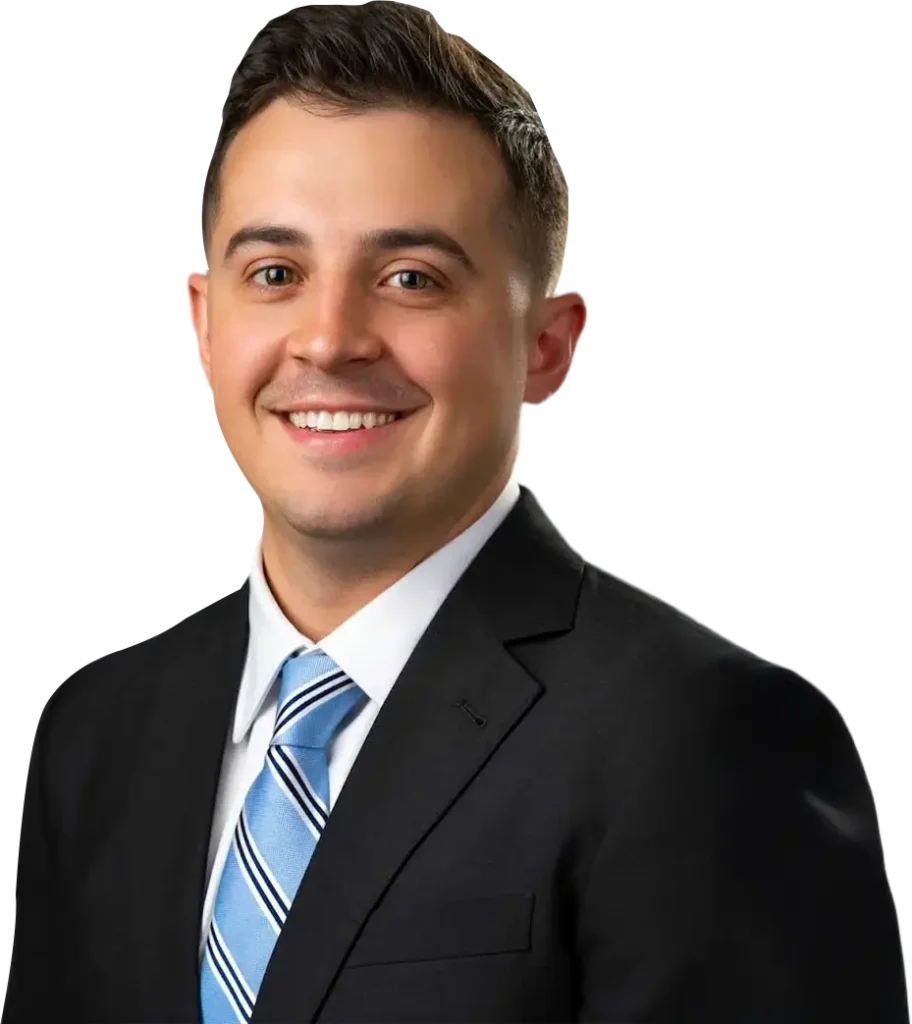
At our office, every rideshare file is reviewed under Daniel J. Larson, with attention to the trip or delivery records, the crash report from police, and your medical treatment before any recommendation about which policy to pursue. Our handling of app-ride injury cases throughout the region follows that same approach, and after we step in, the company’s claims office contacts our office rather than calling you.
What our clients say

We manage the rideshare insurance claim while you focus on getting better.
- We handle Uber and Lyft crash claims for passengers, drivers, and pedestrians across Worcester
- We sort out which rideshare and personal policies apply so no available coverage is left behind
- We prove fault when the drivers and their insurers try to point the blame at one another
- We push back on the quick, low offers big rideshare insurers make before the full harm is known
- Attorney Daniel J. Larson prepares every rideshare case as if it may have to go to trial
- No fee unless we win
- Free, private case review
- Same-day response
- Honest advice from day one


The rideshare company’s highest coverage usually applies when a passenger is in the car.
Protection shifts with the driver’s activity, sometimes several times in a single hour. Before the app is opened, the driver’s own policy is the only coverage, exactly as in any ordinary collision. During the stretch when the driver is online and waiting to be paired with a rider, the company supplies a modest backup layer for harm the driver causes to others. From acceptance of a request until the last rider leaves the car, a much bigger commercial policy covers the trip. Since one trip can pass through all three phases within minutes, the exact time of the collision often decides the result.
Riders keep protection even when the app driver was careful. When some other motorist is at fault and underinsured, or flees the scene without stopping, the company’s policy includes rider protection that can cover the shortfall while the trip continues. Using that protection usually requires quick notice to the insurer and proof that the other driver’s coverage was inadequate or could not be identified, so the police report and phone numbers for every bystander become especially valuable.
An auto policy normally pays the opening medical costs and a share of the pay you lose, whatever caused the collision, until a fixed amount is used up. Riders usually receive that money from the vehicle’s own insurance or from a policy carried by a family member at home. Once medical spending passes a threshold, or if the harm is serious or permanent, the person responsible can also be pursued for your pain.
Personal auto insurers routinely write out coverage for hours spent driving for a ride app, so the driver’s own carrier may reject the claim soon after receiving it. That rejection is normal and typically redirects the claim to the company’s policy. Real trouble begins when the two insurers disagree about the app’s status, which is why the company’s log for that driver’s account, including the minute a request was accepted, is demanded in writing before the claim goes much further.
Some drivers rent their cars through programs the app arranges, and others borrow a relative’s vehicle. A rental contract or a family member’s policy can bring an extra insurer into the case, each with separate limits and exclusions. Confirming who owns the car, and whether a rental company is involved, keeps a possible source of payment in view. Drivers registered in another state carry policies written under that state’s rules, which can change how early benefits and limits work, so the policy’s home state is checked as well.
Suing the company directly is harder. The rider terms accepted in the app contain dispute rules that can affect a lawsuit against the company itself, and the company typically denies responsibility for a contractor’s driving. Cases pursued against the careless driver and the trip insurance usually proceed without that complication. A direct case against the company generally requires proof that it let a driver keep working after serious safety complaints.
Proof of fault draws on the evidence used in any collision, plus information only the company holds: speed, braking, route, and phone activity captured by the app. A person found partly careless has any award lowered by that percentage and receives nothing if that share tops the others’ combined total. An injury lawsuit usually has to start within roughly three years, though a child’s limit may be extended. Detailed trip data is retained for a limited time, so preservation letters are mailed long before any deadline gets close.
When several passengers are hurt in one car, they draw on the same policy limits. Serious injuries to more than one rider can exhaust that coverage quickly, and documenting your own injuries and expenses early keeps your share from shrinking when the limits are split among every injured rider.
Drivers hurt while working follow their own path. Since drivers are classed as contractors, workplace injury benefits are usually unavailable to them. Drivers injured by a careless motorist can still sue that motorist, and the company’s insurance may also pay drivers harmed by someone who lacks adequate insurance while they are driving a paid trip. The terms of that protection vary, so the driver’s trip history and the policy wording are reviewed together.
Statements typed into the app’s incident report can surface later in the insurance claim. Riders and drivers who report a crash through the app should keep the description brief and accurate, because adjusters compare it with medical records and later testimony, and any mismatch becomes an argument against the claim.
Steep hills, ice, narrow streets, and parked cars can make rideshare stops more dangerous.
The city sits on a series of steep hills, and many residential streets climb sharply from the valley floor. In winter those grades turn slick quickly, and a car stopping for a rider on an icy slope can slide into a crosswalk or into the car behind it. Plowing records, weather data, and photographs of the street surface help reveal whether a driver took the grade too quickly for the conditions, or whether a landlord or plowing contractor left ice untreated. Sharp corners at the foot of those hills also shorten sight lines, so a rider stepping out near a corner may be hidden from traffic coming down the slope.
Many neighborhoods are lined with three-story wooden houses built close together, with cars parked along both curbs of narrow streets. App drivers often halt in the travel lane because there is nowhere to pull over, and riders step out into traffic or swing doors open into passing cyclists. Whenever a crash occurs during one of those double-parked pickups, both the driver’s choice of stopping point and the rider’s exit are examined.
Downtown has grown into an entertainment district, with a minor league ballpark, concert halls, and restaurants drawing crowds on game nights and weekends. Rideshare demand spikes when events end, drivers circle blocks looking for riders, and pedestrians cross mid-block toward waiting cars. Crowds leaving a game or a show also tempt frustrated drivers into sudden U-turns and quick lane changes. Busy nights bring in drivers from other towns who are unfamiliar with the layout, which can matter when a crash turns on a missed turn or an unexpected stop.
Downtown also holds the main train and intercity bus station, and many riders use an app car for the last stretch home. Drivers stopping in bus lanes or near taxi stands to meet those riders create conflicts with buses and pedestrians, and station-area camera footage is requested quickly because it is kept only briefly.
The city’s large medical center and its many clinics draw patients who rely on app rides to reach appointments, including older riders and people already recovering from illness. Riders who already have an existing health condition often face a dispute over what the crash made worse, and treatment records from before the collision help separate old problems from new ones. That comparison frequently drives how an insurer prices the claim.
Several highways meet close to downtown, and many rideshare trips head east toward the region’s main airport and jobs closer to the coast, a drive of an hour or more. Long trips at highway speed produce more serious crashes, and a crash outside the city may be investigated by the state police or another town’s department. Early morning airport trips often begin before sunrise, when drivers finishing a long shift may be tired, and the app’s record of hours spent driving can support that argument.
Several colleges bring students who travel by app late at night between campuses, apartments, and downtown. Campus police departments sometimes respond to crashes on or near their grounds, and their reports and camera footage are requested along with city records. Students from out of state may also carry health coverage through a parent’s plan, which affects who covers the earliest medical costs.
Trips that begin here and end in another town, or the reverse, can produce records held by different police departments. The same issue arises in rideshare claims in Framingham, where riders use the same highway corridor that links the two cities.
Medical bills, pay from any job you missed, and lasting pain all belong in an app-ride injury claim.
Payment in a rideshare case usually comes from several sources, and each covers something different. The auto policy responsible for early benefits handles the opening round of treatment costs along with some lost pay. Remaining losses, pain included, go to the trip policy or to the insurer for the careless party. Your health insurer may also seek a refund from the settlement for the care it covered, and that request can often be negotiated down.
Riders often suffer neck and back injuries from being thrown against a belt or a seat, and some of those injuries involve a damaged spinal disc that needs injections or surgery. Seat belts, while essential, can bruise ribs and injure shoulders, and riders sitting sideways or turned toward a companion often suffer twisting injuries to the spine. Head injuries from striking a window or partition may not show symptoms for days. Bike riders and walkers struck by app cars tend to suffer fractures and road rash that require longer rehabilitation.
Missed income is measured with pay stubs for employees and with tax returns, invoices, or app earnings statements for people who work for themselves. Drivers who work for several apps at once can show lost earnings through each platform’s weekly statements. Students who miss a semester or delay graduation can claim that delay as well. When lasting harm cuts into future work, the income you stand to lose in later years is estimated with guidance from doctors and, in serious cases, vocational experts.
Pain that lingers for months after a crash, trouble sleeping, and anxiety about riding in a car again all count toward the claim. A short journal kept from the first weeks, along with statements from relatives and coworkers, shows how ordinary days changed and backs up the pain and restrictions the crash left behind.
Scarring from glass or road rash, and any lasting limp or weakness, is recorded in photographs repeated every few weeks and with a note from the treating doctor about whether it will fade. Those long-term effects often carry more weight in negotiations than the first round of bills.
Health insurers, public programs, and some hospitals place claims against the recovery for the treatment they paid for. Those amounts are negotiated before a settlement is finalized, and reducing them leaves more of the recovery with you. Repaying medical bills from a settlement follows different rules for each payer, so every claim is reviewed separately.
Phones, laptops, glasses, and anything else broken in the crash are added to the claim, as are rides to appointments and help at home during recovery. Scene photos and purchase receipts make those costs straightforward to document.
Negotiations start when your doctors can say how much more treatment lies ahead. Settling sooner risks leaving out surgery, therapy, or missed work still to come, and a signed release usually closes the matter permanently.
Relatives who now provide daily care to someone seriously injured may have separate losses. Spouses who give up work to help at home, or parents caring for an injured adult child, can describe that burden in statements added to the file, and the hours of care can be valued at what a paid aide would cost.
Medical Bills and Future Care
Lost Wages and Earning Capacity
Pain, Suffering, and Hardship
Wrongful Death of a Loved One
Save the trip record, complete treatment, then settle the claim.
Get medical care and a police report
See a doctor right away, even if you feel okay, and make sure the crash is reported to police. Fast care builds a record tying your injuries to the wreck, which insurers question if you wait too long.
Save the trip and crash evidence
Screenshot your Uber trip, the driver, and the receipt before they are gone from the app. Photograph the vehicles, the scene, and any injuries, and get names and numbers from passengers and witnesses.
Talk to a lawyer before the insurer
Before you give an insurer a statement or accept a quick payout, talk with a lawyer who can sort out the coverage. Early advice shields the evidence and your deadline while you focus on your recovery.
- 5.0 stars out of 100+ reviews
A lawyer can help identify the right rideshare insurer.
Bring your trip receipt or a screenshot of the ride, any messages from the company, and the names of doctors you have seen. In that first conversation we explain which policies may apply, what the company’s records should show, and how the insurer usually reacts as the case moves along. This office draws on the firm’s full injury team for depositions and trial.
By submitting this form, you acknowledge that doing so does not create an attorney-client relationship. Please do not include confidential information. Contacting us does not obligate you to retain our services.
Our Clients.


Our Practice Areas.
Larson Law helps injured people and families across Massachusetts after a serious accident. If an Uber or Lyft crash has left you hurt in Worcester, we are ready to listen and explain your options.
These answers cover app status, rider coverage, time limits, and claims after a fatal ride.
Do I have a claim if I was an Uber passenger?
Almost certainly, if you were hurt as a passenger. As a rider you are rarely at fault, and you may have a claim against the rideshare driver, another driver, or both, depending on who caused the crash. While a ride is active, a large commercial policy generally applies. The main task is proving fault and identifying the right coverage, which a lawyer can do after reviewing the crash.
What if an Uber or Lyft hit my car?
You may. If a rideshare driver caused the crash, you can pursue a claim much like any other, but the available insurance can be larger or more complex because a company policy may apply when the app was on. Drivers and their insurers sometimes dispute coverage, so it helps to have a lawyer pin down the driver’s status at the time and the policy that covers your losses.
Whose insurance pays after a rideshare crash?
It depends on what the driver was doing. With the app off, the driver’s personal insurance applies. With the app on and waiting for a ride, a limited company policy can apply. Once a ride is accepted or a passenger is aboard, a larger commercial policy generally applies. Because coverage shifts with the driver’s status, identifying that status early is one of the most important steps.
What if the app was off when the crash happened?
Then the driver’s personal auto insurance usually applies, not the rideshare company’s commercial policy. That can mean less available coverage, which makes it important to confirm the driver’s status at the moment of the crash and to identify every policy that might apply, including your own. A lawyer can investigate the app data and insurance to find the coverage available to you.
What if I was a pedestrian or cyclist?
Yes, you can still have a claim. Pedestrians and cyclists struck by a rideshare vehicle are often seriously hurt and are rarely at fault. The same coverage questions apply based on the driver’s status, and a commercial policy may be available if a ride was active. A lawyer can identify the responsible parties and the insurance that should pay for your injuries.
How long do I have to file a claim?
Court papers for an injury case are usually due within a window of about three years that starts when the crash happens, though a child’s deadline may begin later. The company holds detailed trip data for a much shorter time, so that data should be requested in writing within a few weeks, long before the filing limit matters.
What if I was partly at fault?
Usually yes. Any award drops by the percentage of blame assigned to you, and nothing is recovered only if your percentage tops all the others combined. Passengers are seldom blamed, but walkers, bike riders, and other drivers often hear this argument from the company’s insurer.
What is a rideshare crash claim worth?
It depends on the injuries and their lasting effects. Value can reflect medical bills, future care, lost wages and earning capacity, pain and suffering, and the impact on daily life. Rideshare cases can involve larger policies, but bigger insurers also fight harder. A lawyer can evaluate the claim after reviewing the crash, the coverage, and the full medical picture.
Should I take the insurer's first offer?
Usually not before talking to a lawyer. A first offer often comes quickly and is calculated to close the claim cheaply, before the full extent of your injuries is known. Once you accept, you generally cannot reopen the claim for later costs. A lawyer can tell you whether an offer is fair and negotiate for the full value of your losses, including future care.
What if a loved one died in the crash?
Surviving relatives can seek damages for the death through whoever is appointed to run the estate. That case can seek lost income and household help, the loss of your loved one’s company, plus funeral expenses. The trip records that decide coverage for an injury also decide which policy answers for a death.
How much does a rideshare accident lawyer cost?
Nothing upfront. Larson Law handles rideshare crash claims on a contingency fee, so there is no charge unless we recover money for you, and the first case review is free. We advance the costs of investigating the crash and the coverage. We are only paid from a successful result, which lets an injured person take on large rideshare insurers without paying out of pocket while they recover.
What should I do right after a rideshare crash?
Get medical care right away, even if you feel okay, and make sure the crash is reported to police. Screenshot your trip details and the driver’s information from the app before they disappear, and photograph the scene and vehicles. Get names and numbers of witnesses. Avoid giving any insurer a recorded statement before you have spoken with a lawyer.
