Fall River Wrongful Death Lawyer
Carelessness causing death lets families seek payment.
Income, care and companionship taken by a preventable death may be recovered by relatives. One court-appointed person files for everyone, and evidence must be secured much earlier.
- No fee unless we win
- Same-day response
- Free case review
As Seen On:













Mourning relatives still face bills, hard questions, and insurance calls.
Decisions for the funeral home come due within hours, employers ask where to send a final paycheck, and somebody must tell the children. Amid those tasks, an adjuster for the trucking company or the hospital may already be telephoning with condolences and a form. Signing anything during that period is unwise, however kindly the request is phrased. Statements recorded during those telephone conversations are better postponed until counsel has reviewed what happened. Releases presented early are drafted to close every avenue for a fraction of real value. Politely declining, and referring further calls to counsel, costs the family nothing and preserves everything.
Legal responsibility for a death rests on the same foundations as responsibility for an injury. Ordinary caution was neglected by somebody, or recklessness took over, and that lapse ended a life. Proof may come from a crash reconstruction, a workplace safety inspection, medical charts, or a fire marshal’s findings. Because the person best able to describe events is gone, physical and documentary evidence carries the whole burden. Evidence secured quickly is the most valuable service a law office provides during that opening month.
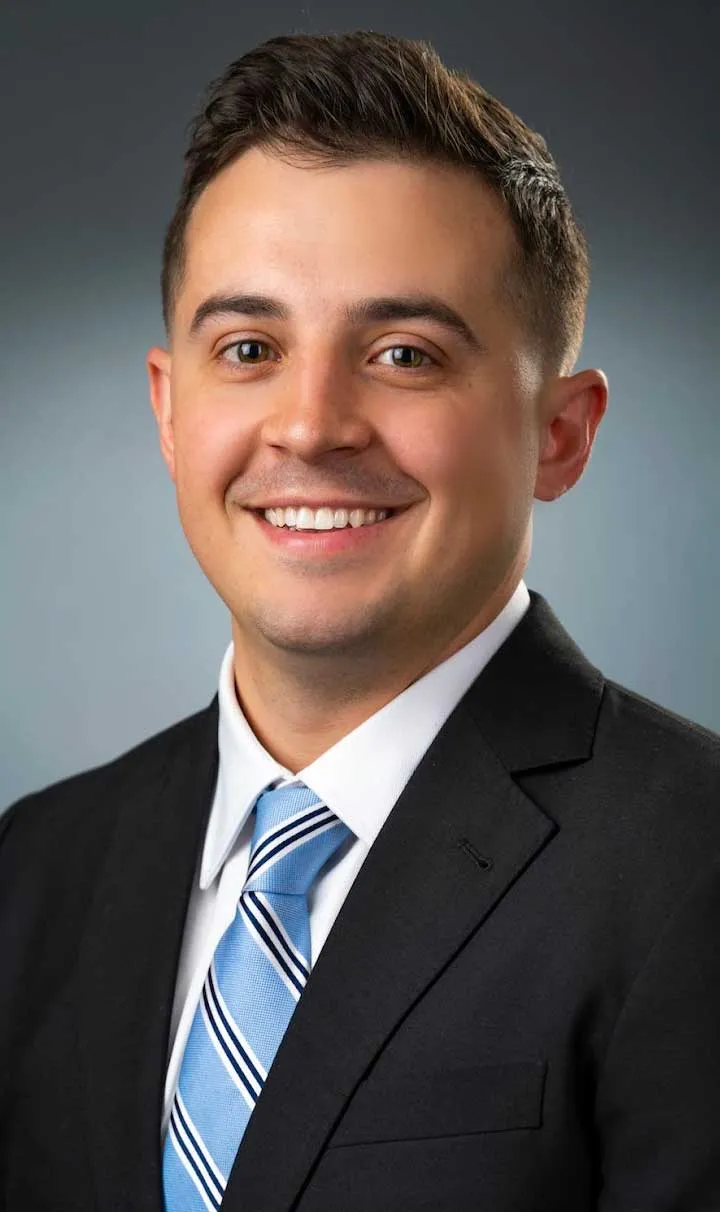
Bereaved families meet first with Daniel J. Larson, joined by the attorney who will shepherd the estate through probate. That appointment process is explained in plain steps during the opening conversation. Death certificates, marriage records, and a list of surviving relatives are collected only as quickly as grieving people can tolerate. Preservation letters to potential defendants are not delayed for any of that paperwork. Vehicles, machinery, and electronic records are placed under written hold before that first afternoon closes.
Questions about fairness within the family surface in many of these matters. Surviving spouses, adult children from an earlier marriage, and parents of an unmarried decedent may each expect a voice. Fixed rules determine who actually shares in the recovery and in what proportion. Explaining those rules early prevents misunderstanding from hardening into conflict. Afterward a written summary goes to distant relatives, so everybody receives identical information. Where interests genuinely diverge, separate advice is arranged so that nobody feels overlooked.
Occasionally criminal charges accompany a death caused by drunk driving, violence, or gross recklessness. Prosecutors pursue punishment on behalf of the public, and they must satisfy a far stricter burden. Civil recovery proceeds independently and succeeds on a lesser showing. Police and prosecutors develop evidence that the family can obtain for its own use once charges are resolved. Victim advocates at the courthouse keep relatives informed of hearing dates.
Patience is built into this work, because nothing about a fatal case can be hurried safely. Appointment of a representative takes several weeks, investigation several months, and negotiation with insurers longer still. Families are updated at regular intervals whether or not anything dramatic has occurred. Nobody is asked to relive events more often than necessary. Paperwork is brought to the kitchen table or mailed, whichever the household finds less tiring. Decisions about settlement or trial remain entirely with the representative, guided by candid advice.
What our clients say

Everyone who shares blame gets identified early.
- We handle the estate and probate steps to bring the claim, so your family is not left to navigate them alone.
- We identify every responsible party and insurer, so no source of accountability is quietly overlooked.
- We document the full value of your loss, both the financial support and the companionship that was taken away.
- We prepare every case to be tried, which moves an insurer toward genuine accountability, not a token offer.
- We handle your case with compassion and keep you informed, so you always know where things stand.
- No fee unless we win
- Free, private consultation
- Compassionate guidance
- Local to Fall River


Filing rights and payment shares follow special rules once somebody has died.
Only one person may bring the lawsuit. That individual, called the personal representative, is appointed by a probate judge and speaks legally for the estate thereafter. A will usually names the preferred candidate, and where none exists a spouse or adult child ordinarily serves. Appointment confers authority to hire counsel, sign documents, and approve any resolution. Certified copies of that appointment are then sent to insurers, hospitals, and anyone holding records. Unappointed relatives still benefit, since the representative is bound to pursue the case for them too.
Money recovered passes to defined beneficiaries regardless of what any will provides. Without children in the picture, a surviving spouse takes the entire recovery alone. Spouse and one child share equally, while several children leave the spouse one third and divide everything else among themselves. Children alone share equally, and absent spouse or children the next of kin inherit under the ordinary succession order. Creditors of the decedent generally cannot reach these funds.
What must be proven depends heavily on which kind of event ended the life. Motor vehicle deaths require showing that a driver breached traffic duties. Workplace deaths turn attention toward safety practices followed by contractors and by equipment makers. Medical deaths demand expert testimony that accepted standards of care went unmet during treatment. Typical defendants and insurers differ between categories, so each investigation starts somewhere different.
Several distinct losses are compensated.
Financial support the decedent would have provided is projected across expected working years. Economists consider age, health, education, earnings history, and likely advancement. Personal consumption is subtracted, leaving what would have reached the household. Services performed at home, from childcare to repairs, are valued at replacement cost. Readers wanting a fuller list can turn to the losses relatives may claim when negligence proves fatal.
Relational losses stand beside the financial ones. Spouses, children, and sometimes parents may recover for vanished companionship, comfort, guidance, and everyday advice. No formula governs their value, so testimony from those who knew the family carries the argument. Ordinary moments preserved in photographs, messages, and recordings help jurors understand what daily life looked like. Related principles are explained under changes to a marriage following serious harm.
Suffering endured before death belongs to the estate, apart from anything owed directly to relatives. Minutes or days of conscious pain, fear, or awareness of impending death are compensable. Emergency responders and hospital staff supply the key observations about whether the person remained aware. Money awarded for that portion passes through the estate, where unpaid debts may claim some of it. Burial and funeral expenses, kept reasonable, can also be recovered alongside those other categories.
Punishment may be added where conduct was especially blameworthy. Death cases allow punitive damages after gross negligence, or after conduct that was reckless, wanton, willful, or malicious. Intoxicated driving commonly qualifies, as does knowingly ignoring safety rules that everybody on site understood. Whether an insurance policy pays such awards differs from one contract to another. That standard receives fuller treatment where this site covers damages intended to punish rather than repay.
Several procedural rules need attention early.
Lawsuits like these generally expire unless begun inside a fixed period after somebody’s passing. Hidden causes change the count, since the period may then run from discovery by the representative. Public defendants require written presentment well before that and enjoy a cap on damages. Charities are protected by a separate limitation that applies only to such institutions. Medical cases face an additional outer boundary measured from the treatment.
Shared fault by the decedent reduces recovery proportionally and, once past one half, bars it entirely. Knowing the decedent cannot respond, defendants press this argument harder than most others. Vehicle data, surveillance recordings, and disinterested witnesses must therefore speak where the decedent no longer can. Typical subjects include seat belt use, traveling speed, and whether the decedent had been entirely sober. Thorough early investigation usually neutralizes speculation.
Deaths on the job move along two separate paths simultaneously. Dependents receive weekly benefits and burial costs through insurance carried by the employer, and nobody’s fault needs proving. Employers ordinarily cannot be sued, yet outside contractors, landowners, and machinery manufacturers remain exposed. Recovery from those parties reimburses the benefits insurer in part. How those two proceedings are coordinated affects the amount relatives finally retain.
Judicial approval is required whenever a settlement involves beneficiaries who are still minors. Judges review the amount, the allocation among relatives, and how a child’s share will be protected. Structured payments or restricted accounts are the usual means of protecting that money until adulthood. Legal fees and expenses are disclosed to the judge during that same review. Our article comparing settlement with trial discusses how such choices are weighed.
Highway crashes, job sites, and open water explain numerous local deaths.
Above the waterfront, two limited-access highways converge before crossing the long bridge. Elevated ramps, tight curves, and frequent lane drops produce high-speed collisions with little room for recovery. Entries against the flow of traffic late at night have caused several of the worst. Troopers reconstruct those events and download whatever data each vehicle recorded beforehand. Fault in such collisions is explained under vehicles traveling against traffic, a subject treated separately.
Arterial avenues climbing from the river carry heavy traffic past dense housing. Pedestrians, many of them older residents, are struck at unsignalized crossings after dark. Street lighting levels and crosswalk markings are measured as part of any investigation. Buses and delivery trucks share those corridors with limited sight distance on the grades. Municipal records show whether earlier complaints about a particular crossing went unanswered. Neighbors who walk those blocks daily often remember near misses that never reached any official file.
Impaired driving remains a persistent cause. Bars, clubs, and private functions send intoxicated motorists onto streets where pedestrians and other drivers have no warning. Establishments that served a visibly drunk patron share liability for a resulting death. Receipts, video, and testimony from servers establish how much alcohol was poured and for whom. Detailed coverage of such proof accompanies our writing about crashes caused by drunk drivers generally.
Construction on the viaduct, the rail extension, and waterfront parcels has introduced cranes, deep excavations, and work over water. Fatal falls and struck-by incidents have occurred among experienced tradespeople. Coworkers who watched the incident are interviewed quickly, before crews scatter toward other projects. Federal inspectors investigate every workplace death and issue citations where rules were broken. Those citations, while not conclusive, point the civil case toward the right questions. Contracts among owners, general contractors, and subcontractors reveal which company actually controlled safety on site.
Commercial fishing boats and tugs work from the harbor year-round. Sinkings, falls overboard, and winch entanglements claim lives in a trade long recognized as dangerous. Investigators collect radio traffic and crew statements quickly, while recollection of that voyage remains reasonably fresh. Federal maritime remedies apply to crew members, and they come with different beneficiaries and different deadlines. Vessel owners must preserve logs, maintenance files, and safety equipment exactly as they were found. Families of fishermen should seek advice promptly because those deadlines differ.
Drownings occur each summer at ponds, the bay shoreline, and private pools. Pools must be fenced by whoever owns them, and invited swimmers need appropriate supervision. Camps and beaches run by a municipality fall under notice rules reserved for governmental defendants. Lifeguard staffing records and incident reports are requested before anything can be misplaced. Rental properties with pools raise questions about both owner and management company. Photographs capture each gate latch and depth marking before anybody repairs or replaces equipment around the water.
Care facilities and nearby courthouses also shape these cases.
Rehabilitation centers and nursing homes serve an aging population throughout these neighborhoods. Deaths from untreated infections, choking, falls, and medication mistakes prompt many inquiries. Staffing levels, state survey results, and the resident’s full chart are examined. Corporate ownership often extends across several states. Tracing which company employed the caregivers on duty takes patient review of licensing paperwork. Comparable matters fall within our practice concerning neglect in long-term care, described separately.
Probate appointments are made by the county’s family and probate court, which sits within the city on scheduled days. Civil suits proceed in the superior court, usually in a county where one of the parties lives or does business, or, where a defendant company is based elsewhere, before a federal judge. Families living farther east may read about our work with bereaved relatives in that neighboring city instead. Relatives who prefer Spanish or Portuguese are assisted by interpreters at meetings and hearings. Meetings are held at home when travel is difficult.
Recovery covers lost paychecks, lost care, and funeral bills.
Replacement of income usually forms the largest single component in these recoveries. Employer letters, alongside tax returns and pay stubs, establish what the decedent had been earning. Added to wages are benefits like retirement contributions and the health coverage a job supplied. Self-employed decedents require analysis of business records. Ledgers, invoices, and bank statements are reviewed with an accountant familiar with small enterprises. Economists then present a figure with supporting calculations. Relatives read that written report beforehand, so nothing said from the witness stand startles them.
Household contributions get overlooked easily, yet they are substantial once totaled. Cooking, childcare, transportation, home maintenance, and care for elderly relatives all have market value. Surviving relatives describe a typical week, hour by hour, so nothing ordinary goes unmentioned. Experts translate those hours into annual cost. Local rates for housekeepers, drivers, tutors, and handymen supply the benchmarks behind that arithmetic. Jurors readily understand this category when it is presented concretely. Calendars, school schedules, and grocery lists often illustrate the routine better than any spreadsheet could.
Guidance and companionship matter most to the people who shared that person’s daily life. Teaching, discipline, and encouragement from a parent disappear from a child’s life. Spouses lose a partner’s presence in every decision. Teachers, coaches, friends, and clergy may be asked to recount how they saw that relationship. Parents whose adult child has died may recover in defined circumstances. Counselors’ records can document how deeply that absence is felt.
Expenses arising directly from the death are reimbursed. Itemized statements are requested from hospitals and ambulance services instead of relying on rough estimates. Ambulance, emergency treatment, and intensive care bills often accumulate before the person dies. Funeral, burial or cremation, and memorial costs follow in the days afterward. Journeys made by relatives and working days they missed are recorded too. Employer attendance printouts and airline confirmations document those items adequately for any insurer reviewing them. Receipts should be kept together in one folder, starting as soon as bills arrive.
Multiple insurance policies frequently apply. Separate companies typically issue them, and each keeps its own claims staff and paperwork. Automobile liability, commercial general liability, umbrella coverage, and underinsured motorist protection bought by the household may each respond. Written demands, and sometimes a lawsuit, are needed before every policy is identified. Coverage limits shape strategy well before any demand is drafted. Declarations pages are obtained in writing, since verbal descriptions of coverage frequently prove incomplete. Plain words are used when telling families what is realistically collectible.
Allocation between the relatives’ claim and the estate’s claim for suffering affects creditors and taxes. Counsel proposes a division that the evidence supports and that each beneficiary can understand. Probate judges review it where minors are involved. Supporting affidavits accompany that request, summarizing medical evidence about how long awareness lasted. Liens asserted by health coverage plans and by public programs are negotiated before distribution. Net proceeds are then distributed under the fixed shares. Written accountings showing every deduction are delivered to each beneficiary when checks are issued.
Accountability is often as important to families as money. Depositions compel those responsible to explain themselves under oath. Safety changes are sometimes secured as part of a resolution. Revised training, repaired equipment, or new signage can matter deeply to grieving households. Public verdicts create a record that private apologies do not. Each family decides how much weight to give that goal. Whichever direction relatives lean, nobody working here presumes to choose it for them.
Medical Bills and Future Care
Lost Wages and Earning Capacity
Pain, Suffering, and Hardship
Wrongful Death of a Loved One
Estate paperwork and evidence gathering move forward together.
Reach out to us when you feel ready
When you are ready, reach out to us for one private conversation. We explain your family rights with compassion, tell you what to preserve, and there is no pressure and no obligation of any kind here.
We handle the estate and your claim
We handle the difficult legal steps, including opening the estate and having a representative appointed, then find every responsible party and preserve the evidence before it could be lost or altered.
We pursue those who are responsible
We build the case for the full value of the loss, deal with the insurer, and press for real accountability, so your family can grieve and heal while we carry the weight of the claim from start to end.
- 5.0 stars out of 100+ reviews
Relatives may call whenever they feel ready, bringing only one name and one date.
Reach the office by phone or message at any hour that feels manageable. Only the person’s name, the date, and a brief account are needed at first. Hold letters are mailed promptly, and the appointment process is outlined. Guidance throughout comes from the experienced lawyers in our injury department personally. Relatives living far away may join through a video call instead.
By submitting this form, you acknowledge that doing so does not create an attorney-client relationship. Please do not include confidential information. Contacting us does not obligate you to retain our services.
Our Clients.


Our Practice Areas.
Larson Law handles wrongful death, car accident, unsafe property, work injury, and other serious cases across Fall River and the neighboring communities.
Family questions usually concern filing rights, required proof, and remaining time.
Who can bring the claim?
The claim is brought by the personal representative of the deceased person’s estate, not by family members individually. The representative pursues it on behalf of the surviving beneficiaries, generally the spouse, children, and next of kin. We help the family have a representative appointed so the claim can move forward properly.
What has to be proven?
You must show that the death was caused by another’s negligence, willful or reckless conduct, or a breach of warranty, much as in any injury case. You do not have to prove anyone intended harm; ordinary carelessness that causes a death is enough. We gather the evidence needed to establish that responsibility.
How long do we have to file?
In most cases the claim must be filed within a fixed period after the death, or after its cause was or should have been discovered. Because a personal representative usually must be appointed first, it is important to speak with a lawyer early so the deadline is not missed.
What compensation can our family recover?
Massachusetts allows recovery for the fair monetary value of your loved one to the family, including lost income, services, and the care, companionship, guidance, and counsel they provided, plus funeral and burial expenses. Punitive damages may also be available where the conduct was grossly negligent or reckless.
Is this the same as a criminal case?
No. A criminal case is brought by the state to punish an offender and does not compensate the family. A wrongful death claim is a separate civil action brought for the family to recover for the loss. The two are independent, and a claim can proceed whether or not there is any criminal case.
Do we need to open an estate?
Usually yes. Because the claim belongs to the estate, a personal representative typically must be appointed through the probate court before suit can be filed. This step can take time, which is one reason to begin early. We routinely guide families through opening the estate so the claim is not delayed.
What if our loved one was partly at fault?
Massachusetts follows comparative fault, so a loved one being partly responsible does not necessarily bar a claim. Recovery is reduced in proportion to their share of fault and is only barred if they were more at fault than everyone else combined. We prepare to answer attempts to shift blame onto the person who died.
Can more than one party be responsible?
Often, yes. Many wrongful death cases involve more than one responsible party — for example a driver and an employer, or a property owner and a manufacturer. Identifying every liable party matters both for full accountability and for reaching enough insurance coverage to truly support the family going forward.
What are punitive damages?
Punitive damages are additional compensation the law allows when a death was caused by especially serious conduct, such as gross negligence or reckless or malicious behavior. They are meant to punish and deter that conduct. Whether they apply depends on the facts, and we evaluate that as part of building the claim.
Can we recover for our loved one’s suffering before death?
Sometimes, yes. If your loved one consciously suffered between the injury and death, the estate may bring a separate claim for that pain and suffering in addition to the wrongful death claim. It is a distinct element of recovery, and we pursue it where the facts and medical evidence support it.
How is the lawyer paid in these cases?
Nothing is asked of the family up front. The lawyer’s payment is a percentage of what is recovered, written into an agreement the representative signs, and it is not owed when nothing is recovered. Accountability can therefore be sought without a financial burden during a time of grief.
What should we do first?
When you are ready, speak with a lawyer before dealing with any insurer. Keep records related to the death and your loved one’s life and finances, and avoid signing anything or giving recorded statements first. We can guide you through the immediate steps, including beginning the estate, with compassion and care.