
Everett Bus Accident Lawyer
You trusted the bus.
We hold it to that duty.
When a bus stops short, turns carelessly, or crashes in Everett, riders and nearby drivers can be badly hurt, and a public deadline can run out before you even know a claim exists.
- No fee unless we win
- Same-day response
- Free case review
As Seen On:











How an Everett Bus Accident Lawyer Helps
A bus carries dozens of people who have no seatbelts and no control over how it is driven, so a sudden stop, a careless turn, or a collision can throw passengers into poles and seats and cause serious injuries. Bus companies and public transit agencies are held to a high standard as common carriers, but they also move quickly to protect themselves, and when a public agency is involved a short notice deadline can end a valid claim before it begins. Knowing which rules apply, and how fast they run, is where good representation begins.
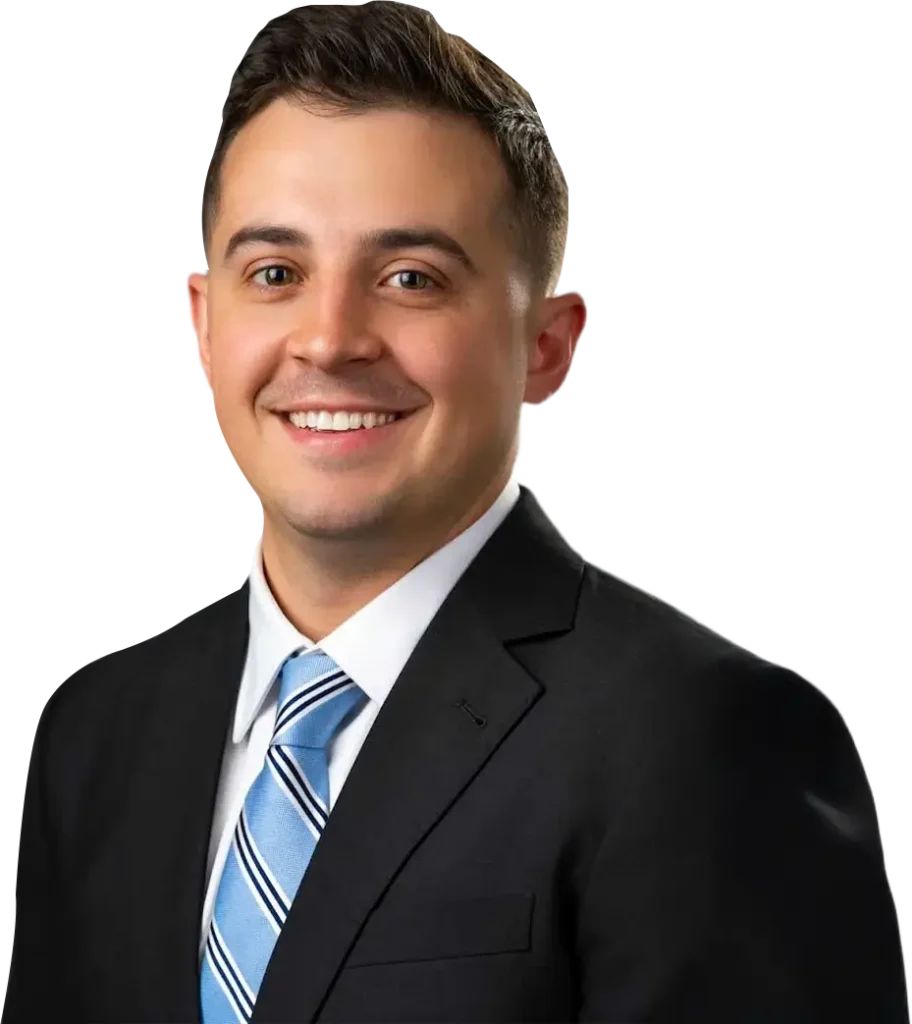
Every Everett bus accident case at our firm is handled under the direction of Daniel J. Larson, whose practice as a Boston personal injury attorney covers transit and bus crashes across Middlesex County and the communities north of Boston, including our neighboring Chelsea bus accident lawyer practice. We identify whether the bus was public or private, preserve the onboard and street camera footage, deal with the operator and its insurer directly, and protect your deadlines while you focus on recovering.
You may not even know yet whether the bus was public or private, or that a deadline is already running, and that is exactly why the first conversation is free and carries no obligation. You do not have to untangle the rules yourself; that is our work. What matters is getting a lawyer involved quickly, so the right notice is given, the onboard video is preserved, and no deadline quietly passes before your claim is protected.
What our clients say

Why Injured Everett Bus Riders Choose Larson Law
- We move fast to secure the bus’s onboard cameras and the street footage before either is recorded over.
- We identify whether the bus was public or private, which decides the rules, the insurer, and the deadlines.
- We protect the short notice deadline that applies when a public transit agency or a city may be responsible.
- We build the full value of the injury, including future care and lost income, not just the first bills.
- We explain each step in plain language, so you always understand the decision in front of you.
- No fee unless we win.
- Free case review.
- Direct access to your attorney.
- We come to you across Everett.


How Massachusetts Law Treats a Bus Crash
Buses are common carriers, and the law holds them to a high duty of care toward their passengers. A bus operator must use the vigilance a very careful carrier would exercise, so a sudden, unnecessary stop, an unsafe turn, or a failure to watch for traffic can be negligence even where a private driver might be excused. This matters because it shapes what you must prove, and it is why the driver’s conduct and the operator’s training and maintenance records are central to a bus case.
Because a bus is a motor vehicle, the no-fault system still applies to the people it injures. Under Chapter 90, Section 34M, personal injury protection pays early medical bills and part of lost wages regardless of fault; this matters because it starts treatment quickly, though a serious injury exhausts it fast. To recover in full for pain and suffering, the claim generally must meet the tort threshold in Chapter 231, Section 6D — more than two thousand dollars in medical expense, or a fracture, permanent disfigurement, or loss of sight or hearing; this matters because serious bus-crash injuries usually qualify.
Who owns the bus changes everything about the deadline. When the bus belongs to a public agency such as the MBTA or a city, a claim is subject to the Massachusetts Tort Claims Act, which requires a written presentment notice to the right official within a short, strict window before any lawsuit — far shorter than the ordinary deadline; this matters because missing that notice can bar an otherwise valid claim, and identifying a public defendant early is essential. Fault is still decided under comparative negligence: under Chapter 231, Section 85, you can recover as long as you were not more than half at fault, with any recovery reduced by your share.
The general deadline still runs in the background. Under Chapter 260, Section 2A, a personal injury lawsuit generally must be filed within three years; this matters because even where a public presentment deadline is met, the three-year clock still governs the suit, and the onboard video, maintenance logs, and witness accounts that prove a bus case fade or are overwritten within days unless preserved.
The public-versus-private question is the first and most important one in a bus case, because it changes the deadline, the defendant, and the procedure. An MBTA bus, a municipal or school bus operated by a public body, and a private charter or shuttle are each handled differently. Public claims carry the short presentment requirement and other limits; private carriers are sued under ordinary negligence and the general deadline. We determine ownership immediately, because guessing wrong, or waiting, can forfeit the claim.
Evidence in a bus case is unusually rich but unusually perishable. Modern transit buses carry multiple interior and exterior cameras, GPS and telematics that record speed and braking, and automatic passenger counters, and the operator keeps driver logs, training files, and maintenance records. Street and business cameras near the stop may capture the rest. Almost all of this can be overwritten on short cycles, so a prompt preservation demand — and, for a public agency, the correct notice — is often what keeps the proof from disappearing.
Proving the operator’s negligence is about showing what a careful carrier would have done differently. An unnecessary hard stop, a turn taken too fast for standing passengers, a failure to wait until riders were seated, a driver distracted or behind schedule, or a bus that pulled out without yielding can each breach the high duty a carrier owes. The video and data usually tell that story directly, which is why securing them early is so important.
Damages in a bus case are proven the same careful way regardless of who owns the bus. We document the emergency and follow-up care, the therapy, the time missed from work, and any lasting limits on the ability to earn, and we connect each to the crash through records and the opinions of treating providers. Where the effects are long-term, we build the future-care picture with medical and economic input so the claim reflects the years ahead, not just the bills already received.
Liability in a bus crash is not always limited to the operator. When another driver caused or contributed to the collision, that driver’s insurance is part of the claim; when poor maintenance played a role, a contractor may share responsibility; and when a dangerous stop, crossing, or road condition contributed, the entity responsible for that location may be implicated. Identifying every responsible party matters, because a serious bus-crash injury can exceed a single policy, and additional coverage is often the difference between a partial and a full recovery.
None of these rules works in isolation, and part of a lawyer’s value is fitting them together for your specific crash — whether the bus was public or private, which deadline controls, which coverage responds, and how the onboard evidence proves fault. We map that out immediately so the claim is built correctly and protected from the first days rather than repaired later, and so any early offer is measured against what the case is genuinely worth. If you are unsure whether you even have a claim, a short, free conversation is usually enough to tell you.
The early days often decide how a bus case unfolds, even more than in an ordinary crash, because the notice and preservation steps have to happen fast. Prompt medical care and an immediate move to secure the onboard video and give any required notice build a foundation that is hard for an operator or agency to dispute later. The point is simple: you trusted the bus to carry you safely, and when it failed that duty, the law gives you a claim — as long as the deadlines are met.
Where Everett Bus Crashes Happen
Everett is served by a dense network of MBTA bus routes that run along Broadway, Route 16, and the corridors feeding the Encore Boston Harbor and the transit connections toward Boston, and school buses and private charters use the same crowded streets. That means bus crashes here take several forms: collisions with other vehicles at busy intersections, injuries to standing passengers from sudden stops and hard turns, and pedestrians and cyclists struck near stops. Whether the bus was an MBTA vehicle, a school bus, or a private carrier decides which rules and deadlines apply, and that is one of the first things we determine.
Knowing the local system helps a claim move. Everett matters are heard in the Malden District Court and, for larger claims, the Middlesex Superior Court, and injured riders are treated at Cambridge Health Alliance Everett Hospital or Boston trauma centers, whose records document the harm. Public buses carry multiple onboard cameras and GPS data, and stops and nearby businesses often have their own footage, but transit and private video is frequently overwritten within days unless it is formally requested, which is one more reason the first hours after a bus crash matter so much.
The pattern of a bus crash usually points to its cause and its likely defendant. A collision at a busy Everett intersection may involve both the bus operator and another driver; an injury to a standing passenger from a sudden stop points to how the bus was driven; and a pedestrian or cyclist struck near a stop raises questions of sightlines and right-of-way. Each pattern calls for different evidence and, often, a different responsible party, and knowing the corridor helps us move straight to it.
The transit activity that connects Everett to Boston also concentrates risk. Frequent MBTA service along Broadway and the main corridors, school routes on residential streets, and the shuttle and charter traffic drawn by the casino all share crowded roads with cars, cyclists, and people on foot. That mix raises the stakes at ordinary stops and intersections, and it makes the onboard and street video especially important, since it often captures what the operator later disputes.
Where a crash occurred also decides who investigates and where a dispute is resolved. A collision on a state route may fall to the State Police, while a city-street crash is documented by the Everett Police, and that changes where the report and any transit data live. Civil claims arising in Everett are commonly handled through the Malden District Court or the Middlesex Superior Court, and the treating hospital’s records become central proof of the harm.
Local knowledge shortens the path to the right evidence. When we already know which Everett routes and stops see repeated incidents, where sightlines are poor, and which agencies and businesses hold video, we can move straight to the proof and give any required notice without delay. Because Everett sits so close to Chelsea, Malden, Medford, and Charlestown, a route or a crash near a shared corridor can cross city and agency lines, and knowing how those lines are drawn helps us name the right defendant and meet the right deadline.
Wherever the crash happened along Everett’s routes, the sooner that work begins, the more of the video and the deadline we can protect.
A crash involving an MBTA or private bus adds layers a car case does not, including a public-carrier defendant and short written-notice deadlines that can arrive long before an ordinary claim would; this matters because missing that early notice can bar an otherwise strong claim, so identifying the responsible entity and acting quickly is essential after any Everett bus injury.
What an Everett Bus Accident Claim Covers
A bus crash can cause injuries as serious as any highway collision, and Massachusetts law lets an injured person recover for the full picture. That includes past and future medical care, lost income and reduced earning capacity, and the pain and the disruption the injury brings to everyday life. Because the no-fault system frames the early bills, understanding how PIP pays your first medical costs is part of building the claim correctly, even when a bus operator is at fault.
No two crashes carry the same losses, so part of our work is showing how those losses are added up in a way that reflects the real toll on you and your family. Where a crash causes lasting harm, a life-changing injury or a serious head injury can require care whose cost must be projected across years. Whatever the severity, we build the claim around what actually happened to you, not an insurer’s formula.
Beyond the medical bills, a serious bus crash lands as a financial shock. Emergency care, imaging, surgery, and rehabilitation add up quickly, and time away from work drains income exactly when the bills are climbing. For someone who cannot return to the same job, the loss can reach years into the future. We build the claim to capture all of it — present and future — so any settlement reflects the true cost rather than only the receipts already gathered.
Recovery is rarely a straight line. Some passengers return to their routine within weeks, while others face months of therapy or permanent limits, and both realities belong in the claim. Our task is to make sure the compensation reflects your actual recovery and the support you will genuinely need, documented with your treating providers and, where the injury is severe, medical and economic experts.
Above all, our goal is to lift the weight of the claim off you, starting with the deadlines that make bus cases so unforgiving. You should be focused on healing, not on figuring out which agency to notify and when. We take on the investigation, the notice and preservation, the paperwork, and the negotiation, keep you informed at every turn, and pursue the case toward a fair resolution — and to trial if a fair resolution cannot be reached. There is never a cost to find out where you stand, and we charge no fee unless we recover for you.
Every bus crash is different, but what injured people need is consistent: fast protection of the deadlines and the evidence, a clear answer to the operator’s account, and an honest accounting of the full harm. Meeting those needs is what we do, and it is why passengers and pedestrians across Everett and the communities north of Boston turn to us after a serious crash. If a bus has hurt you, a short, free conversation can tell you where you stand and what to do now to protect the claim.
When you are ready, we are here to listen, explain your options clearly, and begin protecting your Everett bus accident claim the same day you call, at no cost and with no obligation to continue.
The first call is always free, and with a bus case it may also be time-sensitive.
MBTA and Public Bus Crashes
School and Charter Bus Crashes
Sudden-Stop and Fall Injuries
Pedestrians Struck by Buses
Three Steps After an Everett Bus Crash
Get care and note the bus’s details
Get medical attention right away, and if you can, note the bus route, number, and operator and photograph the scene; report the crash to the driver or agency and get the names of any nearby witnesses.
Talk to an Everett bus crash lawyer
Reach out for a free private conversation. We determine whether the bus was public or private, explain the deadlines that apply, and tell you what onboard video and key evidence must be preserved now.
We protect deadlines and press hard
We send preservation and any required notices, obtain the camera footage and records, deal with the operator and its insurers, and pursue every responsible party for the full cost of a serious injury.
- 5.0 stars out of 100+ reviews
Speak With an Everett Bus Accident Lawyer Today
If a bus crash hurt you in Everett, the clock may already be running, especially if a public agency was involved, so you should not wait to get advice. As a dedicated Boston personal injury attorney team serving Everett and the communities north of Boston, we offer a free, no-pressure review of your crash and charge no fee unless we win. Reach out today so your deadlines and evidence are protected.
By submitting this form, you acknowledge that doing so does not create an attorney-client relationship. Please do not include confidential information. Contacting us does not obligate you to retain our services.
Our Clients.


Our Practice Areas.
Larson Law helps bus and transit passengers and nearby drivers across Massachusetts after a serious crash. If a bus operator’s carelessness left you hurt, we are ready to listen and explain your options at no cost.
Common Questions After a Chelsea Crash
What should I do after a bus accident in Everett?
Get medical care even if you feel okay, note the bus route, number, and operator, and report the crash to the driver or agency. Photograph the scene, collect witness information, and avoid giving a recorded statement to any insurer before speaking with a lawyer.
Is a claim against a public bus different from a private one?
Yes, significantly. If an MBTA or city bus is involved, the Massachusetts Tort Claims Act requires a written notice to the right official within a short, strict deadline before suit. Missing it can bar the claim, so identifying a public defendant early is critical.
Do I get PIP benefits after a bus crash?
Usually yes. A bus is a motor vehicle, so personal injury protection can pay early medical bills and part of lost wages regardless of fault, whether through the bus’s coverage or, in some cases, your own auto policy. We sort out which coverage applies.
The bus company says the crash was not its fault. What now?
That is common. We gather the onboard video, GPS data, the driver’s record, and witness accounts to show what really happened. Buses are held to a high standard as common carriers, and the evidence, not the company’s account, should decide fault.
How long do I have to file a bus accident claim?
Against a private company, generally three years. But if a public agency like the MBTA is involved, a much shorter written notice deadline applies first. Because those windows are strict and evidence disappears fast, it is best to call a lawyer immediately.
I was hurt by a sudden stop, not a collision. Do I have a claim?
Possibly yes. A common carrier must operate with a high degree of care, and an unnecessary hard stop or unsafe turn that injures a standing or seated passenger can be negligence. The onboard video often shows exactly what happened.
What injuries are common in bus crashes?
Because passengers are unrestrained, head injuries, neck and back injuries, fractures, and injuries from being thrown are common, and pedestrians struck by a bus can be catastrophically hurt. Prompt medical care protects both your health and your claim.
What if I was a pedestrian or cyclist hit by a bus?
You may have a strong claim. The same common-carrier duty and, for public buses, the notice rules apply, and injuries in these cases are often severe. We move quickly to secure the bus and street video before it is lost.
Who can be responsible for a bus crash?
Depending on the facts, the bus driver, the transit agency or private company, another driver who caused the collision, or a contractor responsible for maintenance can share fault. Identifying every responsible party matters when injuries are serious.
What is my bus accident claim worth?
There is no fixed figure. Value depends on the severity and permanence of your injuries, your medical costs, lost income, and the pain you endure. We document each loss, including future care, so the claim reflects the true cost rather than a first offer.
What does it cost to hire a bus accident lawyer?
Nothing upfront. We work on a contingency fee, so there is no hourly billing and no fee unless we recover for you. The first review of your crash is free, so there is no financial risk in finding out where you stand.
Do you handle bus crashes beyond Everett?
Yes. We represent bus and transit passengers and pedestrians in Everett and the surrounding communities, including Chelsea, Malden, Medford, Somerville, and Charlestown. Reach out by phone or through the form on this page for a free review.
Results Disclaimer: Past case results, settlements, and verdicts mentioned on this website do not guarantee or predict a similar outcome in any future case. Every case is unique and depends on its own facts and legal issues.