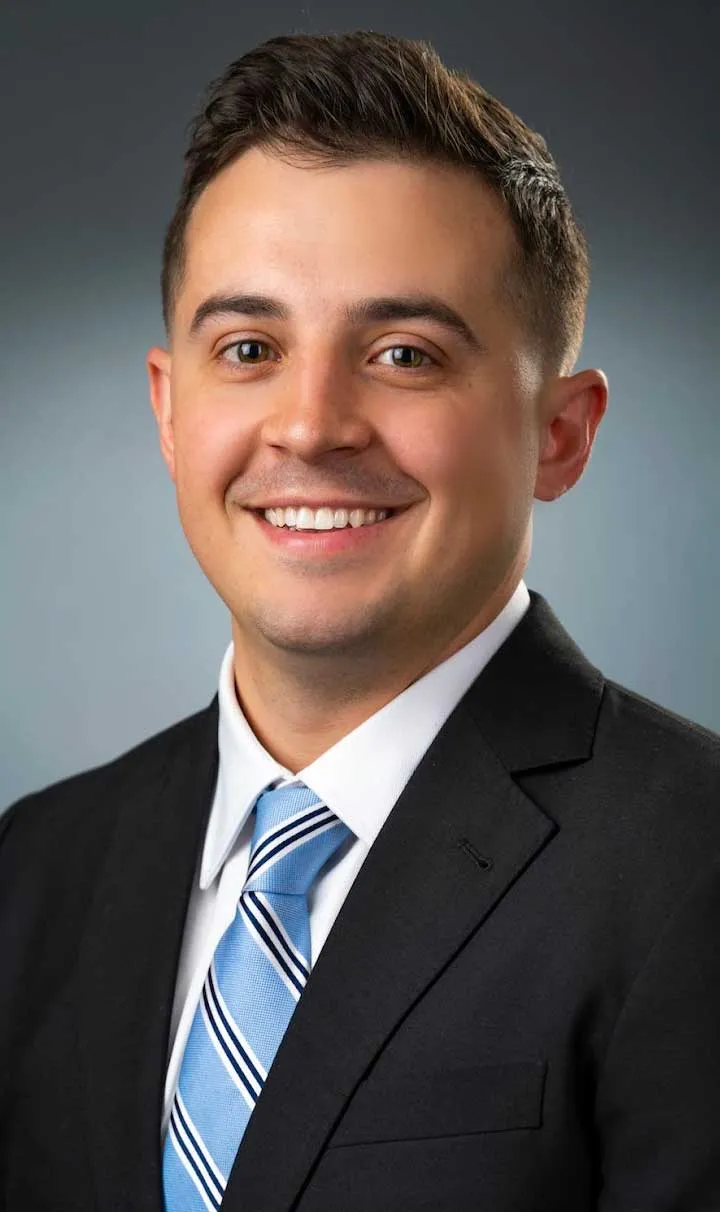










Attorney Daniel J. Larson

Everett Uber Accident Lawyer

Your driver must not cut across lanes to reach a pickup.

Drivers often spot a rider waiting across the road and swerve through traffic to get there fast. That sudden move puts the fault for that crash on the rideshare driver who made it.

As Seen On:

NBC News
WBZ CBS News Boston logo

An Everett Uber accident lawyer makes the careless driver's insurer pay you

You open the app, pick a ride and trust a stranger to drive you home. Most trips end fine. Some end with a careless rideshare driver running a light, drifting out of the lane or following the map straight into a turn that was never safe. Then you are left hurting, with insurers calling and bills arriving.

Plenty of riders hesitate to file because the driver seemed kind. We hear this often. Payment in these cases comes from insurance, not from the driver’s savings. Both companies keep large policies in place for the hours a driver is working, and those policies were bought for people hurt during a trip.

Rideshare drivers also hurt people outside the car. Other motorists, cyclists and people crossing the street get hit by rideshare cars as well. The same trip policy can reach you when the crash happened while the driver was working, even though you never booked the ride. A cyclist clipped by a car rushing to a pickup can claim against that trip policy just like the rider in the back seat.

In some crashes, the rideshare driver did nothing wrong. Another car runs a red light or slams into the back of the rideshare car. Your claim then goes against the careless driver of that other car, and we still work out which insurance pays first and which pays next.

The companies rarely make this simple. Their insurers sometimes argue the app was off, or that the ride had not begun, because the amount of coverage changes with each stage of a trip. Our office requests the company’s record of the trip. It shows when the driver accepted the ride, when you got in and the path the car took, and it usually ends the argument. When the company will not share it, we ask a court to order it.

Daniel J. Larson handles every rideshare case we take. He reviews the reports, speaks with the witnesses and deals with each insurer himself. Being a law office for people hurt in crashes they did not cause means we explain every stage in simple words and answer your calls ourselves.

Your early choices shape the strength of your rideshare case. Visit a doctor soon and go to each follow-up, since your medical records are the main proof of every injury you suffered in the rideshare car. The trip receipt in your app proves you were a passenger, so save a copy. An adjuster for the rideshare company may phone you early and ask to tape your account, so call us before you agree.

You did not pick the driver, the route or the traffic. You only asked for a ride. The careless driver should pay for your treatment, your missed paychecks and the pain you carry through recovery. Getting that result is the aim of our work.

What our clients say

Jeffrey K.
★★★★★
Attorney Larson or Dan as I refer to him now is a phenomenal lawyer who has turned into a friend. He is knowledgeable, smart, extremely thorough and aggressive. He knows the law and delivers fantastic results in a timely fashion. I consider him a great partner and someone I always want to have in my court/corner when I need legal guidance, and support.
Samantha N.
★★★★★
I can’t say enough wonderful things about Dan and his personal injury firm. I’ve seen firsthand how dedicated, knowledgeable, and compassionate he is. Dan is the type of car accident attorney who truly goes above and beyond—he communicates clearly, fights hard for his clients, and genuinely cares about getting them the best possible results.
Jamal B.
★★★★★
Dan and the whole team at Larson Law were super helpful and informative, they were able to walk me through the whole process of my case and they did everything to make sure that I received proper compensation for the incident that happened to me. And I am glad to say that I am very satisfied with the services provided to me by Larson Law. Great team!
Megan A.
★★★★★
Dan was amazing to work with after my car accident. He kept me updated the whole time, explained everything clearly, and always responded quickly. Great communication and a great outcome—highly recommend!
Johnny M.
★★★★★
Dan helped me with a car accident and it was so easy and he is very communicative and reallly helps you out with all he can! Thanks again Dan!
Sina A.
★★★★★
Dan is the Man. He helped me recover from my car accident and the communication and whole process was smooth sailing. Thank you Dan. God speed.
Lee L.
★★★★★
Attorney Larson of Larson Law Did a great job with my case.. I was in a auto accident in 2024 Attorney Larson took my personal injury case and in 2025 I received a maximum payout. Anytime I had a question or concern he was always available.
Quincy Uber Accident New Bedford uber accident lawyer Quincy uber accident lawyer Everett Uber accident lawyer Haverhill Uber Accident Lawyer

Our team has faced the big rideshare insurers many times before

Rideshare coverage grows once the driver accepts your trip

Rideshare cars are personal cars doing paid work. That paid work is why state law makes Uber and Lyft insure their drivers while they are logged in. The rules below show when that insurance reaches you and how large a share you can draw on.

What the driver’s app screen showed at the second of the crash decides nearly everything. A closed app makes the car a private car again, so only the driver’s own policy answers. An open app with no request yet brings in company coverage behind the driver’s policy, though at a lower limit. Once a request is accepted, the company’s full trip policy is in force until the rider steps out. Even the empty drive toward a pickup counts as part of that trip.

Plenty of drivers keep two apps open side by side, hoping to catch more requests. Two open apps can bring backup coverage from both companies into play. We put each company on notice, so neither insurer can blame the other and leave.

Delivery work follows a similar pattern. A driver dropping off a food order is working too, and the delivery company keeps its own coverage for that run. We check every app the driver was using, not only the one that booked your ride.

Many personal car policies refuse to pay for crashes during paid driving. If a personal insurer says no for that reason, the rideshare company’s policy must pay instead.

Both companies treat their drivers as contractors, not staff. That label usually shields the companies from direct blame for how a driver behaves in traffic. Your claim still gets paid, since the required insurance is what covers it.

Early medical bills follow a separate rule. Any car policy in your household usually covers the first doctor visits and a portion of missed pay, no matter which driver erred. Riders from a home with no car can often turn to the policy on the rideshare vehicle for this. That early money moves quickly but dries up fast after a bad injury.

Pain and a changed daily life are paid for by whichever driver was careless in traffic. State law opens that door once an injury is serious enough. Broken bones, lasting scars, lost sight or hearing, or medical bills above a fixed level all qualify. Most riders badly hurt in a crash cross that line.

Sometimes two drivers share the blame for one crash. If the rideshare driver and a second motorist both made mistakes, each insurer owes its part. Someone who shares some blame can still collect, provided that share does not exceed the blame resting on the others. The award then shrinks by that person’s share. Back-seat riders almost never carry blame, so this rule mostly touches drivers and walkers.

Lawsuits have a time limit too. Most lawsuits over a crash must begin within three years of it. Proof of the trip, the app status and the damage to each car can vanish within weeks. Starting late tends to mean arguing with thinner proof.

Children hurt in a rideshare car get extra time. For anyone under eighteen, the clock usually waits for that birthday to arrive. Parents can still bring the claim sooner, and acting while the proof is fresh is usually the wiser choice.

Some riders get hurt even though no other car was involved. A hard, careless stop can throw a rider into the seat ahead or against the window. The same trip policy covers those injuries when the driver’s careless driving caused them.

Both apps let riders report a crash from inside the app. Anything you type lands with the company, and its insurance adjusters see it too. Keep it short and give only the basic time and location details.

Insurers use these layered rules to stall. Each one may point at the other and wait for the other to pay. Each also hopes you settle cheaply before doctors know how far your injury reaches. We bring every insurer into the claim together and hold each one to the rule that matches the facts.

Riding, driving or walking at the time also changes what you must prove. Riders usually have the most direct path to the full trip policy. A motorist struck by the rideshare car must prove both the app status and who started the collision. Walkers claim against the driver plus whatever coverage was active right then. We plan the claim around your role from the first meeting.

No single rule here decides a claim. App status, each driver’s share of fault, how bad the injuries are and the lawsuit deadline together settle who pays and what is owed. Putting them in order early helps the final payment match every loss this crash caused.

Rideshare drivers have little room to brake on narrow streets lined with parked cars

Rideshare traffic here is heavy for a city this size. Cars come and go from early morning until well after midnight. Workers catch rides to early shifts, commuters head to the train, and late crowds need a way home. Each ride adds one more car to old streets that were planned for far fewer cars.

The casino is the biggest draw. Guests arrive and leave at every hour, and many of them do not drive. Late at night, lines of rideshare cars wait nearby for the next request. Ten or twelve hours into a shift, a driver is more likely to miss a signal or drift over a line. Riders leaving at closing time are often tired too, and many of them are on foot while they look for their car.

Plenty of the rideshare drivers working here come from other towns. They follow the map on the phone and do not know which streets run one way or where a road narrows. Missing a turn often leads to hard braking or a sharp swerve into traffic. Drivers behind them do not expect it, and the cars collide.

Side streets carry a different kind of danger. Many are narrow, with multi-family homes on both sides and cars parked bumper to bumper. Squeezing between those parked cars, a rideshare driver has little room to react when someone steps out. Two cars meeting on a tight block may leave one of them with nowhere to go.

Winter makes all of this harder. Snowbanks shrink the travel lanes and hide the corners. Cars easing out of side streets may not see oncoming traffic until it is almost too late. Rideshare drivers still have to make their trips, and some keep the same speed they use in summer.

Airport runs are another common trip. Travelers are often racing to catch a flight, and drivers want to get there fast and grab a return fare. The highway ramps near the city are short, so merging into heavy traffic at speed gives drivers very little space to fix a mistake. Drivers who miss the ramp sometimes stop or back up on the shoulder, which puts everyone behind them at risk.

Around the train stops, rideshare cars crowd the curb while commuters pour out of the station. A driver scanning the crowd for a rider’s face has taken their eyes off traffic. Morning and evening rush hours pack these spots the most.

Big games and concerts nearby send huge crowds home by rideshare at the same moment. Higher prices during those rushes pull extra drivers onto the roads, many of them hurrying to finish one trip and start the next.

Some blocks are poorly lit at night. Someone in dark clothes crossing mid-block is hard to spot, and a driver glancing at the next request spots them even later.

Many trips cross into the city next door without the rider noticing. A crash just over the line is handled by that city’s police, and the report sits in a different office. We learn which department responded and ask for the report from the right place.

Shops and restaurants along the main roads keep outside cameras. Those cameras usually tape over their footage in a week or less. Since we know where many of those cameras are, we ask for copies while the recordings still exist.

So a rideshare crash here seldom looks like one on a quiet suburban road. Tight streets, late hours and a constant stream of trips all shape how these wrecks come about. That local picture helps us explain how your crash unfolded and where the driver went wrong.

Riders, drivers and walkers each lose different things when a rideshare car crashes

One rideshare crash can injure several people, and each of them loses something different. Our clients include riders, motorists, cyclists and walkers, and every claim is shaped around what that one person lost.

Riders in back often get thrown forward or to the side when their rideshare car is struck. Heads hit windows, and belts leave deep bruises across the chest and collarbone. Care for those injuries belongs in your claim, starting with the first scan and ending with the last therapy session. Many riders own no car, so getting to each appointment afterward costs money as well. Those rides to the doctor count as a loss.

Some riders become afraid to get into any car again. That fear can keep a person away from work, family visits and everyday errands. Counseling for that fear costs money, and the fear itself is counted as a loss too.

Other motorists hit by the rideshare car lose other things as well. Beyond their injuries, their car may need major repairs. Cars with a crash history often sell for less even after good repairs, so we ask the insurer to cover that lost value. We also go after the deductible they paid to get the car fixed.

Cyclists and walkers usually suffer the worst harm, since nothing shields them from the car. Broken legs, hip injuries and long hospital stays are common. A cyclist’s claim also reaches the bike itself, the helmet and any riding gear ruined when the car struck. A person whose job keeps them standing all day may miss months of pay.

Broken glass inside the car can cut the face, arms and hands. Some of those cuts heal into scars you can still see years later. The claim includes scar treatment and the harm of living with a changed appearance.

Lost pay is harder to prove for people without a steady paycheck. Shift workers, tipped workers and gig workers are common among our clients. Schedules, tip records, bank deposits and tax returns show what you used to bring home and how much less came in afterward.

Some losses never come with a bill. A missed wedding, a canceled trip or a season of your child’s games you could not attend all matter. Your own account and statements from people close to you show the everyday pain and the plans you lost.

Hitting your head on a car window can cause problems with memory and focus that appear weeks later. Headaches, trouble reading or losing track of simple tasks are warning signs worth telling a doctor about. A lasting injury that reshapes your working years needs a claim that plans for care decades ahead.

Every loss has to be written down and backed up. We gather medical bills, pay records, repair estimates and short notes from family members who saw how you changed. After that, we walk the insurer through how each of those losses turns into a number before any offer is discussed.

Please tell us about every loss since the crash, large or small. Nothing that belongs in your claim should be left out. A sticky note on the fridge listing each expense is a good start.

Rideshare Passenger Injuries

Struck by an Uber or Lyft

Pickup and Drop-Off Crashes

Serious and Permanent Injuries

Each rideshare claim we take follows the same three steps

Get care and save the trip info now

Get medical attention right away, and if you can, screenshot the full ride details in the app and photograph the whole scene; note the drivers and their vehicles, and gather any witness names present.

Talk to an Everett rideshare lawyer

Reach out for a free, private conversation. We work out the driver’s app status, explain which coverage applies, answer any blame the insurers place on you, and tell you what evidence to preserve now.

We find the coverage and press hard

We demand the app and trip data, secure the footage and records, deal with the rideshare and the personal insurers at once and pursue the coverage that applies for the full cost of any serious injury.

Find out from us who should pay for your rideshare injuries

Give us the basics of the ride, like the app that booked it, where you sat and what the other car did. With those facts, we sort out which insurer owes you first and what you should do this week. A phone call, a text or the form here all reach our office directly. After you hire us, the rideshare company’s insurer receives written notice of your claim without delay.

By submitting this form, you acknowledge that doing so does not create an attorney-client relationship. Please do not include confidential information. Contacting us does not obligate you to retain our services.

Our Clients.

Twelve short answers explain rideshare insurance, blame and deadlines

I was hurt as an Uber or Lyft passenger. Who pays?

As a passenger you are almost never at fault, and because a ride was in progress, the rideshare company’s large commercial policy usually applies, along with no-fault benefits. We identify every policy so your care and losses are covered.

Because the coverage changes with it. App off, only the driver’s personal policy applies; app on and waiting, limited company coverage; ride accepted or passenger aboard, a much larger commercial policy. Establishing the status is often the whole case.

You may claim against the rideshare driver’s coverage, which depends on their app status, and against your own policy for no-fault benefits. We establish the status and pursue the coverage that applies, so the two insurers cannot pass you back and forth.

Yes. As a pedestrian struck by an Uber or Lyft, you can receive no-fault benefits and pursue the driver and the applicable rideshare coverage. Pickup and drop-off zones are common crash spots, and camera and app evidence often show what happened.

Usually yes. Personal injury protection pays early medical bills and part of lost wages regardless of fault, whether you were a passenger, another driver, or a pedestrian. We sort out which policy provides it in your situation.

This is common in rideshare cases, and it is exactly why representation helps. We deal with the rideshare company and the driver’s personal insurer at the same time, establish the app status with the trip data, and hold the right policy responsible.

Generally three years from the crash. But the app and trip data that prove the driver’s status can be lost quickly, so it is best to involve a lawyer immediately so that evidence is preserved before it disappears.

Even then, options usually remain — your own uninsured or underinsured motorist coverage, or another responsible driver’s policy. We identify every layer that may apply so a coverage gap does not leave your injury unpaid.

The same as any serious car crash: whiplash and neck and back injuries, fractures, concussions and head injuries, and internal injuries. Some seem minor at first because adrenaline masks pain, which is why prompt medical care matters.

There is no fixed figure. Value depends on the severity and permanence of your injuries, your medical costs, lost income, and the pain you endure. We document each loss, including future care, so the claim reflects the true cost rather than a first offer.

Nothing upfront. We work on a contingency fee, so there is no hourly billing and no fee unless we recover for you. The first review of your crash is free, so there is no financial risk in finding out where you stand.

Yes. We represent passengers, drivers, and pedestrians in Everett and the surrounding communities, including Chelsea, Malden, Medford, Somerville, and Charlestown. Reach out by phone or through the form on this page.