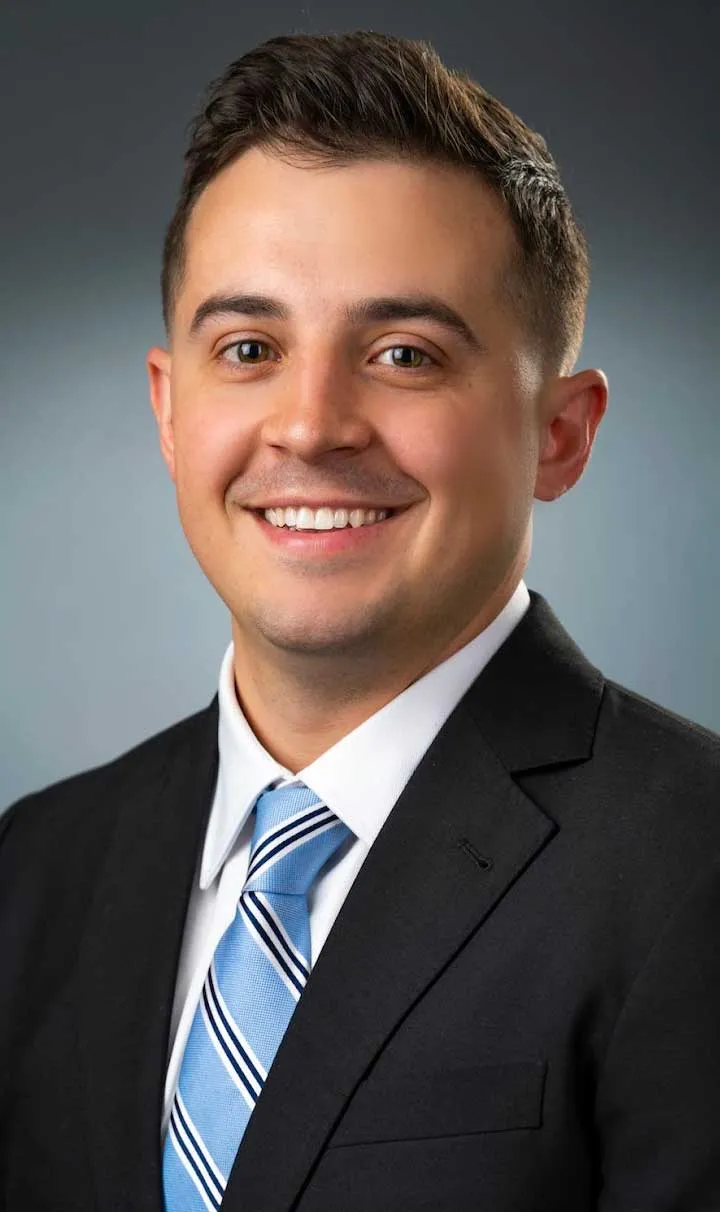











Attorney Daniel J. Larson

Chelsea Car Accident Lawyer

See a doctor soon, because crash injuries can show up later.

Neck, back and head injuries often feel worse a day or two after a crash. Seeing a doctor early gets you treated and puts the injury on the record, which helps your claim later on.

As Seen On:

NBC News
WBZ CBS News Boston logo

Your injury claim needs a Chelsea car accident lawyer before you sign insurance papers.

The first week after a car crash fills up quickly. The other driver’s insurer calls wanting a recorded statement, the body shop wants to know whether to start repairs, the rental company wants a claim number, and your doctor wants you back for a follow-up you cannot afford to miss. Once you hire us, those calls about the claim come to our office instead of your phone, and you can put your time into getting better. Our work draws on a practice focused on injury claims, so we know which of those early requests matter and which can wait.

A car crash usually creates two claims that move at different speeds. The claim for your car, the repairs and the rental tends to settle within weeks. The claim for your injuries should not be rushed, because the full medical picture is rarely clear that soon. Insurers sometimes send paperwork that mixes the two, and signing the wrong release to get your car back can close off the injury claim as well. We keep them apart and read every document before you sign it.

Every case runs under Daniel J. Larson. We get the police report, the photos of both vehicles, the other driver’s insurance details and any video from nearby cameras, and we track your treatment so your medical records show the real extent of your injuries. We also gather proof of the time you have lost from work, because that part of the claim is easy to leave out and hard to rebuild later.

A car case is usually decided by a handful of facts: whose light was green, who was turning, how closely one car was following another, and whether someone was on a phone. We pin those down early and prepare every file as if it will be tried. When an insurer can see that the other side is ready to go to trial, its offers tend to change.

Passengers and people on foot have claims too. If you were riding in a car that crashed, you did nothing to cause it, and you may be able to claim against either driver or both. When more than one vehicle was involved, working out which policies apply, and in what order, is part of what we do.

Throughout, you get straight answers about how long things are taking, what your case is worth and what each offer means. The decisions stay yours, and you make them knowing where you stand.

What our clients say

Jeffrey K.
★★★★★
Attorney Larson or Dan as I refer to him now is a phenomenal lawyer who has turned into a friend. He is knowledgeable, smart, extremely thorough and aggressive. He knows the law and delivers fantastic results in a timely fashion. I consider him a great partner and someone I always want to have in my court/corner when I need legal guidance, and support.
Samantha N.
★★★★★
I can’t say enough wonderful things about Dan and his personal injury firm. I’ve seen firsthand how dedicated, knowledgeable, and compassionate he is. Dan is the type of car accident attorney who truly goes above and beyond—he communicates clearly, fights hard for his clients, and genuinely cares about getting them the best possible results.
Jamal B.
★★★★★
Dan and the whole team at Larson Law were super helpful and informative, they were able to walk me through the whole process of my case and they did everything to make sure that I received proper compensation for the incident that happened to me. And I am glad to say that I am very satisfied with the services provided to me by Larson Law. Great team!
Megan A.
★★★★★
Dan was amazing to work with after my car accident. He kept me updated the whole time, explained everything clearly, and always responded quickly. Great communication and a great outcome—highly recommend!
Johnny M.
★★★★★
Dan helped me with a car accident and it was so easy and he is very communicative and reallly helps you out with all he can! Thanks again Dan!
Sina A.
★★★★★
Dan is the Man. He helped me recover from my car accident and the communication and whole process was smooth sailing. Thank you Dan. God speed.
Lee L.
★★★★★
Attorney Larson of Larson Law Did a great job with my case.. I was in a auto accident in 2024 Attorney Larson took my personal injury case and in 2025 I received a maximum payout. Anytime I had a question or concern he was always available.
Car Accident Lawyer Massachusetts car accident lawyer Brockton car accident lawyer Dorchester car accident lawyer Lowell car accident lawyer New Bedford car accident lawyer Quincy car accident lawyer Worcester car accident lawyer new bedford car accident lawyer malden car accident lawyer haverhill car accident lawyer Chelsea Car Accident Lawyer Fall River car accident lawyer

Your car crash claim stays with one lawyer from the first call to the end.

Proving fault in a car crash often starts with the car's own data.

A claim against the driver who caused a crash is meant to cover the whole of what the crash took from you. That includes the medical care you have already had and the care you will need later, the income you lost while you could not work, any lasting effect on what you can earn, and the pain and limits the injury has left you with. The claim is usually paid through the at-fault driver’s liability insurance, so most of the work goes into proving two things: that the other driver caused the crash, and what your injuries are really worth.

Fault in a car crash usually comes down to a few basic rules of the road. A driver following another car has to leave enough room to stop. A driver turning left has to wait for oncoming traffic to pass. A driver changing lanes or pulling out of a parking space has to make sure the way is clear. A driver has to stop for a red light and keep their eyes on the road rather than on a phone. When one of those rules is broken and someone is hurt, the driver who broke it is responsible for the harm.

Modern cars keep more proof than most people realize. Many record their speed, braking and seat belt use in the seconds before a crash, and that data can confirm or undo an account of what happened. Dash cameras, phone records, signal timing and the damage pattern on both cars add to it. The difficulty is that much of this proof disappears with the car. Once a damaged vehicle is repaired, sold at auction or crushed, its data and its damage go with it, so an early inspection can matter more than anything said at the scene.

Blame is often shared, and insurers work hard to move some of it onto you. The rule is that your award is cut by whatever share of the fault is assigned to you, and you recover nothing only if your share is greater than that of the drivers you are claiming against. So if you are found to be one fifth at fault, you receive four fifths of the full value of the claim. That is why an adjuster may suggest you were speeding, braked too hard or should have seen the other car sooner. Each small point shifts the math in the insurer’s favor, and each one can usually be tested against the physical evidence.

More than one policy can be involved in a single crash. The other driver’s liability coverage is the starting point. If the car belonged to someone else who let a careless or unlicensed driver use it, the owner may share responsibility. If the driver was working at the time, the employer may be responsible too. If the driver had no insurance, or not enough to cover a serious injury, your own policy may include coverage for exactly that situation, and using it does not mean you did anything wrong. A dangerous road defect can sometimes bring in whoever maintains the road, though claims against public bodies have their own notice rules.

The time limit to file a lawsuit is generally three years from the date of the crash. That is the outer edge, not a target. Witnesses move and forget, cameras record over their footage, and the longer a claim waits, the easier it becomes for an insurer to argue that something other than the crash caused your symptoms.

Insurers also watch closely how you are treated. A gap of a few weeks between doctor visits is often used to argue that you had recovered, or that a later problem came from somewhere else. A quick offer may come before your doctors know the full extent of the injury, and a recorded statement given in the first days, while you are still in pain and on medication, can be quoted back to you months later. We handle those contacts for you and make sure your treatment records tell a steady, complete story.

How your medical bills are paid is part of the legal picture as well. If your health plan covered some of your treatment, it will often ask to be paid back out of any recovery. Those repayment claims can take a large share of a settlement if nobody checks them. We confirm what is actually owed, challenge charges that do not belong, and negotiate the amount, so that more of what is recovered stays with you.

Every car case uses these rules in a different mix. In a rear-end crash caught on video, fault may be settled within weeks, and nearly all of the work goes into proving the injury. In a disputed crash at an intersection, the evidence on fault can take months to build. We work out early which kind of case yours is, so the effort goes where it will make the most difference to the result.

Rental cars from the airport add drivers who do not know the streets.

Some of the most serious car crashes in a dense city happen where fast roads meet slow ones. Traffic coming off a bridge or a highway ramp is still moving at highway speed when it reaches the first set of lights, and a driver who is slow to adjust can run into a line of stopped cars. On-ramps have the opposite problem. They are often short, so drivers joining fast traffic have not much room to speed up and merge, and a misjudged gap can turn into a side impact or a chain of rear-end collisions.

Residential streets bring a different set of risks. Cars are parked on both sides, many streets are narrow enough that two vehicles cannot pass without one pulling over, and parked vans and trucks block the view at corners. A driver edging out from a side street often cannot see oncoming traffic until the front of the car is already in the lane. One-way streets add to the confusion, especially for drivers who do not know the area and turn the wrong way.

Industrial blocks keep heavy vehicles moving at all hours. Box trucks and tractor-trailers back into loading docks across the full width of the road, pull out slowly into traffic, and park where they block a lane. Early deliveries happen in the dark, when a truck stretched across a street is hard to see. A car that runs into a trailer in those conditions may involve the truck driver, the company that sent the truck and the business that owns the dock, and each one keeps its own records of who was there and when.

Parking lots are their own category. Crashes there usually happen at low speed, when someone backs out without looking or cuts across the lines, but they can still cause real injuries, especially to people on foot between the cars. Because the lot is private property, the police may not write a full report, and the most useful proof is often the store’s own camera. That footage belongs to the business and is usually kept for only a short time, which is why we ask for it in writing as soon as we are hired.

A city near a major airport also sees a large number of rental cars and drivers who do not know the streets. Visitors following a phone map make sudden turns and stops, and they may be unsure which lane they need. When a rental car is involved, there can be more than one layer of insurance: the driver’s own policy, coverage bought at the rental counter, and the rental company’s policy. Sorting out which applies first can take time, and it is easier with the rental agreement in hand.

Many people here drive for a living, whether that means deliveries, home repairs or carrying passengers. A crash that happens during work can bring the employer’s insurance into the claim, and sometimes more than one kind of coverage at once. If you were working when you were hit, or the other driver was, it is worth telling us early, because it can change who has to pay and how the claim is filed.

The kind of place where a crash happened shapes almost every early step we take. A collision at the bottom of a ramp points us to speed and following distance. One on a narrow residential street points to sightlines and parked vehicles. One in a lot points to cameras that will soon be recorded over. Matching the setting to the right records is where we start, and it is usually the fastest way to show what really happened.

Whiplash can take months of therapy to heal.

The way a car is hit has a lot to do with the injuries inside it. A rear-end crash snaps the head back and forward, which is why neck and upper back injuries are so common after one. A side impact leaves less metal between you and the other car, so ribs, hips, shoulders and the side of the head take the force, often against the door or window. A head-on crash throws the body into the seat belt and the airbag, and knees, wrists and the chest can be hurt by the dashboard and the steering wheel.

The parts of the car that save lives can cause harm of their own. A seat belt can leave deep bruising across the chest and stomach, and in a hard crash that bruising can hide damage underneath. An airbag can burn the skin, break the small bones of the face or hands, or injure the ears. None of this means the safety equipment failed. It means the crash was violent enough to need it, and the injuries it caused are part of the claim.

Neck and back injuries are the ones insurers are quickest to wave away as “just whiplash.” In practice, a strained neck or a damaged disc can mean months of physical therapy, trouble sleeping, and pain every time you turn your head. Some of these injuries heal fully. Others leave a weak spot that flares up for years. We make sure the therapy notes and scans show the real course of your recovery, including the setbacks, so the claim is not judged on the first week alone.

A car injury also changes how you get through the day. Many people cannot drive for a while because they cannot turn to check a blind spot, press the brake hard, or sit for long without pain. That can mean paying for rides to work and to appointments, missing shifts, or relying on family. Some people find they are nervous behind the wheel for months afterward, flinching at every car that brakes in front of them. Those costs and that fear are real, and they belong in the claim.

Putting a value on all of it takes records that are complete and consistent. We collect every medical record and bill, proof of the work and pay you have missed, and, where an injury will last, the opinions of doctors and other specialists about the care and limits ahead. Understanding the way each loss is counted helps you see what a full recovery should include long before an adjuster names a figure. We also record the pain you live with every day and the things you can no longer do, because that part of the claim is often worth the most and argued over the hardest.

While the claim is being built, your job is to follow your treatment and rest. Ours is everything else: the forms, the calls from adjusters, the requests for records, the deadlines and the negotiation. We keep you told about each development in plain terms, and every decision about an offer is yours to make.

The goal is a result that pays for the crash as it actually affected you. For one person that means a few months of therapy and the time they missed at work. For another it means surgery, a change of job, and years of care. We build each case around the person in it, and we prepare it so that if the insurer will not pay what it is worth, it is ready to go before a jury.

Rear-End Collisions

Intersection Crashes

Whiplash and Back Injuries

Serious and Permanent Injuries

Your car crash claim goes from your story, to proof, to payment.

Tell us how the crash happened here

Reach out for a free review and tell us about the crash, your injuries, and the insurer's calls you are getting; we listen closely and explain exactly where your Chelsea car accident claim now stands.

We investigate and value your claim

We gather the Chelsea police report, your medical records, camera footage, and each witness account, then calculate the full value of your losses so no future costs are quietly left out of the demand.

We fight hard for what you are owed

We handle every negotiation for you and, when an insurer refuses to pay fairly, we are fully prepared to file suit and press your Chelsea car accident case toward the full recovery you are truly owed.

We can read the insurer's letters with you on the first call.

Most people who call us have already had a call or a letter from an insurance adjuster. Nothing needs to be answered yet, and your records do not need to be ready. Someone at our firm will listen to what happened, look at any papers you have been sent, and tell you plainly, on the first call, what the claim looks like and what should happen next.

By submitting this form, you acknowledge that doing so does not create an attorney-client relationship. Please do not include confidential information. Contacting us does not obligate you to retain our services.

Our Clients.

Plain answers to car crash questions start with what to do at the scene.

What should I do right after a crash?

Get medical care even if you feel fine, and call the police so an official report is made. Photograph the scene and vehicles, collect names and insurance details, and avoid giving the other driver’s insurer a recorded statement until you have spoken with a lawyer.

Yes. Massachusetts is a no-fault state, so under Section 34M your own personal injury protection pays the first medical bills and part of your lost wages, up to policy limits, no matter who caused the crash. It is meant to get treatment started quickly.

You can pursue a claim for pain and suffering once your case clears the tort threshold in Section 6D — generally when reasonable medical costs pass two thousand dollars, or the injury involves a fracture, permanent disfigurement, or lasting loss of sight or hearing.

You can still recover. Under the comparative negligence rule in Section 85, your compensation is reduced by your share of fault and barred only if you are found more than half responsible. Insurers often exaggerate your role to lower what they owe.

In most Massachusetts car crash cases Section 2A gives you three years from the date of the collision to file a lawsuit. Waiting is risky, because evidence disappears and witness memories fade long before that deadline arrives.

There is no fixed formula. Value depends on the severity of your injuries, the treatment you need now and later, your lost income, and the pain and disruption you experience. We document each of these so the full picture is clear.

You may still have coverage. Uninsured and underinsured motorist protection on your own auto policy can pay for injuries when the at-fault driver has no insurance or too little. We review every policy that could apply to your crash.

You are not required to give the other driver’s insurer a recorded statement, and doing so early often hurts your claim. Adjusters use those words to argue your injuries are minor. Let your lawyer handle that communication for you.

Nothing upfront. We work on a contingency fee, which means you pay no attorney fee unless we recover money for you. The initial case review is free, so there is no financial risk in learning where you stand.

Chelsea collisions frequently cause whiplash, neck and back injuries, concussions and other head trauma, broken bones, and shoulder or knee damage. Some symptoms appear days later, which is why prompt medical care protects both your health and your claim.

Most car accident claims settle without a trial. Even so, we prepare every case as if it will be tried, because a credible willingness to go to court is often what pushes an insurer toward a fair offer.

As soon as you can. Early involvement lets us preserve the police report, secure camera footage, and document your injuries before that evidence is lost. It also stops the insurer from steering you into a quick, low settlement.