
Teen e-bike injuries in Boston have become a pressing worry for parents, as electric bikes surge in popularity among young riders and reports of serious crashes and reckless riding pile up. Communities across the region have described teens riding at high speeds, weaving through traffic, and taking risks that put themselves and others in danger. For a parent, the question is both practical and urgent: what happens if my child is hurt?
This guide is written for Boston parents. It explains why teen e-bike crashes are rising, the injuries young riders face, who may be responsible when a teen is hurt, and what steps to take after a crash. It also explains how a Boston scooter accident lawyer can help protect an injured child rights and pursue compensation for a young person whose future may be at stake.
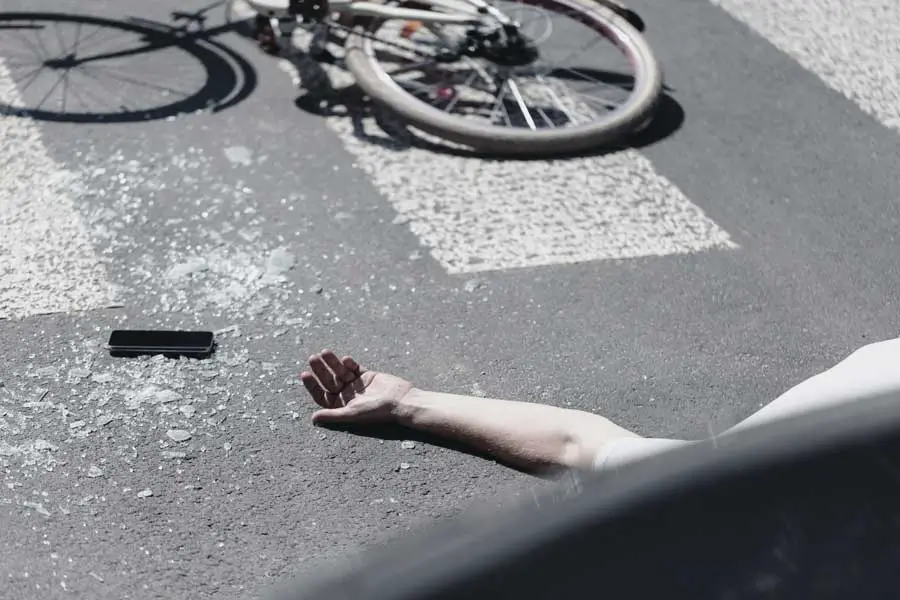
Why teen e-bike injuries are rising
Teen e-bike injuries in Boston are rising because electric bikes have become hugely popular with young riders, and these bikes can reach speeds far higher than a traditional bicycle. More teens on faster bikes, often without much experience or safety gear, means more crashes. The devices give young riders a level of speed and power they may not be prepared to handle safely.
Communities have reported growing concern about reckless teen riding, including high speeds, weaving through traffic, and dangerous stunts. Whatever the cause of a particular crash, the surge in teen e-bike use has driven a real increase in injuries. For parents, understanding this trend is the first step to appreciating the risks their children face and knowing how to respond if a crash occurs.
The community concern about reckless riding
Across Boston and surrounding areas, residents and police have voiced concern about teens riding e-bikes dangerously, describing riders ignoring traffic signals, riding on sidewalks, and even provoking drivers. This behavior has made teen e-bike safety a visible public issue and has fueled calls for tighter rules and more education for young riders.
For parents, this concern is a reason to talk with their children about safe riding, but it is also relevant if a crash occurs. In many cases, a teen is the one seriously hurt, often by a driver who failed to see them. Understanding both the community worry and the reality that teens are frequently the victims helps parents approach the issue with a clear and balanced view.
Why e-bikes are more dangerous than regular bikes
Electric bikes differ from traditional bicycles in ways that raise the risk of teen e-bike injuries. They are heavier, faster, and require more skill to control, especially at higher speeds. A young rider may reach speeds that leave little time to react to hazards, and stopping distances are longer. The combination of speed and inexperience is particularly dangerous.
These characteristics mean that a crash on an e-bike can be far more severe than a fall from a regular bike. The higher speeds increase both the likelihood of a collision and the severity of the resulting injuries. For parents weighing whether and how their teen should ride, understanding that e-bikes are a different and more demanding machine than an ordinary bicycle is important.
Common injuries young riders suffer
Teen e-bike injuries in Boston can be severe because young riders have little protection and often ride without helmets. Common injuries include traumatic brain injuries, facial and dental injuries, fractures, spinal injuries, and road rash. Head injuries are an especially serious concern, given how many teens ride without adequate protective gear.
Because a young person is still developing, a serious injury can have profound and lasting effects on their health, education, and future. These injuries may require surgery, rehabilitation, and long-term care. A claim after a teen e-bike crash should account for this full, long-term impact. Recognizing how serious these injuries can be underscores why parents need to understand their child rights after a crash.
Who may be responsible when a teen is hurt
Responsibility for teen e-bike injuries in Boston depends on how the crash happened. If a negligent driver struck the teen, the driver may be liable, and their auto coverage may respond. If a defective e-bike caused the crash, the manufacturer may bear responsibility. If a dangerous road condition or hazard contributed, another party could be involved.
Identifying who is responsible is the foundation of any claim, and more than one party may share fault. For parents, the key point is that when someone else negligence injured their child, that party can be held accountable. Sorting out responsibility requires examining the facts of the crash, and it determines where compensation may come from for a seriously injured young rider.
When a driver hits a teen rider
Many teen e-bike injuries occur when a driver strikes a young rider, often by failing to see them, turning without looking, or driving distracted. In these cases, the driver may be responsible, and their auto insurance may provide compensation for the teen injuries, similar to a crash involving a pedestrian or cyclist.
A teen struck by a negligent driver has the same right to compensation as anyone else, and being on an e-bike does not erase that right. Establishing the driver fault through evidence is central to the claim. For parents, it is important to know that if a driver caused the crash, the focus belongs on that driver responsibility, not solely on the fact that the child was on an e-bike.
When a defective e-bike is to blame
Some teen e-bike injuries result from a defect in the bike itself, such as failing brakes, a throttle problem, or a structural failure. When a defect causes a crash, the manufacturer or another party in the chain of distribution may bear responsibility under product liability principles, separate from any driver or rider conduct.
Establishing a defect requires investigation, and preserving the e-bike is essential as key evidence. For a teen seriously hurt by a malfunctioning bike, a product-related claim may provide a source of recovery that would otherwise be missed. Parents should be aware that if the bike failed, the crash may not have been their child fault at all, and the maker could be accountable.
What if the teen was partly at fault
Parents often worry that their child may have been partly at fault, especially given concerns about reckless teen riding. Massachusetts follows modified comparative negligence under Massachusetts General Laws chapter 231, section 85, which allows an injured person to recover if they were not more than 50 percent at fault, with recovery reduced by their share of fault.
This means that even if a teen bears some responsibility, they may still be able to recover if another party was more at fault. The law also recognizes that young people may not exercise the same judgment as adults. A careful look at the facts is needed. Parents should not assume their child has no claim simply because the teen may have made a mistake.
The special deadline rules for minors
An important point for parents is that the deadlines to bring a claim can work differently for minors. While Massachusetts generally allows three years for a personal injury claim under Massachusetts General Laws chapter 260, section 2A, the time limit for an injured child is often handled differently because of their age, sometimes giving additional time.
Because these timing rules can be nuanced, and because certain claims still carry short notice requirements, it is important not to assume there is unlimited time. Acting promptly still protects evidence and the child interests. For parents, the key is to get guidance early to understand exactly how the deadlines apply to their child specific situation rather than risk missing an important date.
Why helmets matter so much
Helmets are one of the most important protections against serious teen e-bike injuries, yet many young riders do not wear them. A helmet can dramatically reduce the risk of a catastrophic head injury in a crash. For parents, insisting on helmet use every time their teen rides is one of the single most effective safety steps available.
Beyond safety, consistent helmet use can also matter if a claim arises, by reducing arguments that the rider contributed to their own injuries. But a helmet question does not end a claim, and the focus remains on whoever caused the crash. Encouraging helmet use protects a teen both physically and in terms of their rights should the worst happen.
What parents should do after a crash
If your teen is hurt in a Boston e-bike crash, seek medical care immediately, since head and internal injuries are not always obvious at first and young riders may downplay symptoms. Call the police so there is an official record, document the scene, the e-bike, and any vehicles, and gather the names and information of anyone involved and any witnesses.
Preserve the e-bike, especially if a defect may be involved, and be cautious about giving statements before you understand your child rights. Because these situations can be complex, guidance is valuable. You can learn about our Boston scooter and e-bike accident practice, explore our practice areas, or contact our team.
Documenting the crash for your child
Because responsibility can be contested, documentation is critical after teen e-bike injuries. Photographs of the scene, the e-bike, any vehicles, and your child injuries help establish what happened. Witness accounts carry weight, especially if a driver tries to blame the teen. Nearby camera footage may have captured the crash, but it can be overwritten quickly.
As a parent, you may need to gather this evidence on your child behalf, particularly if they are too injured to do so. Preserving the e-bike and noting the details of any shared or rental device also matters. Strong documentation protects your child ability to establish who was responsible and to pursue fair compensation for their injuries.
The role of the Ride Safe Act
Massachusetts has considered new rules for e-bikes and scooters through proposed legislation often described as the Ride Safe Act. As a proposed measure, it reflects the growing concern about young riders and safety, and could, if enacted, change how these devices are regulated. For now, it is important to understand it as proposed rather than settled law.
The current legal framework governs teen e-bike injuries today, but the attention the proposal has received shows how seriously the safety issues are being treated. Parents should focus on the rules that currently apply while staying aware that the landscape may change. A lawyer can explain how the existing framework applies to a specific crash involving a young rider.
Why a child future must be considered
A crucial difference in teen e-bike injuries is that the victim is young and has their whole life ahead of them. A serious injury can affect a child education, development, and future earning capacity for decades. This means a claim must look beyond immediate medical bills to the long-term impact on the child life and prospects.
Valuing a child claim requires careful attention to future medical needs, potential lasting limitations, and the effect on their ability to work and thrive as an adult. Underestimating these long-term consequences can shortchange a young person for years to come. Parents pursuing a claim for an injured child should ensure that the full, lifelong impact is accounted for.
How a Boston scooter accident lawyer helps
Because teen e-bike injuries can involve serious harm, contested fault, product defects, and special rules for minors, a Boston scooter accident lawyer can be especially valuable to a family. An attorney investigates the crash, identifies every responsible party and source of coverage, preserves evidence like the e-bike, and builds a claim that reflects the full, long-term impact on the child.
Having an advocate lets parents focus on their child recovery while someone who understands these cases handles the legal and insurance work. For a family facing the frightening aftermath of a child serious injury, that support can make a real difference in protecting the child rights and securing the compensation their future may require.
What compensation can cover
A claim for teen e-bike injuries can address the full scope of the harm, including current and future medical expenses, the cost of ongoing care, and the non economic harm of pain, suffering, and the impact on the child life. Where an injury affects a young person future ability to work, that lost earning capacity may also be part of the claim.
The goal is to reflect the true, lifelong impact of the injury on a child, not just the immediate bills. A young person facing a long recovery or permanent effects deserves a claim that accounts for all of it. Understanding what compensation can cover helps parents pursue what their injured child is genuinely owed after a serious crash.
Talking to your teen about e-bike safety
Prevention is the best protection against teen e-bike injuries, and parents play a central role. Talking openly with teens about riding at safe speeds, obeying traffic signals, staying off sidewalks where prohibited, wearing a helmet every time, and avoiding the reckless behavior that has drawn community concern can genuinely reduce the risk of a crash.
Setting clear expectations, and modeling safe behavior, helps young riders internalize good habits. Given how much faster and heavier e-bikes are than regular bikes, these conversations matter more than many parents realize. While no amount of caution eliminates the risk posed by careless drivers, an informed, safety-minded teen is far less likely to be seriously hurt.
When a teen injures someone else
Sometimes the concern is reversed, and a parent worries because their teen on an e-bike injured someone else, such as a pedestrian. These situations raise questions about the family potential responsibility and insurance coverage, which may involve homeowner or renter policies. The circumstances of the crash determine how responsibility is assessed.
Parents in this situation should understand their potential exposure and the coverage that may apply, and seek guidance accordingly. Just as an injured teen has rights, a teen who causes harm raises responsibility questions that are best addressed with proper advice. Understanding both sides of these scenarios helps families navigate the growing issue of teen e-bike crashes responsibly.
Why acting promptly protects your child
Acting promptly after a teen e-bike crash protects both your child health and their claim. Prompt medical care catches injuries, including head injuries, and documents them. Early investigation preserves time-sensitive evidence, including the e-bike and any camera footage. And early advice helps you understand the special rules for minors and avoid mistakes while details are fresh.
Even though minors may have additional time to bring a claim, waiting still risks losing evidence and complicating the case. Most personal injury lawyers offer a free consultation, so there is little downside to reaching out. Treating a teen e-bike crash seriously and acting quickly helps ensure your child rights and future are fully protected.
Do not assume your teen has no claim
Because of concern about reckless teen riding, some parents assume their child must have been at fault and has no claim. But teens are frequently injured by negligent drivers or defective bikes, and even a teen who made a mistake may still recover if another party was more responsible. Assumptions should not replace a careful look at the facts.
Before concluding that nothing can be done, it is worth understanding your child rights and the specific circumstances of the crash. A young person facing serious, lasting injuries deserves that consideration. Getting an honest assessment costs nothing at most firms. Understanding the options ensures that a mistaken assumption does not cost an injured child the recovery they may badly need.
The emotional toll on families
Teen e-bike injuries do not just harm the young rider; they affect the whole family. Parents face fear, stress, and the burden of caring for an injured child, sometimes while managing medical costs and lost time from work. The emotional toll of seeing a child seriously hurt is significant and should not be underestimated.
Understanding that support is available, both practically and legally, can ease some of that burden. A claim can provide the resources a family needs to secure the best care and to focus on their child recovery. Recognizing the family-wide impact of these injuries is part of appreciating why protecting an injured teen rights matters so much.
The bottom line for Boston parents
The bottom line is that teen e-bike injuries in Boston are a real and growing danger, but injured young riders have rights, and families have options. Whether a negligent driver, a defective bike, or another hazard caused the crash, responsibility can be established and compensation pursued, with special attention to the lifelong impact on a young person.
If your child has been hurt in an e-bike crash, do not assume nothing can be done, and do not navigate the aftermath alone. Understanding the risks, preserving evidence, and getting guidance protect both your child recovery and their future. A Boston scooter accident lawyer can help your family pursue the full and fair compensation your child deserves.
FAQs
Who is responsible if my teen is hurt on an e-bike?
It depends on the crash. If a negligent driver hit your teen, the driver may be liable and their auto coverage may apply. If a defective e-bike caused the crash, the manufacturer may be responsible. More than one party may share fault, so the facts must be examined.
Can my teen recover if they were partly at fault?
Possibly. Massachusetts allows an injured person to recover if they were not more than 50 percent at fault, with recovery reduced by their share. Even if your teen made a mistake, they may still recover if another party was more responsible.
Do minors have more time to file a claim?
The deadlines can work differently for minors than the general three-year limit, sometimes giving additional time because of the child age. The rules can be nuanced and some claims carry short notice requirements, so it is important to get guidance early.
Why are e-bike injuries so serious for teens?
E-bikes are faster and heavier than regular bikes, and many teens ride without helmets. Crashes can cause traumatic brain injuries, fractures, and other severe harm. Because a child is still developing, serious injuries can have lifelong effects.
What should I do after my teen e-bike crash?
Seek immediate medical care, call the police, document the scene and the e-bike, gather witnesses, and preserve the bike if a defect may be involved. Be cautious with insurers and consider speaking with a Boston scooter accident lawyer about your child rights.