
Dorchester Uber Accident Lawyer
Insurance issues can follow a serious injury.
After a rideshare crash in Dorchester, coverage depends on the driver’s app status at impact. Larson Law helps riders, pedestrians, and other drivers review insurance and pursue a claim.
- No fee unless we win
- Same-day response
- Free case review
As Seen On:










Rideshare crashes can bring insurance disputes quickly.
Dorchester is one of Boston’s busiest rideshare markets. Uber and Lyft drivers navigate the same corridors that MassDOT data confirms are among the most crash-prone in all of Massachusetts – Columbia Road, Morton Street, Dorchester Avenue, and Gallivan Boulevard. The intersection of Columbia Road and the Southeast Expressway is the most crash-prone intersection in Massachusetts statewide by MassDOT ranking, with 296 crashes recorded over a ten-year period from 2003 to 2013, per NBC Boston and citing MassDOT. Harvard Street and Morton Street recorded 87 crashes between 2014 and 2024 per the Boston Globe’s Vision Zero EMS analysis. When a rideshare driver is navigating these corridors and a crash occurs, the legal question – which insurance applies and who pays – turns entirely on the driver’s app status at the exact moment of impact. That answer requires the rideshare company’s digital trip records, and those records need to be obtained before they are subject to routine deletion.
Larson Law handles rideshare accident claims across Dorchester and all of Boston. If you were hurt in an Uber or Lyft crash in Dorchester and want to understand what coverage applies and what your claim may support, a Dorchester Uber accident lawyer can review your situation at no cost.
Rideshare crashes sit at the intersection of ordinary car accident law and a layer of insurance rules written specifically for companies like Uber and Lyft. Whether you were a passenger in the back seat, a pedestrian in a Dorchester crosswalk, a cyclist, or the driver of another car, the coverage available to you can turn on a detail most people never think about: exactly what the rideshare driver’s app was doing at the moment of impact. That single fact can change which policy applies and how much coverage is on the table, and it is one reason these claims are easy for an insurer to complicate and important to document early.
What makes rideshare cases frustrating for injured people is how quickly a straightforward crash turns into a coverage dispute. The rideshare company may point to the driver’s personal insurer, the personal insurer may point back to the rideshare company, and the injured person is left waiting while bills arrive. That gap is exactly where early legal help matters. By fixing the driver’s app status under Ch. 175 Sec. 228, documenting the injury clearly, and pressing every policy that may respond, the claim can move forward instead of stalling between insurers, and your medical costs can be handled under the no-fault benefits available while the liability side is resolved.
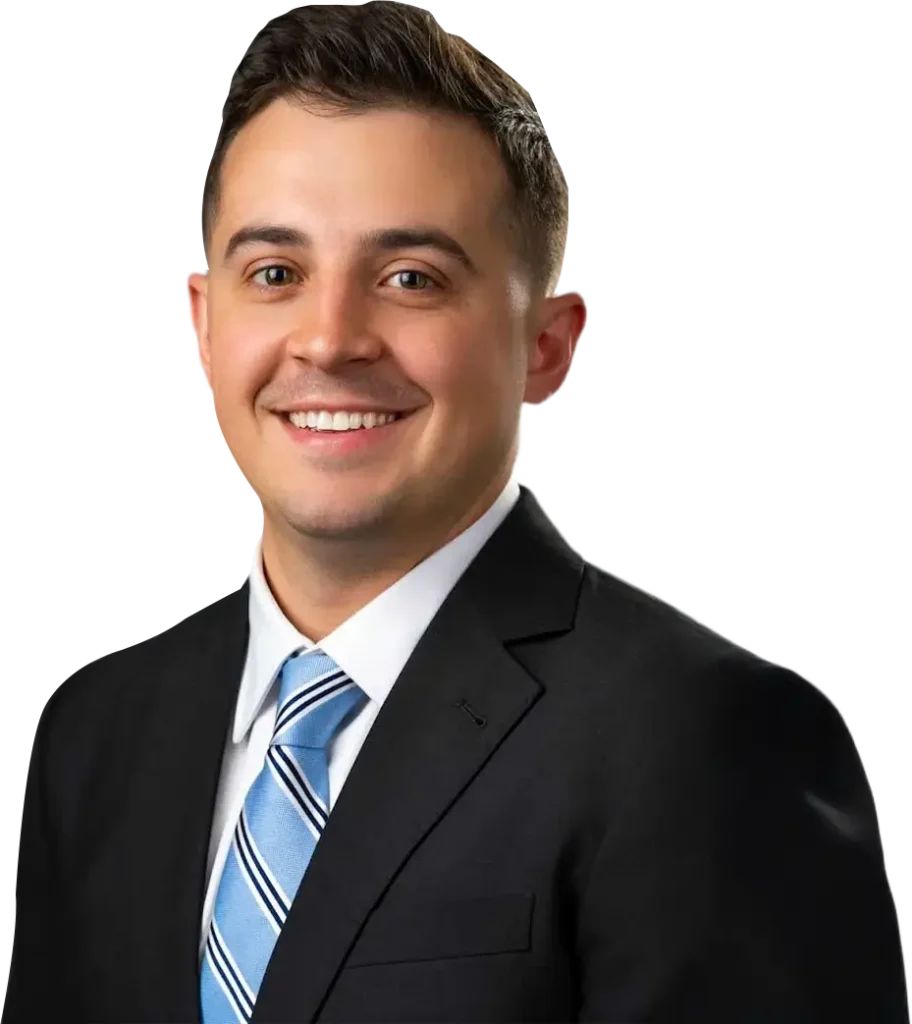
Every case at the firm is handled under the direction of Daniel J. Larson, whose background and credentials are on his attorney profile, and the same approach guides our Boston rideshare accident lawyer team across the city. From the first call you work directly with a lawyer who will explain what your claim involves and what it may be worth.
What our clients say

Uber's insurer is protecting Uber; Larson Law protects you.
- We handle rideshare crash injury claims for injured clients across Dorchester and the surrounding area.
- We deal with the insurers directly so you are not pressured into an early, low settlement.
- We move quickly to preserve the evidence that proves both fault and the full extent of the harm.
- We know the Massachusetts rules that shape these claims and the ways insurers try to limit them.
- We build each claim on medical proof and documentation, not on a rushed call with an adjuster.
- No fee unless we win your case
- No upfront costs
- Direct attorney access throughout
- Free, no-pressure case review


The driver’s phase can affect coverage and how the claim is handled.
Massachusetts regulates rideshare insurance under MGL Ch. 175 Sec. 228. The coverage that applies after any Uber or Lyft crash shifts based on the driver’s app status. On Dorchester’s documented high-crash corridors, where rideshare vehicles interact with heavy traffic at some of the most dangerous intersections in the state, knowing which phase applied is the foundation of every claim.
Phase 1: App off
When the driver’s rideshare app is off, Uber and Lyft provide no coverage. The driver’s personal auto policy is the only applicable coverage. Under MGL Ch. 175 Sec. 228, personal auto insurers are permitted to exclude coverage for losses occurring while a driver is providing TNC services – but when the app is fully off, that exclusion does not apply. Proving the app was off at the moment of impact requires the rideshare company’s own trip records, which need to be requested promptly.
Phase 2: App on, waiting for a ride request
Once the driver activates the app and signals availability, they are providing TNC services under Massachusetts law. The TNC’s contingent coverage becomes available. However, this is where coverage disputes most frequently arise on Dorchester’s roads. The driver’s personal insurer may deny the claim citing the TNC services exclusion under MGL Ch. 175 Sec. 228, while the TNC’s insurer disputes being the primary policy. Rideshare drivers navigating Dorchester Avenue or Columbia Road between rides are in Phase 2 – and a crash during that window often triggers a dispute between two insurers, both looking to limit their exposure.
Phase 3: Ride accepted or passenger on board
From the moment a driver accepts a trip request – whether heading to a pickup or actively transporting a passenger – Massachusetts law requires the TNC to maintain at minimum the statutory per-occurrence coverage including uninsured motorist protection and PIP under MGL Ch. 175 Sec. 228. If you were a passenger in an active Uber trip on Dorchester Avenue, Columbia Road, or any other Dorchester corridor when the crash occurred, Phase 3 coverage applies. This is the most robust layer of rideshare coverage under Massachusetts law.
Dorchester’s documented dangerous intersections – particularly Columbia Road and the Southeast Expressway, Harvard Street and Morton Street, and the Gallivan Boulevard and Dorchester Avenue corridors – are exactly where rideshare crashes are most likely to happen and where the phase determination is most critical. The rideshare company’s timestamped trip records confirm which phase applied. Acting quickly ensures those records are preserved before they are subject to routine deletion.
How Massachusetts regulates rideshare insurance
Massachusetts regulates transportation network company insurance under Ch. 175 Sec. 228, and the coverage available depends on the driver’s status in the app when the crash happened. When the app is off, the driver is treated like any other motorist and only their personal auto policy applies. When the app is on but the driver has not yet accepted a ride, a lower contingent coverage layer applies. Once a ride is accepted and during the trip itself, the rideshare company’s larger commercial coverage is in effect. Because these phases carry very different limits, the rideshare company and its insurer have an incentive to characterize the driver’s status in the way that minimizes their exposure. Establishing the driver’s actual app status at impact, through trip records, timestamps, and the driver’s own account, is often the first and most important step in a Dorchester rideshare claim.
The same Dorchester roads that produce heavy car and truck traffic also carry constant rideshare activity, from pickups outside Ashmont and Fields Corner stations to trips along Dorchester Avenue and Morrissey Boulevard. A crash can injure a rideshare passenger, a person in another vehicle, or a pedestrian or cyclist, and each of them may have a claim. Sorting out which policy responds, and preserving the trip data that fixes the driver’s status, is work that benefits from moving quickly before records are lost.
No two cases are exactly alike. Alongside rideshare crashes, our attorneys also handle car crashes, truck accidents, scooter crashes, and pedestrian injuries, bringing the same focus on full recovery to every client.
We also help injured clients as a Lowell uber accident lawyer.
Whether you were in the Uber or hit by one, a claim may be available.
Passengers injured during an active Dorchester ride
If you were a passenger in an active Uber or Lyft trip in Dorchester when the crash occurred, Phase 3 coverage applies under MGL Ch. 175 Sec. 228. As a passenger you generally did not contribute to causing the crash. Whether the Uber driver’s negligence caused it or another driver hit the vehicle, a claim may be available against the applicable coverage.
Pedestrians hit by rideshare vehicles on Dorchester’s streets
Many of Boston’s most documented pedestrian crash locations are on Dorchester’s corridors – particularly along Columbia Road, Morton Street, and Dorchester Avenue, where roads were built for vehicle throughput per the Boston Globe’s October 2024 investigation. If a rideshare driver struck you while you were on foot in Dorchester, the phase rules determine which coverage applies.
Other drivers hit by Uber or Lyft vehicles in Dorchester
If an Uber or Lyft driver caused a crash with your vehicle on any Dorchester road, a claim may be available against the applicable rideshare insurance. The driver’s trip records confirm the phase and determine which coverage applies. Dorchester’s most documented intersections – Columbia Road, Morton Street, Gallivan Boulevard, and Dorchester Avenue – are the locations where these crashes most frequently occur.
Wrongful death after a fatal Dorchester rideshare crash
When a rideshare accident results in a fatality in Dorchester, the surviving family may have grounds for a wrongful death claim under MGL Ch. 229 Sec. 2. The claim must be filed by the executor or administrator of the estate within three years of the date of death. If a government entity such as an MBTA bus was also involved, the Tort Claims Act presentment deadline under the Massachusetts Tort Claims Act is two years.
No-fault benefits still come first
Even in a rideshare crash, Massachusetts no-fault rules apply, and Personal Injury Protection benefits under Ch. 90 Sec. 34M pay initial medical bills and part of lost wages regardless of fault. For a passenger, PIP may be available through the vehicle they were riding in; for a pedestrian or cyclist struck by a rideshare vehicle, PIP coordination can be more complex. Getting this right early keeps medical bills from falling on the injured person while the larger liability claim, backed by the rideshare company’s commercial coverage under Ch. 175 Sec. 228, is developed.
Deadlines and public vehicles
Most Massachusetts injury claims must be filed within three years under Ch. 260 Sec. 2A, but rideshare trip data can be lost far sooner, which makes early preservation important. If a public entity’s vehicle contributed to the crash, the Massachusetts Tort Claims Act applies and Ch. 258 Sec. 4 requires written presentment to the proper official within a strict window before any lawsuit. Identifying every responsible party, from the rideshare driver and company to any other at-fault motorist or public entity, has to happen early so no deadline is missed.
Why the rideshare insurer is not on your side
The rideshare company’s insurer exists to protect the company, not you. It may dispute the driver’s app status to push the claim into a lower coverage tier, question whether your injuries came from the crash, or make an early offer before the full extent of a serious injury is documented. Larson Law’s role is to establish the driver’s status with trip records, connect your injury to the crash through the medical record, identify every policy that may respond, and hold the insurer to what the evidence shows rather than to whichever version of events costs it the least.
Who can bring a claim after a Dorchester rideshare crash
Rideshare crashes injure people in several different positions, and each may have a claim. A passenger in the Uber or Lyft generally has the clearest path, because they were simply a rider and questions of fault rarely fall on them; their claim usually runs against the at-fault driver and the applicable rideshare or personal coverage. A person in another vehicle struck by a rideshare driver may claim against that driver and, depending on app status, the rideshare company’s coverage under Ch. 175 Sec. 228. Pedestrians and cyclists, common on Dorchester’s busy corridors and near transit stations, may be seriously injured by a turning or distracted rideshare driver and can pursue the same layers of coverage. In each situation the analysis starts with the same questions: who was at fault, what was the driver’s app status, and which policies respond.
Because the answers depend on records the rideshare company controls, the practical value of acting early is hard to overstate. Trip logs, GPS timestamps, and app-status data establish which coverage tier applies, and dashcam or nearby business footage can show how the crash happened. Medical records created promptly after the crash tie your injuries to the collision and make it harder for an insurer to argue the injury came from something else. Larson Law gathers this evidence, coordinates the no-fault benefits available under Ch. 90 Sec. 34M with your health coverage, and builds the claim around what the records actually show, so an injured Dorchester rider, driver, or pedestrian is measured by the true extent of the injury rather than by an insurer’s first low estimate.
What a claim may cover.
The scope of what your claim may support depends on your injuries, all applicable insurance policies, and the facts of the crash. We work through every applicable category so nothing is overlooked.
What a Dorchester rideshare claim may cover follows the same categories as any Massachusetts injury claim, though the insurance layers differ. Economic damages include past and future medical treatment, lost wages, and reduced earning capacity when an injury keeps you out of work. Non-economic damages address the physical pain and the disruption a serious injury brings to daily life, and in a motor vehicle case they become available once the tort threshold under Ch. 231 Sec. 6D is met. As a rideshare passenger you were not driving, so arguments that you shared fault are uncommon, but if you were injured as another driver the modified comparative negligence rule under Ch. 231 Sec. 85 can apply, reducing recovery by your share of fault. Where a rideshare crash causes a death, the claim proceeds as a wrongful death action under Ch. 229 Sec. 2, brought by the estate. The strength of the medical record and the trip evidence is what ultimately determines the range a claim can support.
What makes rideshare cases distinctive is not the injury but the insurance, and getting the coverage question right is most of the battle. The same crash can be worth very different amounts depending on whether a $1 million commercial policy or a small personal policy applies, and the difference turns entirely on the driver’s status and the trip data. That is why a careful accounting of every present and future cost, matched to the right policy, decides these claims. Our Boston personal injury attorney office handles these matters across the city.
Medical Bills and Treatment Costs
Lost Wages and Earning Capacity
Wrongful Death Claims
Pain and Suffering
After a Dorchester Uber crash, three steps protect your claim.
Get medical care and note the trip details
Get medical care right away, note the trip status, location, vehicles, injuries, and app details. Avoid recorded statements before legal review starts today.
Contact a lawyer before the trip data is gone
Contact us before trip records are deleted. We review the driver phase, available coverage, timing, and evidence that should be requested early now.
We handle the insurance dispute
We obtain trip records, identify coverage, deal with insurers, manage deadlines, and keep the claim focused on the facts and your recovery throughout.
- 5.0 stars out of 100+ reviews
Speak with a Dorchester Uber accident lawyer. No cost, no pressure.
Rideshare accident claims in Dorchester involve layered insurance structures, coverage disputes that move quickly, and trip data that needs to be preserved fast. Tell us what happened on which Dorchester road and we will explain which phase of coverage applies, who may be responsible, and what your claim may support.
By submitting this form, you acknowledge that doing so does not create an attorney-client relationship. Please do not include confidential information. Contacting us does not obligate you to retain our services.
Our Clients.


Our Practice Areas.
We handle rideshare accidents, car accidents, wrongful death, and more across Dorchester, Boston, and all of Massachusetts. For statewide Uber and Lyft accident representation, see our Massachusetts Uber accident attorney page.
We help injured clients well beyond Dorchester, including in Quincy, Worcester, Cambridge, and Brockton. Not sure where your case belongs? Our Boston personal injury team can point you in the right direction.
Uber accident questions from Dorchester riders, pedestrians, and drivers.
I was a passenger in an Uber in Dorchester when we crashed. What coverage applies?
As an Uber passenger you are almost always covered. During a ride, the rideshare company’s $1 million commercial policy applies to injuries caused by the Uber driver or another driver, and your own coverage may add to it. Passengers rarely face a coverage gap, which is one reason these claims are worth pursuing fully.
My Uber crash happened at Columbia Road and the Southeast Expressway. Does the intersection's crash history matter?
It can help. A documented crash history at a junction like Columbia Road and the Southeast Expressway can corroborate how your collision happened and reinforce a known hazard. We pair that public record with the trip data, the police report, and any camera footage to build the claim on evidence.
The Uber driver says the app was off when the crash happened. How do I verify that?
It is verifiable, and it matters. Whether the app was on, and whether the driver was waiting, heading to a pickup, or mid-ride, determines which insurance applies. The rideshare company holds trip and log data showing the driver’s exact status, and we demand those records so the driver’s account cannot quietly shrink your coverage.
How does Massachusetts no-fault PIP apply after a Dorchester Uber accident?
Massachusetts is a no-fault state, so PIP pays your first medical bills and part of your lost wages regardless of fault, usually up to $8,000. A serious injury lets you pursue the at-fault party and the commercial policy for the full harm beyond no-fault.
The Uber driver's personal insurance denied my claim. What now?
That is common and usually not the end. A personal auto policy typically excludes crashes that happen while driving for a rideshare, but that is exactly when the company’s commercial coverage takes over. A denial from the personal insurer often points to which policy actually applies rather than defeating your claim.
An Uber driver hit me while I was walking on Morton Street in Dorchester. Do I have a claim?
Yes. A pedestrian struck by an Uber driver has a claim, and the coverage depends on the driver’s status at the moment, waiting, en route, or mid-ride. These cases often involve serious, sometimes catastrophic injuries, and we identify every policy that can compensate the harm and lasting disruption.
Can I sue Uber or Lyft directly after a Dorchester crash?
Sometimes, but it is complicated. Rideshare companies classify drivers as independent contractors to limit direct liability, so most claims proceed against the driver and the company’s insurance rather than the company itself. Their large commercial policy is usually the real source of recovery, which is why identifying the right coverage matters more than the corporate name.
What if I was driving for Uber in Dorchester when another driver hit me?
Then the coverage depends on your status. If you were logged on or carrying a passenger, the rideshare company’s coverage generally applies to injuries another driver caused, layered with uninsured-motorist protection. If the other driver was at fault, you also have a claim against them. We sort out which policies stack.
How long do I have to file an Uber accident claim in Dorchester?
Generally three years from the date of the crash, with a much shorter notice deadline if a government vehicle was involved. Rideshare trip data and records can disappear far sooner, so the practical deadline for preserving the evidence is measured in days. Acting early protects both.
Where are Dorchester Uber accident cases filed?
Most Dorchester rideshare cases are handled in the Suffolk County courts, with larger claims in Superior Court and smaller ones in the Boston Municipal Court’s Dorchester Division. Many settle with the insurer without a filing. Where a case belongs depends on its size and complexity.
Does Larson Law handle Uber accident cases across Boston beyond Dorchester?
Yes. We represent rideshare-accident clients across Boston and Massachusetts, not only in Dorchester, and the same approach applies wherever the crash happened. Distance from Dorchester does not change the strength of your claim or the coverage available to it.
What evidence is most important to preserve after a Dorchester Uber accident?
The trip record is the single most important piece: it shows the driver’s status and which insurance applies. Beyond that, preserve the police report, medical records, photographs of the scene and vehicles, the names of witnesses, and any dashcam or nearby camera footage, before the rideshare company’s data is overwritten.
Results Disclaimer: Past case results, settlements, and verdicts mentioned on this website do not guarantee or predict a similar outcome in any future case. Every case is unique and depends on its own facts and legal issues.