
Most people who are injured at work assume their only option is workers’ compensation. File a claim, get benefits, move on. In many cases, that is exactly how it works – and the system does what it was designed to do. But in a meaningful number of workplace injury situations, a separate personal injury claim against a third party is available alongside the workers’ compensation claim, and that distinction can make a very large difference in what the injured person ultimately recovers.
Understanding when a workplace injury stays inside the workers’ compensation system and when it opens into something broader requires knowing how the two systems relate to each other under Massachusetts law – and where the boundaries actually sit.
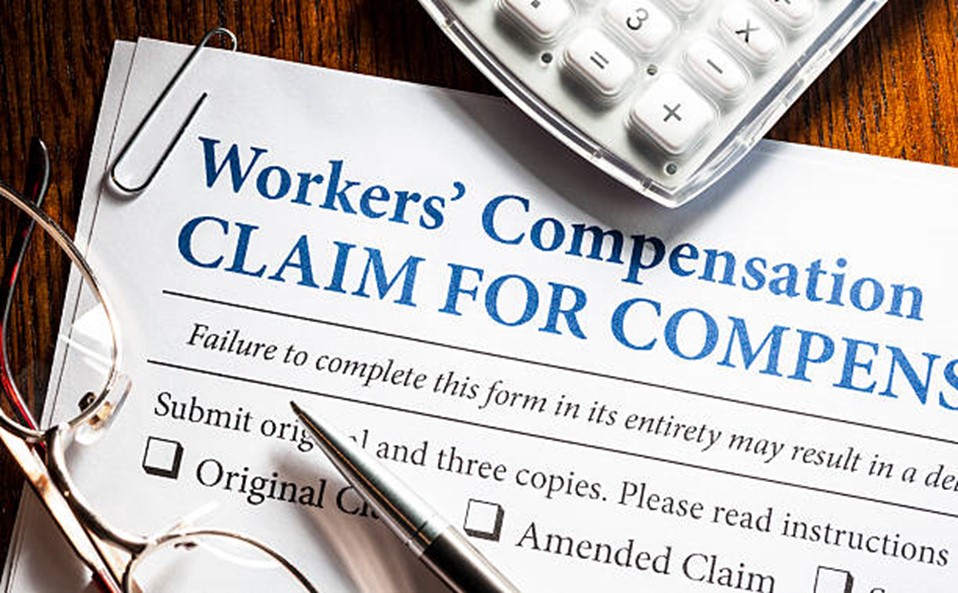
The Workers’ Compensation System and the Exclusive Remedy Rule
Massachusetts operates under the Workers’ Compensation Act, codified in Massachusetts General Laws Chapter 152. The system is a no-fault arrangement: an employee who is injured in the course of employment is entitled to benefits regardless of who was at fault for the injury. In exchange, the employer is shielded from personal injury lawsuits.
That shield is codified in Massachusetts General Laws Chapter 152, Section 24. By accepting employment, an employee is held to have waived their right to sue their employer for personal injuries sustained at work. The only way to preserve the right to sue is to provide written notice to the employer at the time of hiring that you are reserving your common law rights. In practice, this is almost never done.
The result is what Massachusetts law calls the exclusive remedy rule: for most workplace injuries, workers’ compensation is the only legal avenue against the employer. The injured employee cannot file a civil negligence lawsuit against their employer, regardless of how serious the injury or how avoidable the accident.
What workers’ compensation provides in exchange is structured but limited. It covers reasonable and necessary medical expenses related to the injury. It provides wage replacement benefits – at a rate set by statute, which does not represent full wage replacement. It provides vocational rehabilitation in cases of serious and permanent injury. What it does not provide, under any circumstances, is compensation for pain and suffering. That category of damages does not exist within the workers’ compensation system in Massachusetts.
One Important Exception to the Exclusive Remedy Rule
The exclusive remedy rule is not absolute. Massachusetts General Laws Chapter 152, Section 28 provides that if an employee is injured by reason of the serious and willful misconduct of an employer, the compensation amounts are doubled. This is not a pathway to a civil lawsuit – it operates within the workers’ compensation system. The statute does not create a tort claim against the employer; it increases the benefits available through the compensation system when employer conduct rises to the level of serious and willful misconduct.
Massachusetts courts have interpreted this provision narrowly. Willful misconduct in this context requires more than negligence, even serious negligence. It requires conduct that amounts to a deliberate disregard of a known risk – a high threshold that is not met by most workplace accidents, even those caused by employer failures.
If the employer has failed to carry workers’ compensation insurance – as required by Massachusetts law – the employee may file a civil personal injury lawsuit against that employer for the full range of tort damages. That is a distinct exception that removes the employer’s immunity entirely.
The Question That Changes Everything: Was Someone Other Than Your Employer at Fault?
Here is where a workplace injury can become a personal injury case. Massachusetts General Laws Chapter 152, Section 15 expressly provides that nothing in the workers’ compensation statutes bars an action at law for damages against any person other than the employer. The exclusive remedy rule protects the employer. It does not protect everyone else.
If a third party – someone other than your employer and your employer’s employees – caused or contributed to your workplace injury, you may have both a workers’ compensation claim and a civil personal injury claim running simultaneously. These are separate proceedings, not alternatives. You do not have to choose between them.
The civil personal injury claim against the third party is a standard negligence action. Unlike workers’ compensation, it can include pain and suffering, lost wages and earning capacity, future medical costs, and other damages that the compensation system does not cover. The presence of a workers’ compensation claim does not cap or limit what the third-party personal injury case can recover – they are governed by different legal frameworks.
Who Qualifies as a Third Party
The third-party category is broader than people often assume. Common examples that arise in Massachusetts workplace injury cases include:
A negligent driver who causes a crash while an employee is working. Delivery drivers, field technicians, sales representatives, and anyone else whose job involves operating a vehicle is potentially on the road on behalf of their employer when they are hit by another driver. That at-fault driver – and that driver’s insurer – is a third party against whom a civil claim can proceed alongside the workers’ compensation claim.
Property owners and premises occupiers. When an employee is injured on a property that is not owned or controlled by their employer – a client’s site, a vendor’s facility, a building where the employer is a tenant – the property owner may bear liability for dangerous conditions that caused the injury. This is particularly relevant in construction, maintenance, and service industry work where employees regularly work on others’ property.
Contractors and subcontractors. Construction sites in Massachusetts typically involve multiple employers and contractors working in the same space under different contractual relationships. A worker employed by one subcontractor who is injured due to the negligence of a different subcontractor – or due to unsafe conditions created by the general contractor – may have a third-party claim against that party, separate from any workers’ compensation benefits received through their own employer.
Equipment and product manufacturers. If defective machinery, a faulty tool, or a dangerous piece of equipment caused the injury, the manufacturer or distributor of that product may bear product liability, regardless of who provided the equipment at the worksite. The employer’s use of the equipment does not shield the manufacturer.
Co-employees acting intentionally. Under Massachusetts General Laws Chapter 152, Sections 23 and 24, a co-employee who negligently injures a fellow worker is generally immune from civil suit in the same way as the employer. However, a co-employee who commits an intentional tort against another employee is not protected by that immunity. An intentional act that causes injury – as distinguished from negligent conduct in the course of work – can give rise to a civil claim against that individual.
The Workers’ Compensation Lien – What Happens When You Recover From Both
Pursuing a third-party personal injury claim while receiving workers’ compensation benefits introduces a financial mechanism that many injured workers do not anticipate: the workers’ compensation lien.
Under Massachusetts General Laws Chapter 152, Section 15, when an injured employee recovers from a third party, the workers’ compensation insurer has a right to reimbursement from the proceeds of that recovery. Two categories are expressly protected from the lien. Under Curry v. Great American Insurance Company, 80 Mass. App. Ct. 592 (2011), the lien does not attach to portions of the third-party settlement allocated for the employee’s conscious pain and suffering, or for loss of consortium. Those categories of damages – which workers’ compensation does not cover – remain with the injured employee and are not subject to reimbursement.
How a third-party settlement is structured when a workers’ compensation lien exists has real financial consequences for the injured person. An attorney handling both proceedings simultaneously can approach that allocation in a way that protects as much of the recovery as possible.
The insurer also has the right under Section 15 to initiate the third-party action itself if the employee does not do so within seven months of the injury. This is an additional reason to act on a third-party claim without unnecessary delay.
What Workers’ Compensation Does Not Cover
Even in cases where no third-party claim exists, understanding the limits of what workers’ compensation actually provides matters. Workers’ compensation in Massachusetts covers medical treatment and a portion of lost wages. It does not cover:
Pain and suffering – at all, regardless of the severity of the injury. This is a categorical exclusion from the workers’ compensation system in Massachusetts. A permanently disabled worker who experiences chronic pain and lasting reduction in quality of life receives no compensation for that component of their loss through workers’ compensation.
Full wage replacement. Workers’ compensation wage replacement benefits are calculated as a percentage of the employee’s average pre-injury weekly wage, subject to statutory limits. They do not represent complete income replacement, and the gap between what the system pays and what the employee actually earned can be significant in cases involving higher earners.
Loss of enjoyment of life, emotional distress, or any other non-economic damages that are recoverable in a personal injury case.
Future earning capacity beyond what the statutory benefits provide.
Where a third-party claim is available, it is the mechanism through which these categories of loss can be compensated. That is the core reason why identifying potential third-party liability matters, even when workers’ compensation benefits are already flowing.
Statute of Limitations for Third-Party Workplace Injury Claims
A third-party personal injury claim arising from a workplace injury is subject to the same statute of limitations that applies to personal injury claims generally – three years from the date of the injury, under Massachusetts General Laws Chapter 260, Section 2A.
Workers’ compensation claims carry their own deadline. Under Massachusetts General Laws Chapter 152, Section 41, a claim for benefits must be filed within four years from the date of the injury or from when the employee first became aware of the connection between their disability and their employment. These are separate deadlines for separate proceedings, and missing either one has distinct consequences.
If You Were Injured at Work and a Third Party May Have Been Involved
The question of whether a third party is liable for a workplace injury is not always apparent immediately after an accident. Construction sites with multiple contractors, vehicle accidents in the course of work, and injuries involving machinery or equipment are common scenarios where third-party liability deserves careful analysis. So do injuries that occur on property not controlled by the employer.
Workers’ compensation and a third-party personal injury claim can coexist. The workers’ compensation system does not preclude the civil claim, and the civil claim does not disqualify the workers’ compensation benefits. Understanding how they interact – particularly with respect to the lien – requires legal guidance that accounts for both proceedings.
If you were injured at work in Massachusetts and are uncertain whether a third party may bear responsibility for your injuries, speaking with a personal injury attorney is a practical early step. The analysis of who may be liable, and what claims are available, is more complex than the workplace injury context might initially suggest.
FAQs
Can I sue my employer if I was injured at work in Massachusetts?
In most cases, no. The exclusive remedy rule under Massachusetts General Laws Chapter 152 means that workers’ compensation is generally the only avenue against your employer for a workplace injury. There are narrow exceptions, including when the employer lacks workers’ compensation insurance. Whether any exception applies in your situation depends on the specific facts.
What happens if the front driver stopped suddenly – does that affect fault?
Evidence of a sudden or unexpected stop can be raised to rebut the rear-driver fault presumption in Massachusetts. Courts are careful about this exception, and the strength of the argument depends on what the evidence actually shows – including whether the rear driver was maintaining a reasonable following distance. What a sudden-stop argument is worth in a specific case depends on the facts and how they are documented.
Can I file a personal injury lawsuit and receive workers’ compensation at the same time?
Yes, if a third party – someone other than your employer and your employer’s employees – caused or contributed to your injury. The two claims are separate and can proceed simultaneously. Workers’ compensation covers what it covers regardless of the third-party claim. The third-party civil action can recover damages the compensation system does not provide, including pain and suffering.
Does workers’ compensation cover pain and suffering in Massachusetts?
No. Pain and suffering is categorically excluded from workers’ compensation benefits in Massachusetts, regardless of how serious the injury is. If pain and suffering damages are available at all, they come from a third-party personal injury claim – not from the workers’ compensation system.
What happens to my workers’ compensation benefits if I settle a third-party claim?
The workers’ compensation insurer has a lien on your third-party recovery under MGL c. 152, § 15. It is entitled to reimbursement of what it paid in benefits from the proceeds of the settlement. However, portions of the recovery allocated to pain and suffering and loss of consortium are protected from the lien under Massachusetts case law. How a settlement is structured in this context has real financial consequences and is worth doing with legal guidance.